
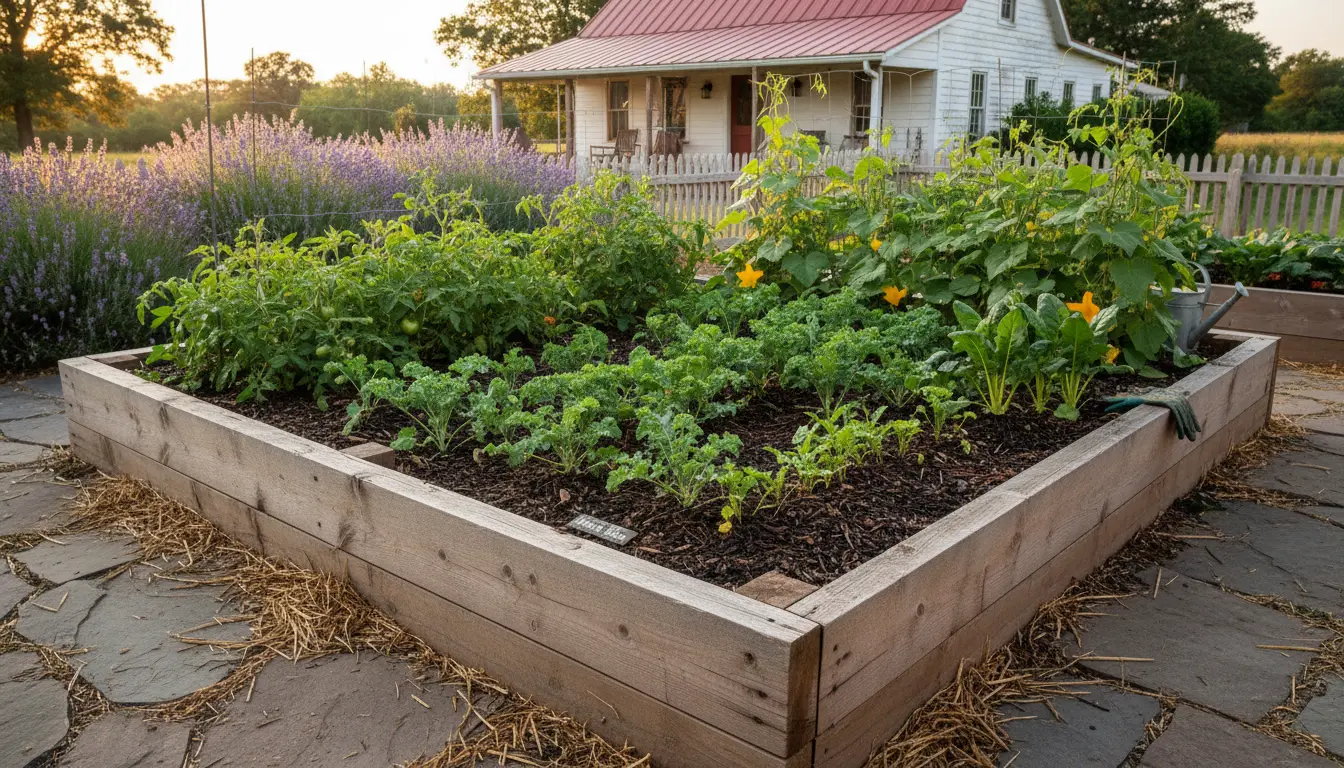
Starting a home vegetable garden can be simple and rewarding. This guide gives clear, practical steps to plan, plant, and maintain a productive garden, whether you have a yard or a small balcony.
Plan Your Home Vegetable Garden
Begin by defining goals and constraints. Decide how much time you can commit and what you want to grow.
Sketch a small layout that shows beds, containers, and paths. Planning helps avoid overcrowding and reduces maintenance.
Key planning steps for a home vegetable garden
- Decide garden size based on available space and time.
- List vegetables you and your family eat regularly.
- Choose between in-ground beds, raised beds, or containers.
- Check your local last frost date to schedule planting.
Choose Location and Soil for a Home Vegetable Garden
Sunlight is the most important factor. Most vegetables need at least 6 hours of direct sun per day.
Select a spot with good drainage and easy access to water. Avoid low areas that stay wet after rain.
Soil preparation steps
Test your soil or assume you need improvement if it’s compacted or sandy. Good soil structure supports root growth and water retention.
- Add 3 to 4 inches of compost and mix into the top 6–8 inches of soil.
- Use a balanced organic fertilizer if a soil test shows nutrient deficiencies.
- Consider raised beds filled with a mix of topsoil, compost, and coarse sand for better control.
Select Vegetables for a Home Vegetable Garden
Start with easy, high-yield vegetables that match your climate. Fast results keep beginners motivated.
Recommended starter vegetables:
- Leafy greens: lettuce, spinach, arugula
- Roots: radishes, carrots
- Fruiting crops: cherry tomatoes, bush beans, peppers
- Herbs: basil, parsley, chives
Companion planting and space-saving
Use companion planting to maximize yields in small spaces. For example, plant basil near tomatoes to improve flavor and repel pests.
Vertical supports for peas and tomatoes increase yield per square foot.
Planting and Care in Your Home Vegetable Garden
Follow seed packet or transplant instructions closely. Plant depth and spacing affect germination and plant health.
Watering is critical: give deep, infrequent waterings rather than light daily sprinkles.
Water and mulch tips
- Water early in the morning to reduce evaporation and leaf diseases.
- Apply 2–3 inches of organic mulch to conserve moisture and suppress weeds.
- Use drip irrigation or soaker hoses to keep foliage dry and reduce disease risk.
Pest Control and Maintenance for a Home Vegetable Garden
Inspect plants weekly for signs of pests or disease. Early detection makes control easier and less chemical-dependent.
Integrated pest management (IPM) emphasizes prevention and low-toxicity controls.
Practical pest control methods
- Remove affected leaves and physically remove large pests.
- Use row covers to protect seedlings from insects and birds.
- Introduce beneficial insects like ladybugs and lacewings for aphid control.
- Use organic sprays such as insecticidal soap or neem oil when needed.
Harvesting and Seasonal Tips for a Home Vegetable Garden
Harvest regularly to encourage continued production. Pick vegetables at peak ripeness for best flavor and nutrition.
Plan succession planting for continuous harvest: sow small batches of lettuce or radishes every two weeks.
End-of-season care
After the last harvest, remove spent plants and add them to the compost pile. Cover beds with a winter mulch or green manure crop to restore soil.
Small Case Study: Balcony Tomato Success
Example: Sara, a city renter, converted a 6-foot balcony into a productive home vegetable garden. She used two 18-inch raised containers and one large trough.
Sara planted two determinate cherry tomato plants, basil, and a small pepper. With daily morning watering and biweekly compost tea, she harvested 40 pounds of tomatoes in one season.
Key actions that helped:
- Choosing compact varieties suited to containers
- Using a commercial container mix with added compost
- Installing a simple drip line on a timer for consistent watering
Quick Checklist to Start Your Home Vegetable Garden
- Choose a sunny location and test or amend soil.
- Decide on beds or containers based on space and budget.
- Select 4–6 easy crops for your first season.
- Plant at the right time for your climate and water deeply.
- Inspect plants weekly and use organic pest controls as needed.
Starting a home vegetable garden is a manageable project when you plan thoughtfully and use simple practices. Small, steady efforts produce the best results for new gardeners.