
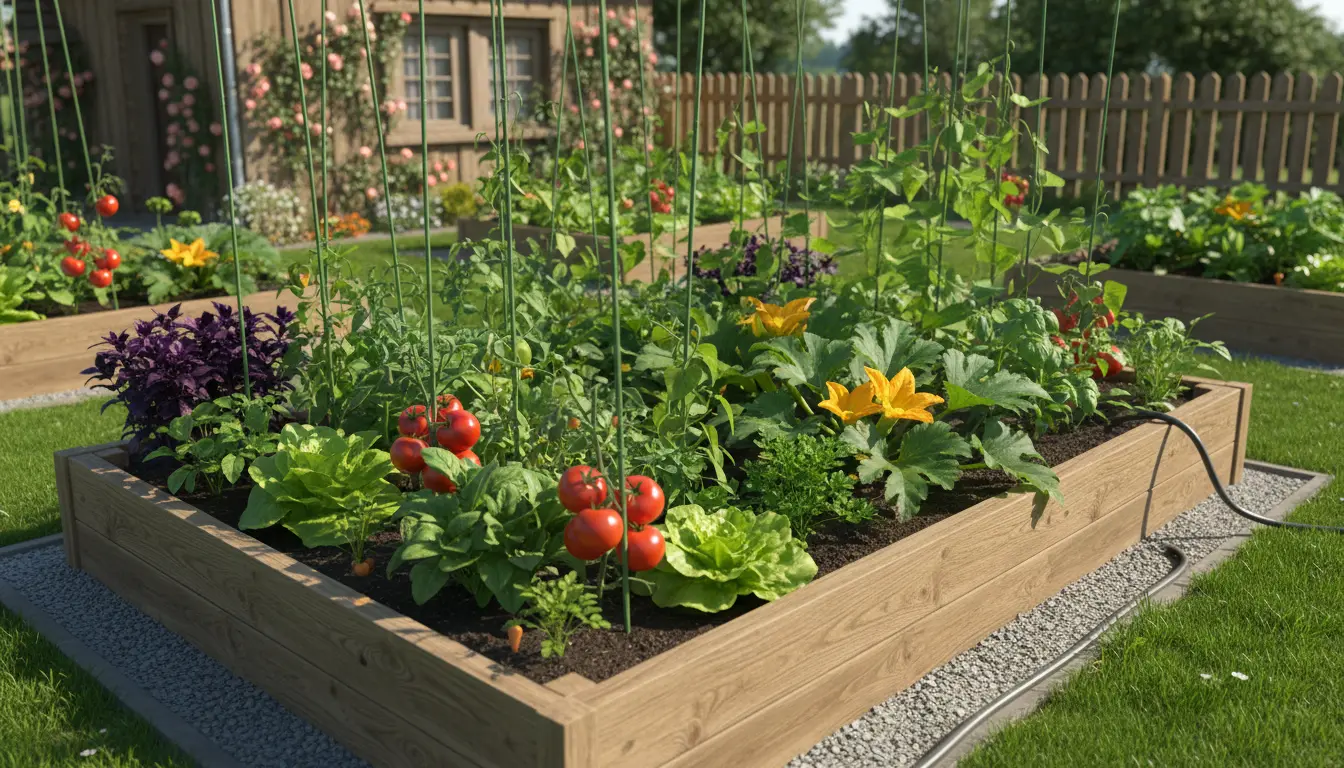
How to Start a Vegetable Garden: First Steps
Starting a vegetable garden is practical and rewarding. This guide gives clear, step-by-step instructions you can follow in a weekend or over a season.
Choose Where to Start a Vegetable Garden
Location determines how well your vegetables will grow. Pick a spot that gets at least six hours of direct sunlight a day for most vegetables.

Consider access to water and how close the bed is to your kitchen. Convenience increases the chance you will tend the garden regularly.
Sunlight and Microclimates
Observe the chosen area through the day to note sun patterns and shade. South- or west-facing sites usually give the best light in temperate climates.
Look for microclimates such as walls that reflect heat or low spots that hold cold air. Use these to your advantage for sensitive plants.
Prepare Soil to Start a Vegetable Garden
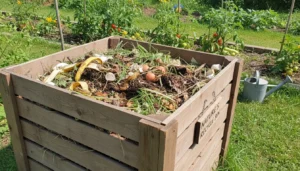
Good soil is the foundation of a productive garden. Most vegetables prefer loose, well-draining soil rich in organic matter.
Test your soil with a simple kit to check pH and nutrient levels. Aim for a pH near 6.0 to 7.0 for most vegetables.
Soil Improvement Steps
- Add 2–4 inches of compost and mix into the top 8–12 inches of soil.
- Use aged manure or leaf mold for added nutrients and structure.
- For heavy clay, add coarse sand and organic matter to improve drainage.
- For sandy soil, increase organic content to retain moisture.
Decide Between Seeds and Seedlings
Seeds are cheaper and offer more variety, while seedlings (starts) give a head start and faster harvests. Choose based on your schedule and patience.
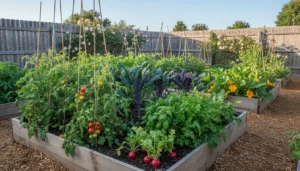
Begin with easy crops: lettuce, radishes, beans, tomatoes, and herbs are forgiving for beginners.
Planting Basics
- Follow packet spacing and depth instructions for seeds.
- Plant seedlings at the same depth they grew in their pots, except tomatoes which benefit from deeper planting.
- Stagger plantings (succession sowing) every 2–3 weeks for continuous harvests.
Watering and Mulching When You Start a Vegetable Garden
Consistent moisture is crucial, especially during germination and fruiting. Water deeply and less often to encourage strong root growth.
Apply a 2–3 inch layer of organic mulch to retain moisture, suppress weeds, and moderate soil temperature.
Watering Tips
- Water in the morning to reduce disease risk.
- Use drip lines or soaker hoses for efficient watering.
- Avoid wetting foliage to limit fungal problems.
Maintenance: Weeding, Feeding, and Pest Control
Regular maintenance keeps your garden productive. Spend 15–30 minutes several times a week during the growing season to check plants and remove weeds.
Feed plants with balanced organic fertilizer according to crop needs. Heavy feeders like tomatoes benefit from additional feeding during the season.
Simple Pest Controls
- Handpick larger pests like caterpillars and beetles.
- Use floating row covers to protect seedlings from insects.
- Encourage beneficial insects by planting flowers and herbs nearby.
Planting marigolds near tomatoes can help repel some soil nematodes and insect pests, reducing disease pressure and improving yields.
Harvesting and Crop Rotation
Harvest vegetables at their peak for best flavor and to encourage more production. Regular picking of greens and beans prolongs the harvest period.
Rotate crops each year to different beds to reduce disease and nutrient depletion. Move heavy feeders from one bed to another on a three-year rotation plan.
Season Extension
Use cold frames, cloches, or row covers to extend the growing season in spring and fall. This gives you more harvest weeks without big investments.
Case Study: Small Backyard Start
Maria converted a 10-by-4 foot patch next to her patio into a raised bed. She amended the soil with compost and planted tomatoes, lettuce, bush beans, and basil.
Within three months she harvested continuous salads and two dozen cherry tomatoes per week at peak. Her key actions were regular watering, mulching, and rotating beans with lettuce the next season.
Quick Checklist to Start a Vegetable Garden
- Choose a sunny spot with good access to water.
- Test and improve soil with compost and pH adjustment if needed.
- Decide seeds vs. seedlings and follow planting depths.
- Mulch and water deeply; use efficient irrigation if possible.
- Monitor pests, feed appropriately, and rotate crops yearly.
Starting a vegetable garden is a series of small, manageable tasks. Follow these practical steps and adjust based on your local climate and results to build a productive, low-stress garden over time.