
What is a Personal Budget Plan?
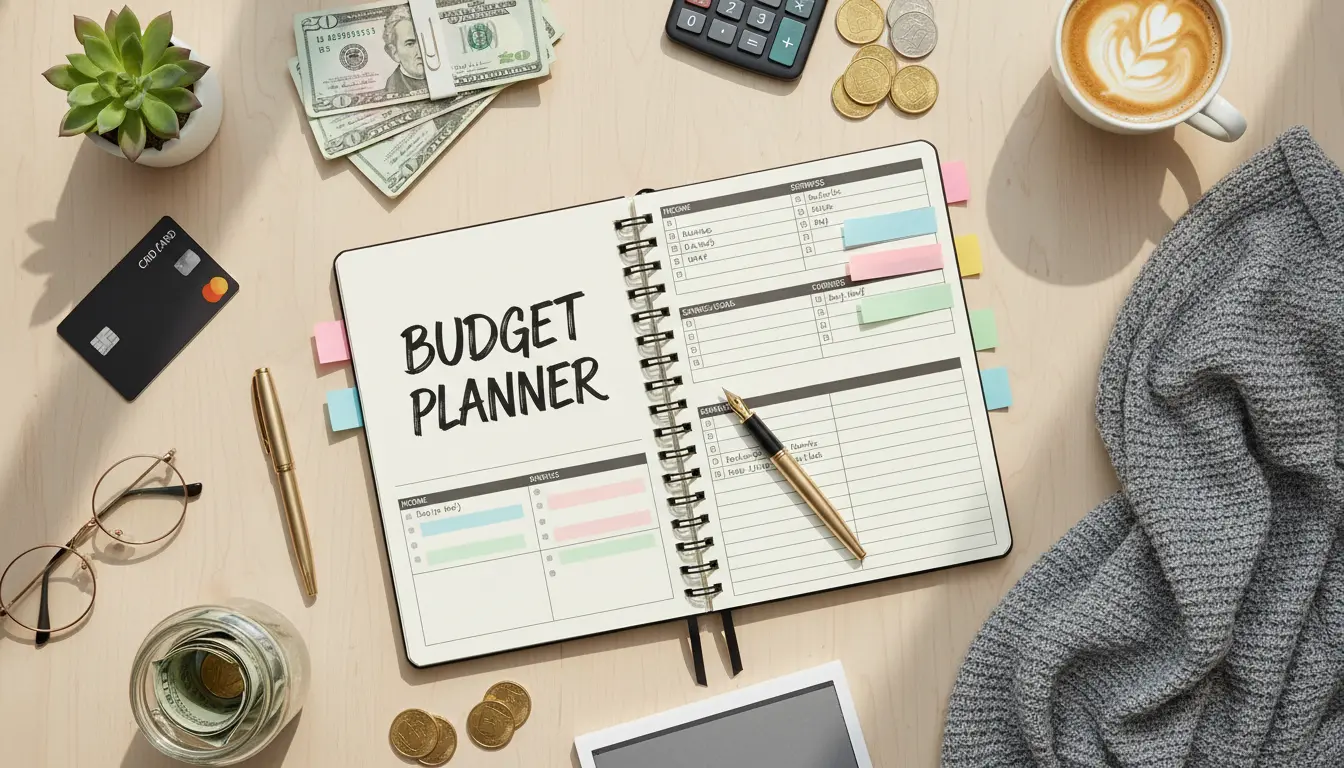
A personal budget plan is a clear record of your income, expenses, savings, and goals. It shows where money comes from and where it goes each month.
Every plan helps you prioritize spending, build emergency savings, and reach short-term and long-term goals. A usable plan fits your life, not the other way around.
Why a Personal Budget Plan Matters
Budgeting reduces stress by making finances predictable. You can avoid surprises, pay bills on time, and see progress toward goals.
Even small, consistent changes in a budget plan compound into meaningful savings over a year or two.
Step-by-Step: Build Your Personal Budget Plan
1. List Income Sources
Start with take-home pay after taxes and regular deductions. Include side income, child support, or regular transfers.
Use monthly averages for irregular income. Conservative estimates prevent shortfalls.
2. Track Every Expense for One Month
Record fixed expenses like rent, utilities, and subscriptions, plus variable costs like groceries and transport. Apps, a spreadsheet, or a notebook work fine.
Tracking reveals habits you may not notice, such as recurring small purchases that add up.
3. Categorize and Prioritize
Common categories: Housing, Utilities, Food, Transportation, Insurance, Debt, Savings, and Discretionary. Prioritize essentials and debt payments first.
Decide which discretionary expenses you can reduce or pause to free cash for goals.
4. Choose a Budgeting Method
Pick a method that matches your personality and goals. Common options include:
- Zero-Based Budgeting: Every dollar has a job, including savings.
- 50/30/20 Rule: 50% needs, 30% wants, 20% savings/debt.
- Envelope Method: Cash for categories to control spending.
Start simple and switch if a method feels unsustainable.
5. Set Clear, Measurable Goals
Define short-term goals (3–12 months) like building a $1,000 emergency fund. Define long-term goals (1+ years) such as buying a home or paying off student loans.
Attach dollar amounts and timelines to each goal to measure progress.
Track and Adjust Your Personal Budget Plan
Monitor Spending Weekly
Review spending weekly to catch drift before it becomes a problem. Small course corrections keep longer-term plans realistic.
Automate bill payments and savings transfers to avoid missed contributions and late fees.
Monthly Review and Rebalance
At month end compare actual spending to the plan. Move funds between categories if needed and note any recurring surprises.
Adjust goals and amounts when income or life circumstances change, such as a raise, job loss, or new family needs.
Tools and Methods for a Personal Budget Plan
Tools make budgeting easier but do not replace decisions. Choose tools that match your comfort with technology and detail.
- Spreadsheet templates: Flexible and private; good for learning mechanics.
- Budgeting apps: Sync accounts, categorize transactions, and show trends.
- Pen-and-paper envelope system: Great for visual control of cash spending.
Examples of app features to look for: automatic categorization, goal tracking, and alerts for overspending.
Automating a small weekly transfer, like $25, grows to $1,300 in a year without monthly manual effort. Small habits compound into large results.
Common Mistakes to Avoid
- Being overly optimistic about variable expenses. Err on the side of caution.
- Neglecting irregular annual expenses like insurance or vehicle registration. Set a sinking fund for these costs.
- Using too many categories. Keep categories manageable to reduce tracking fatigue.
Small Real-World Example
Maya, a 29-year-old graphic designer, used a personal budget plan after noticing her savings were stagnant. She tracked two months of spending, found she was spending $200 monthly on takeout, and set a goal to cut that by half.
By switching to meal prepping and automating a $150 monthly transfer to a high-yield savings account, Maya built a 3-month emergency fund within nine months. She then redirected those transfers toward paying down a small credit card balance faster.
Case Study: Adjusting the Plan When Income Changes
When Maya received a 10% raise, she followed a two-step rule: 50% of the raise went to increased savings and 50% to lifestyle improvements. This prevented lifestyle inflation and accelerated her debt payoff.
Small, preplanned allocations after income boosts help maintain progress without feeling deprived.
Actionable Checklist to Start Today
- Record last month’s income and expenses.
- Choose a budgeting method that fits your routine.
- Set at least one short-term and one long-term financial goal.
- Automate savings and recurring bills where possible.
- Review and adjust your plan weekly and monthly.
Conclusion: Keep the Plan Simple and Consistent
A personal budget plan works best when it is simple, visible, and reviewed regularly. Consistency beats complexity.
Start with one small habit, like automating a transfer or cutting one recurring expense, and build from there. Over time, a clear plan makes financial freedom more achievable.