
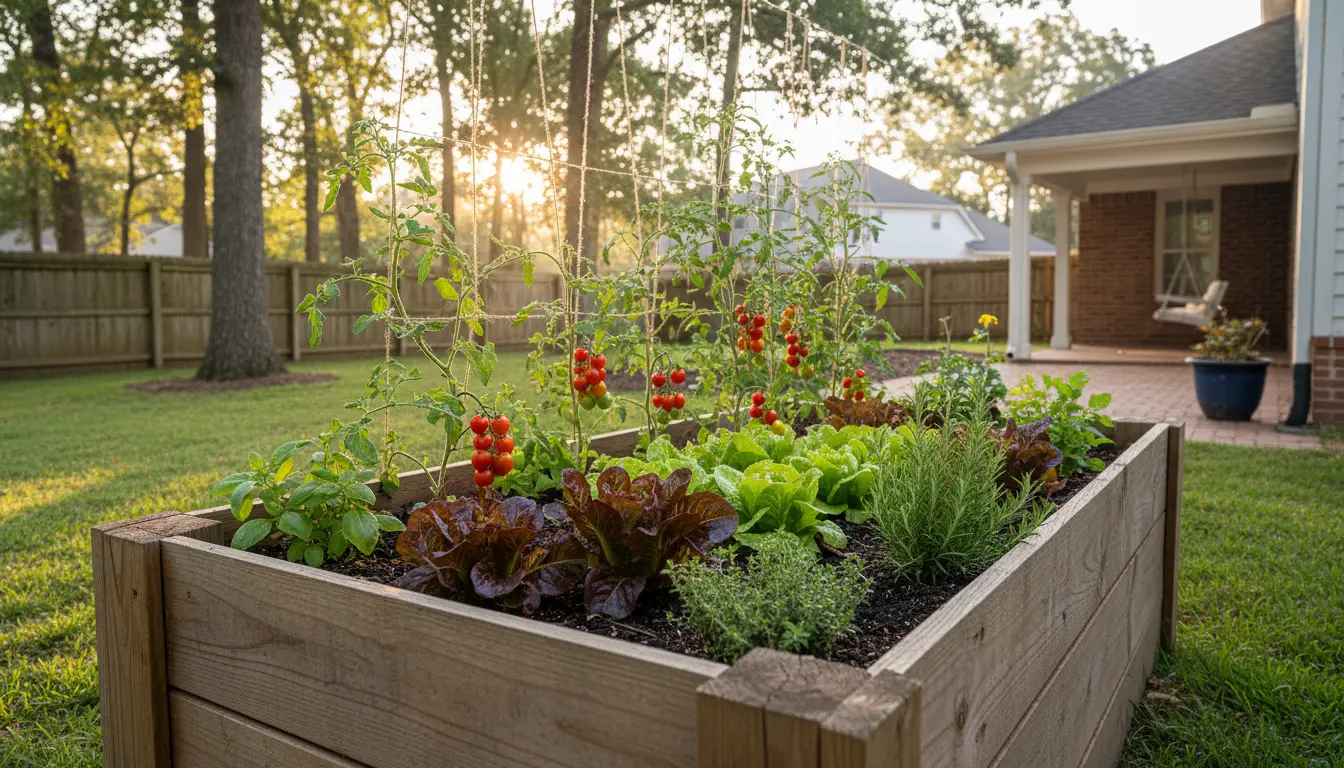
Why start a vegetable garden
Starting a vegetable garden gives you fresh food, saves money, and connects you to nature. Even a small space, balcony, or raised bed can produce meaningful harvests.
This guide explains how to start a vegetable garden in clear, practical steps you can follow this season.
Step 1: Plan where to start a vegetable garden
Pick a sunny spot that gets at least 6 hours of direct sun daily for most vegetables. Observe sunlight through the day to ensure consistent exposure.
Consider access to water, soil quality, and ease of reaching the bed for maintenance. Size the garden based on how much time you can commit.
Garden layout options
- In-ground bed: Best if soil is healthy and drainage is good.
- Raised beds: Easier to control soil, good for small yards and urban plots.
- Containers and pots: Ideal for balconies and patios.
Step 2: Test and improve soil before you start a vegetable garden
Good soil is the foundation of a healthy vegetable garden. Test pH and nutrient levels with a basic kit or local extension service.
Most vegetables prefer slightly acidic to neutral soil (pH 6.0–7.0). Add compost or aged manure to improve structure and fertility.
Soil amendment checklist
- Add 2–3 inches of compost on top and mix into top 6–8 inches of soil.
- Use balanced organic fertilizer if a test shows nutrient gaps.
- Mulch with straw or shredded leaves to retain moisture and suppress weeds.
Step 3: Choose what to plant when you start a vegetable garden
Select vegetables that match your climate, season, and skill level. Start with easy, reliable crops to build confidence.
Good beginner plants include tomatoes, lettuce, radishes, green beans, and herbs like basil and parsley.
Planning by season
- Cool-season crops: Lettuce, spinach, peas, and kale (plant early spring or fall).
- Warm-season crops: Tomatoes, peppers, cucumbers, and squash (plant after last frost).
- Stagger planting: Plant lettuce every 2–3 weeks for continuous harvest.
Step 4: Planting basics to start a vegetable garden
Follow seed packet or plant tag instructions for spacing and depth. Crowding leads to disease and lower yields.
Water new plants gently and keep soil consistently moist until roots are established.
Practical planting tips
- Plant seedlings deeper for tomatoes to encourage strong root systems.
- Use support like trellises for beans and cucumbers to save space.
- Label rows so you remember planting dates and varieties.
Step 5: Maintain your garden after you start a vegetable garden
Maintenance is mostly regular watering, weed control, and monitoring for pests or disease. Check plants twice a week during peak growth.
Use drip irrigation or a soaker hose to deliver water to roots and reduce leaf wetness that can invite disease.
Common maintenance tasks
- Water deeply once or twice a week rather than light daily sprinkling.
- Hand-pull weeds or use shallow hoeing to avoid disturbing roots.
- Remove diseased leaves promptly and dispose of them off-site.
Organic pest control when you start a vegetable garden
Start with prevention: healthy soil, good spacing, and crop rotation lower pest pressure. Encourage beneficial insects with flowers like marigolds and alyssum.
Use row covers for young plants and hand-pick larger pests like caterpillars. Apply organic controls like neem oil only when necessary.
Harvesting and storage
Harvest regularly to encourage more production. Pick leafy greens when young, and harvest tomatoes when they are fully colored and slightly soft.
Cool produce quickly after harvest for best shelf life. Store root vegetables in a cool, dark place and herbs in the fridge or dried for long-term use.
Planting flowers like marigolds and calendula near vegetables can attract pollinators and deter some pests, improving yields without chemicals.
Small real-world example
Case study: In a 10×4 foot raised bed, a beginner planted tomatoes, bush beans, lettuce, and basil. By following the steps above, they harvested fresh salad greens within 6 weeks and steady tomatoes by late summer.
The gardener saved roughly $200 on store-bought produce in the first season and reduced food waste by harvesting on demand.
Quick checklist to start a vegetable garden
- Choose a sunny site and size your garden.
- Test and amend the soil with compost.
- Select beginner-friendly vegetables for your season.
- Follow planting depth and spacing guidelines.
- Water, weed, and monitor pests regularly.
Final tips for success when you start a vegetable garden
Start small and expand as you gain experience. Keep notes each season about what worked and what failed to refine your plan.
Community resources like local extension services and gardening groups are valuable for region-specific advice. Enjoy the process and learn from each season.