
How to Start a Vegetable Garden: Planning and Site Selection
Starting a vegetable garden begins with planning. Choose a site with at least six hours of direct sunlight and good drainage.
Avoid locations under dense trees or near heavy shade. A flat or gently sloped area is easiest to work with and will drain better than low spots that collect water.
Measure and map your garden
Draw a simple map showing beds, paths, and nearby trees or buildings. Decide whether you want in-ground rows, raised beds, or containers.
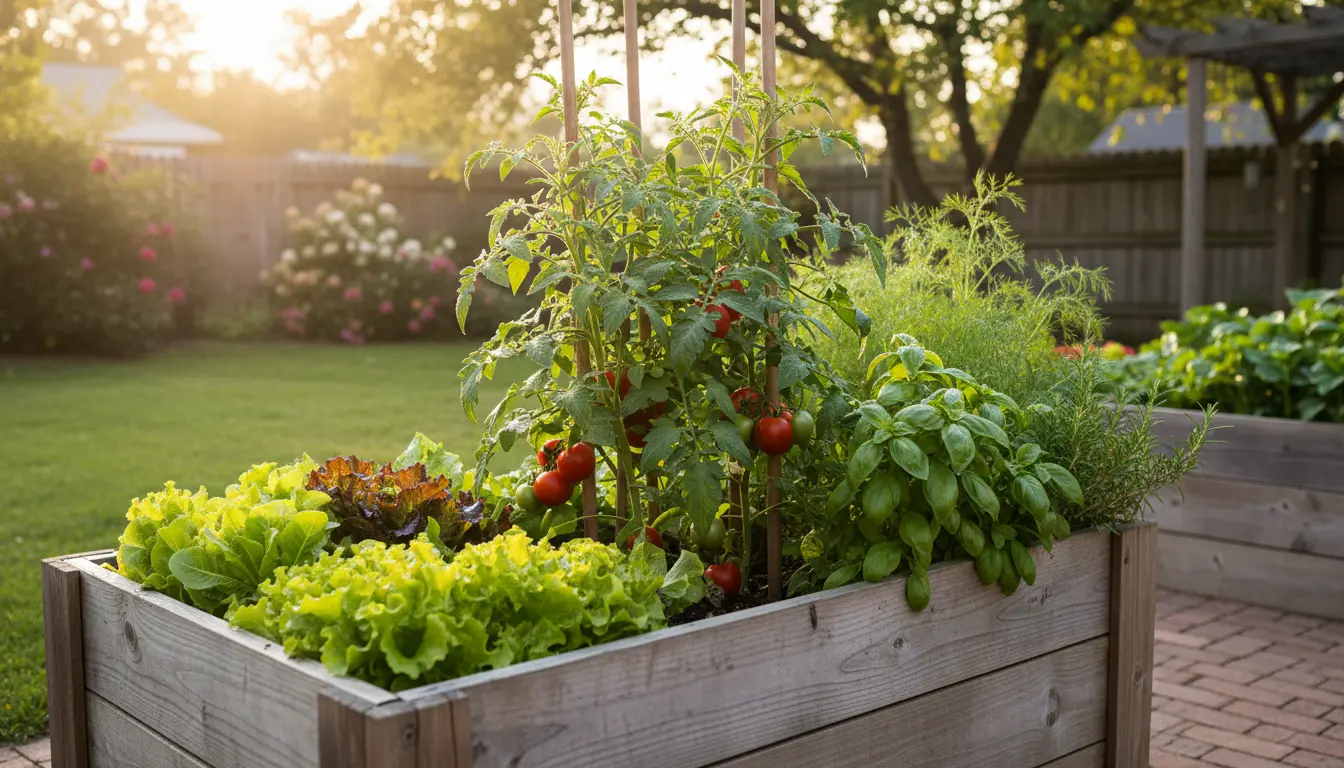
Raised beds warm faster in spring and improve drainage, while containers are ideal for small spaces or patios.
How to Start a Vegetable Garden: Soil Preparation
Soil quality determines much of your garden’s success. Test pH and fertility with a home kit or local extension service.
Most vegetables prefer a slightly acidic to neutral pH (6.0 to 7.0). Amend soil based on test results to optimize nutrient availability.
Improve soil structure
Work in 3 to 4 inches of compost or well-rotted manure to improve texture and fertility. For heavy clay, add coarse sand and organic matter to improve drainage.
For sandy soils, increase organic matter to retain moisture and nutrients.
How to Start a Vegetable Garden: Choosing Plants
Select plants that match your climate, season, and experience level. Begin with easy crops to build confidence.
- Beginner-friendly vegetables: lettuce, radishes, green beans, zucchini, tomatoes.
- Choose varieties suited to your USDA hardiness zone or local conditions.
- Consider days-to-harvest when planning succession planting.
Mix warm and cool-season crops
Spring and fall favor cool-season crops like spinach and peas. Summer is best for warm-season crops like peppers and tomatoes.
Stagger plantings to maintain a steady harvest over weeks or months.
How to Start a Vegetable Garden: Planting and Spacing
Follow seed packet or plant tag spacing recommendations. Crowded plants compete for light, water, and nutrients.
Use rows, blocks, or square-foot gardening layouts to maximize yield in limited space.
Examples of spacing
- Lettuce: 6–12 inches apart
- Tomatoes: 18–36 inches between plants
- Beans (bush): 3–4 inches in rows
How to Start a Vegetable Garden: Watering and Mulching
Consistent watering is critical, especially during establishment and fruiting. Aim for deep, infrequent watering rather than frequent shallow sprinkles.
Soaker hoses or drip irrigation deliver water efficiently and reduce leaf wetness that can spread disease.
Use mulch to conserve moisture
Apply 2–3 inches of organic mulch, like straw or shredded leaves, to keep soil cooler and reduce weeds. Mulch also adds organic matter as it decomposes.
How to Start a Vegetable Garden: Pest and Disease Management
Preventive steps cut problems before they start. Rotate crops yearly to reduce buildup of soil-borne pests and diseases.
Encourage beneficial insects by planting herbs and flowers such as marigolds, cilantro, or borage nearby.
Low-toxicity control options
- Handpick larger pests like slugs and caterpillars.
- Use row covers to protect young plants from insects.
- Apply insecticidal soaps or neem oil for soft-bodied pests when needed.
How to Start a Vegetable Garden: Maintenance and Harvest
Keep up with weeding, monitoring for pests, and watering. Regular harvests encourage continued production for many vegetables.
Pick early and often for crops like lettuce and beans to prolong harvest season and improve taste.
Record keeping
Keep a simple journal noting planting dates, varieties, problems, and harvest yields. This helps improve decisions year to year.
Adding just 1 inch of compost to 100 square feet of garden improves soil organic matter and water retention significantly over a single season.
Small Real-World Example / Case Study
Case: Sarah, a beginner on a 20×10 foot lot, started with two 4×8 raised beds. She tested soil, added compost, and planted tomatoes, lettuce, and bush beans.
By following spacing and watering guidelines, she harvested lettuce within 6 weeks and tomatoes in 12 weeks. Rotating beans to a new bed the next year reduced root pests and increased yields by about 20%.
Quick Checklist to Start a Vegetable Garden
- Choose a sunny, well-drained site.
- Test soil and amend as needed with compost.
- Select beginner-friendly crops and order seeds or seedlings.
- Space plants according to recommendations and mulch beds.
- Water deeply and monitor for pests regularly.
- Keep records and rotate crops each year.
Final Tips on How to Start a Vegetable Garden
Start small to learn without becoming overwhelmed. Consistency and observation beat complicated plans for new gardeners.
Over time you can expand beds, try new varieties, and experiment with season extension like cold frames or row covers.