
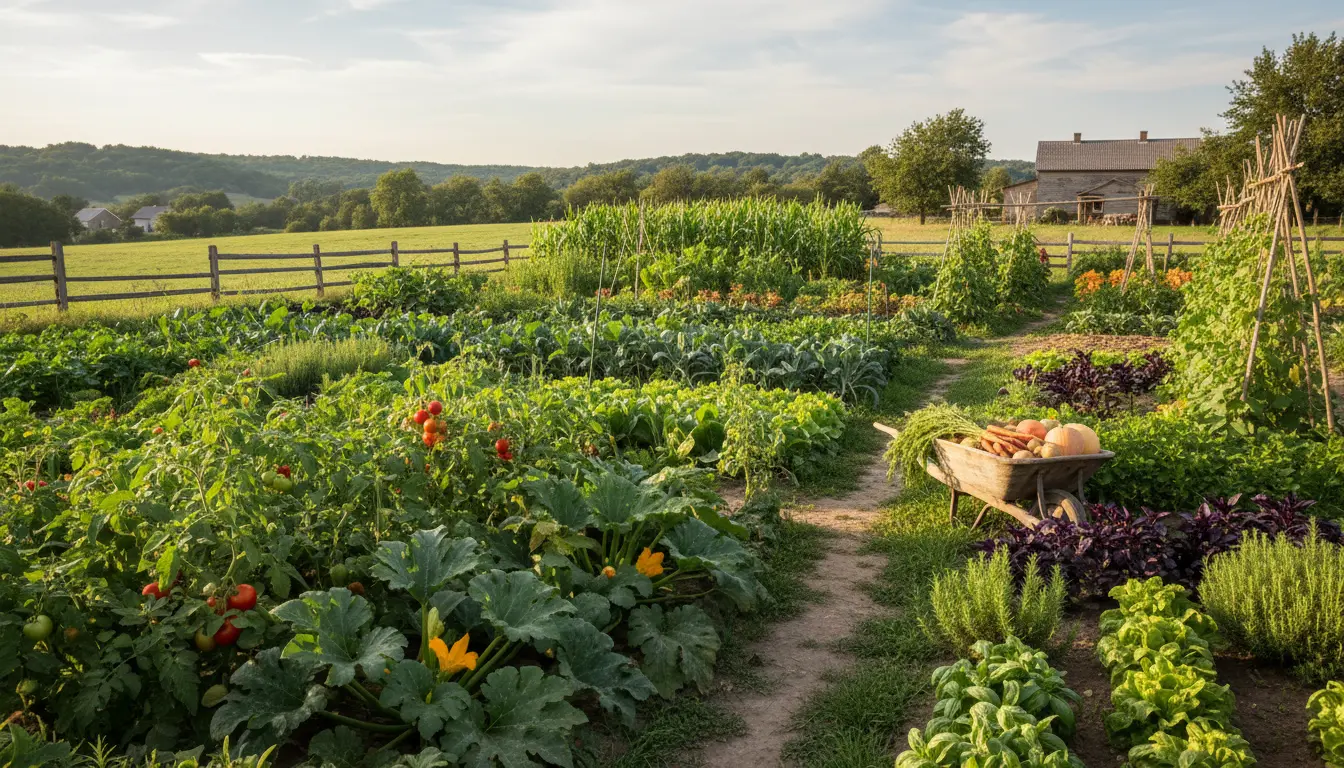
Overview: Start a Vegetable Garden in Simple Steps
Starting a vegetable garden is achievable on any scale, from a balcony box to a backyard plot. This guide shows practical, step-by-step actions you can take to start a vegetable garden this season.
Choose the Right Spot to Start a Vegetable Garden
Good site selection improves success and reduces ongoing work. Aim for a location with at least 6 hours of sunlight for most vegetables.
Consider proximity to water, ease of access, and protection from strong wind. If full sun is not available, select crops that tolerate partial shade.
Checklist for Site Selection
- 6+ hours of direct sun for tomatoes, peppers, and squash
- Near a water source to make irrigation quick
- Level or slightly raised area to avoid pooling water
- Good drainage and soil that is not compacted
Prepare Soil Before You Plant
The phrase “start a vegetable garden” often means starting with soil preparation. Healthy soil is the foundation of a productive garden.
Test your soil pH and texture with a simple kit or lab test. Most vegetables prefer slightly acidic to neutral soil (pH 6.0 to 7.0).
Steps to Improve Soil
- Clear weeds and debris and loosen soil to 8–12 inches deep
- Add organic matter: compost, aged manure, or leaf mold
- Mix in a balanced slow-release fertilizer if needed
- Use raised beds if soil is poor or drainage is a problem
Select Plants and Plan Layout to Start a Vegetable Garden
Choose vegetables that match your climate, space, and skill level. Beginners often start with lettuce, radishes, bush beans, cherry tomatoes, and herbs.
Group plants by water needs and growth habit. Place tall plants on the north side of beds so they do not shade smaller plants.
Planting Timing and Spacing
- Check your local last frost date and plant accordingly
- Direct sow root crops and quick greens early in spring
- Transplant seedlings for slower-growing warm-season crops
- Follow seed packet spacing to prevent overcrowding and disease
Watering, Mulching, and Basic Care
Consistent watering is critical when you start a vegetable garden. Water deeply and less often rather than frequent shallow watering.
Mulch conserves moisture, reduces weeds, and moderates soil temperature. Use straw, shredded leaves, or wood chips around established plants.
Practical Care Tips
- Water in the morning to reduce fungal issues
- Use drip irrigation or a soaker hose for efficiency
- Stake or cage tall plants like tomatoes to keep fruit off soil
- Rotate crops yearly to prevent soil nutrient depletion and pests
Common Problems and Simple Fixes
Pest and disease issues are common but often manageable with early action. Inspect plants weekly to catch problems early.
Use these low-cost approaches before reaching for chemicals: hand-pick pests, apply insecticidal soap for soft-bodied insects, and remove diseased leaves promptly.
Quick Troubleshooting
- Yellowing leaves: check watering and soil drainage
- Stunted growth: test soil nutrients and pH
- Holes in leaves: look for slugs, caterpillars, or beetles
- Blossom end rot on tomatoes: ensure consistent calcium and moisture
Harvesting and Extending the Season
Harvest vegetables at peak ripeness for best flavor and to encourage continued production. Frequent harvesting often leads to higher yields.
Extend your growing season with row covers, cold frames, or by starting seeds indoors for an earlier start.
Simple Case Study: Small Urban Plot Success
Case study: A city renter used three 4-foot raised beds on a sunny balcony to start a vegetable garden. In the first season they grew cherry tomatoes, basil, lettuce, and bush beans.
They prepared soil with a 50/50 mix of compost and topsoil, planted seedlings after the last frost, and used drip irrigation. By midsummer they harvested weekly salads and several pints of cherry tomatoes.
Key takeaways: choose compact varieties, focus on high-yield crops for small spaces, and use consistent watering and organic matter to boost production.
Quick Start Checklist to Start a Vegetable Garden
- Pick a sunny spot near water
- Test and amend soil with compost
- Choose easy crops and check planting dates
- Plant, mulch, and water deeply and consistently
- Monitor weekly and harvest regularly
Final Tips: Keep It Manageable
Start small and expand as you gain experience. A few well-tended beds produce more than a neglected large plot.
Record what works and what doesn’t. Note planting dates, varieties, and yields to improve each season. With a practical plan you can start a vegetable garden and enjoy fresh produce with less stress.