
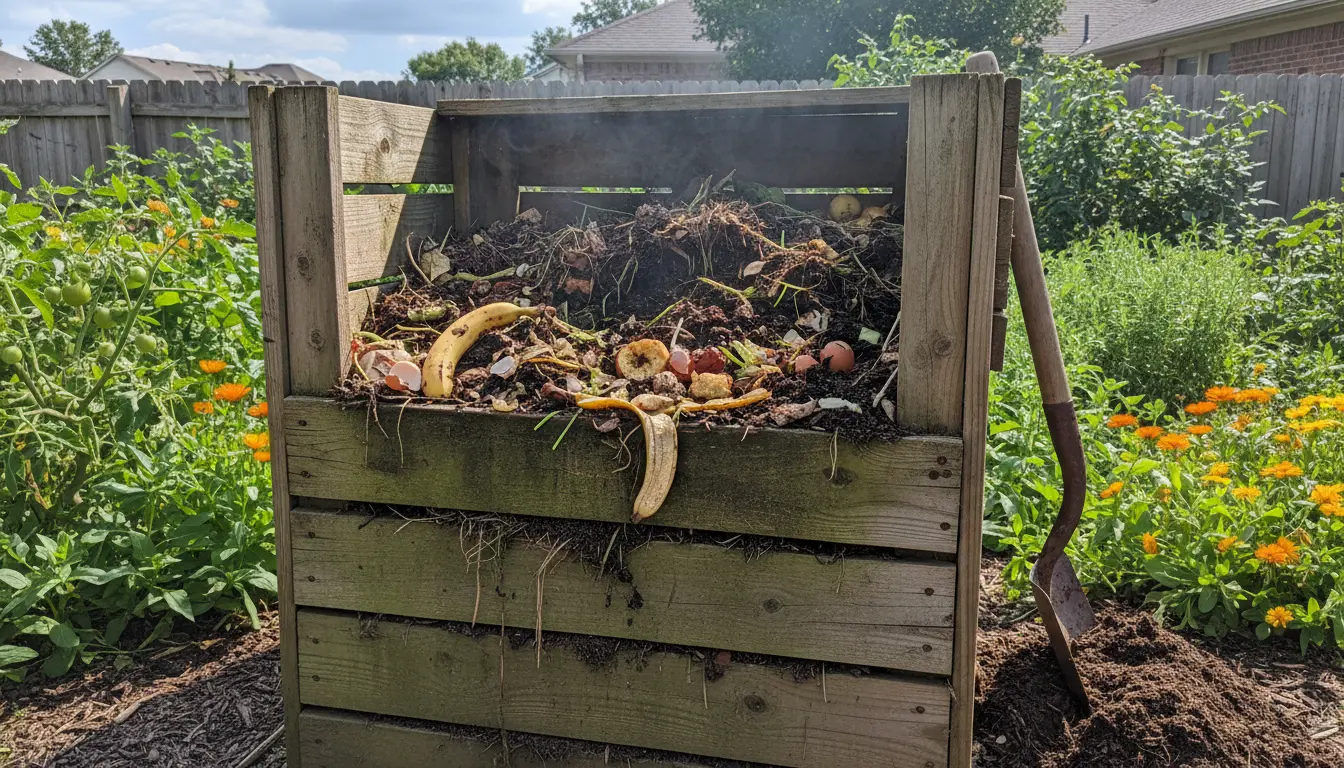
Why Home Composting Matters
Home composting turns kitchen scraps and yard waste into valuable soil amendment. It reduces household waste, lowers methane emissions, and improves garden soil structure and fertility.
This guide focuses on practical steps you can start today. The instructions are aimed at beginners and include troubleshooting tips and a short case study.
Getting Started with Home Composting
Before you begin, choose a simple method that fits your space and schedule. Composting can be done in a bin, tumbler, worm bin, or a simple pile.
Basic goals are to balance carbon and nitrogen materials, maintain moisture, and provide air. Aim for a steady decomposition process rather than perfection.
Choosing a Compost System
Select a system based on space and effort. A few common options are:
- Open pile: Best for large yards, low cost, low maintenance.
- Compost bin: Tidy and contained, good for small yards or patios.
- Tumbler: Faster turning, less touching of materials, ideal for busy gardeners.
- Worm (vermicompost): Excellent for apartments and small-scale indoor composting.
Place your system where it gets some shade and good drainage. Near a hose or water source is helpful.
What to Compost and What to Avoid
Use a mix of greens (nitrogen-rich) and browns (carbon-rich). Balance helps microbes break material down evenly.
- Greens: vegetable scraps, fruit peels, coffee grounds, fresh grass clippings.
- Browns: dry leaves, shredded paper, cardboard, straw, wood chips.
- Avoid: meat, dairy, oils, diseased plants, pet waste, and large woody branches.
Managing Your Compost Pile
Good management keeps compost active and reduces odors. Monitor three key factors: carbon to nitrogen ratio, moisture, and aeration.
A simple target is roughly 3 parts browns to 1 part greens by volume. That ratio can vary by material, so adjust if the pile is too wet or slow to decompose.
Steps to Maintain a Healthy Pile
- Layer materials: alternate greens and browns in 3–6 inch layers.
- Keep moist: the pile should feel like a wrung-out sponge. Add water if dry, add browns if too wet.
- Turn the pile: every 1–2 weeks for faster compost, or let it sit longer for low-maintenance composting.
- Shred large items: smaller pieces break down faster and reduce pests.
Troubleshooting Common Problems
Compost issues are usually easy to fix once you identify the cause. Below are common signs and solutions.
- Bad odor: Usually too wet or too many greens. Turn the pile and add dry browns like shredded paper or dry leaves.
- Slow breakdown: Pile may be too cold, dry, or lacking nitrogen. Add more greens and turn to introduce air.
- Pests: Avoid meat and dairy; bury food scraps in the center and secure bins with lids or hardware cloth.
- Flies or fruit flies: Cover fresh food scraps with a layer of browns and turn more often.
Quick 30-Day Home Composting Plan
This plan helps beginners see progress. Not all piles fully mature in 30 days, but you will establish a routine and produce partially decomposed material for garden beds.
- Week 1: Set up bin or pile, add a 6-inch base of browns, and start adding mixed kitchen scraps covered with browns.
- Week 2: Keep the pile moist and turn once. Add equal volumes of greens and browns over the week.
- Week 3: Monitor temperature and moisture; turn again. Add shredded yard waste to speed decomposition.
- Week 4: Turn one more time. Expect dark, crumbly material at the bottom and newer material on top.
Composting can reduce household waste by up to 30 percent and returns nutrients to your garden, reducing the need for synthetic fertilizers.
Case Study: Small Yard, Big Impact
Maria, a homeowner with a compact urban yard, started a 50-gallon compost bin. She used a 2:1 ratio of browns to greens and turned the bin every 10 days.
In six months she produced enough finished compost to top-dress three raised beds. Her vegetable harvest improved, and she cut weekly trash by one bag.
Key takeaways: choose the right bin, be consistent, and monitor moisture. Small, steady efforts yield visible garden benefits.
Using Finished Compost
Finished compost looks dark, crumbly, and smells earthy. Use it in these ways:
- Mix into potting soil at 10–20 percent by volume.
- Top-dress lawn or vegetable beds with a 1/4 to 1/2 inch layer.
- Work into garden beds before planting to improve soil structure.
Final Tips for Successful Home Composting
- Start small and scale up as you learn what works.
- Keep a small counter caddy for kitchen scraps to make composting convenient.
- Label bins or layers so you remember which pile is actively decomposing.
- Be patient: composting is a process. Regular attention yields the best results.
Home composting is practical, low-cost, and rewarding. With a basic system and routine care you can turn household waste into a valuable resource for healthier soil and plants.