
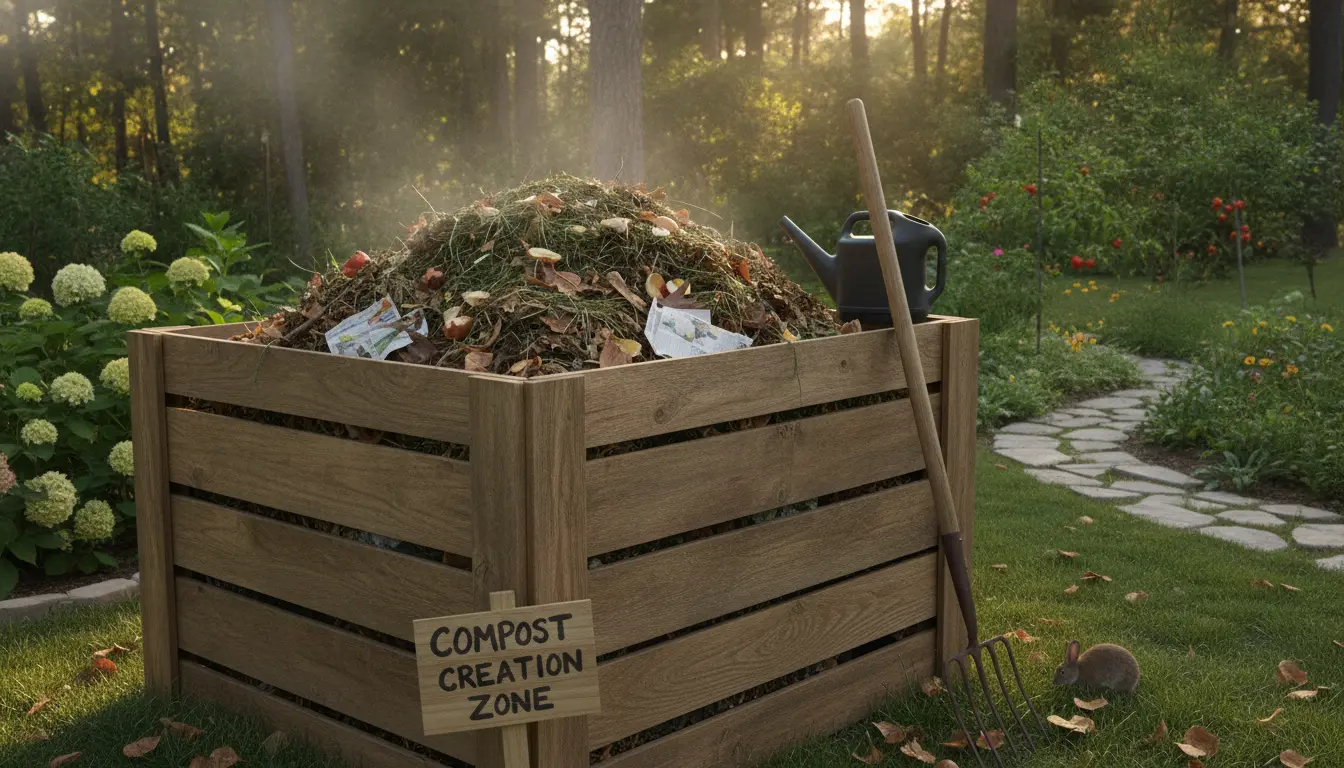
What Is Home Composting and Why Start?
Home composting is the controlled breakdown of organic kitchen and yard waste into a nutrient-rich soil amendment. It reduces household waste, improves soil health, and lowers your carbon footprint.
Starting is practical and inexpensive. You do not need a large yard or special tools to begin.
Benefits of Home Composting
- Reduces household waste and trash volume.
- Improves soil structure and fertility for gardens or potted plants.
- Retains moisture in soil, reducing watering needs.
- Reduces methane emissions from landfills.
Getting Ready: What You Need for Home Composting
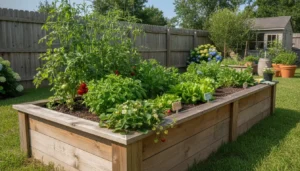
Choose a system that fits your space and needs. Options include open piles, tumblers, and indoor worm bins.
- Location: well-drained spot with partial shade.
- Container: compost bin, tumbler, or simple pile.
- Basic tools: a pitchfork or garden fork and a small shovel.
- Starter materials: a mix of brown and green materials (see below).
Key Materials: Browns and Greens
Balance carbon-rich “browns” and nitrogen-rich “greens” for efficient breakdown.
- Greens: fruit and vegetable scraps, coffee grounds, fresh grass clippings.
- Browns: dry leaves, shredded cardboard, paper, straw, small wood chips.
- Aim for about 3 parts browns to 1 part greens by volume for most home systems.
Step-by-Step: How to Start Home Composting
Follow these practical steps to establish a reliable compost pile or bin.
- Place a layer of coarse browns at the bottom for airflow.
- Add alternating layers of greens and browns as you collect waste.
- Moisten each layer so the pile is damp but not soggy.
- Turn or aerate the pile every 1–2 weeks to speed decomposition.
- Monitor temperature; a working pile will feel warm in the center.
How to Tell When Compost Is Ready
Finished compost is dark, crumbly, and smells earthy. Most home systems produce usable compost in 2–6 months, depending on the method and maintenance.
Troubleshooting Common Home Composting Problems
Common issues are simple to fix once you know what to look for.
- Bad odor: Add more browns and turn the pile to introduce air.
- Too dry: Add water and more greens to raise moisture.
- Slow decomposition: Chop materials smaller and maintain a better green-to-brown ratio.
- Pests: Avoid meat, dairy, and oily foods; cover food scraps with browns and use a closed bin if necessary.
Home Composting for Small Spaces
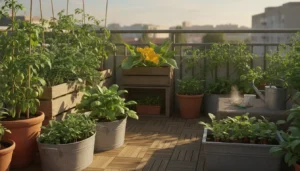
Apartment dwellers can compost successfully with compact options like bokashi systems or worm bins. These systems are odor-controlled and low-maintenance.
- Worm composting (vermiculture) works well indoors and handles most kitchen scraps.
- Bokashi uses fermentation; it is fast and suitable for small kitchens, though it requires burying fermented waste or finishing in a soil mix.

Food scraps and yard trimmings make up about 30% of typical household waste. Composting these materials at home can significantly cut your trash and return nutrients to the soil.
Case Study: Small Garden, Big Result
Maria lives in a suburban home with a small garden bed. She started a 100-liter compost bin and followed a 3:1 brown-to-green rule. She turned the bin every week and added finished compost to her vegetable bed after four months.
Her results: improved soil drainage, healthier tomato plants, and a 25% reduction in weekly kitchen waste. The initial setup cost was under $50 and paid off in healthier plants and less trash.
Practical Tips for Consistent Home Composting
- Keep a small countertop caddy for kitchen scraps to make composting easy.
- Chop larger scraps to speed decomposition.
- Layer materials rather than dumping a single type in all at once.
- Use a garden thermometer if you want to track pile temperature for faster results.
- Apply finished compost sparingly to potted plants and generously to garden beds.
Final Checklist: Start Home Composting Today
- Choose a compost system that fits your space.
- Gather browns and greens and begin layering.
- Maintain moisture and aeration with regular turning.
- Monitor progress and use finished compost in your garden.
Home composting is a low-cost, high-impact way to reduce waste and nourish your soil. Begin with small, consistent steps and improve as you learn what works for your household.