
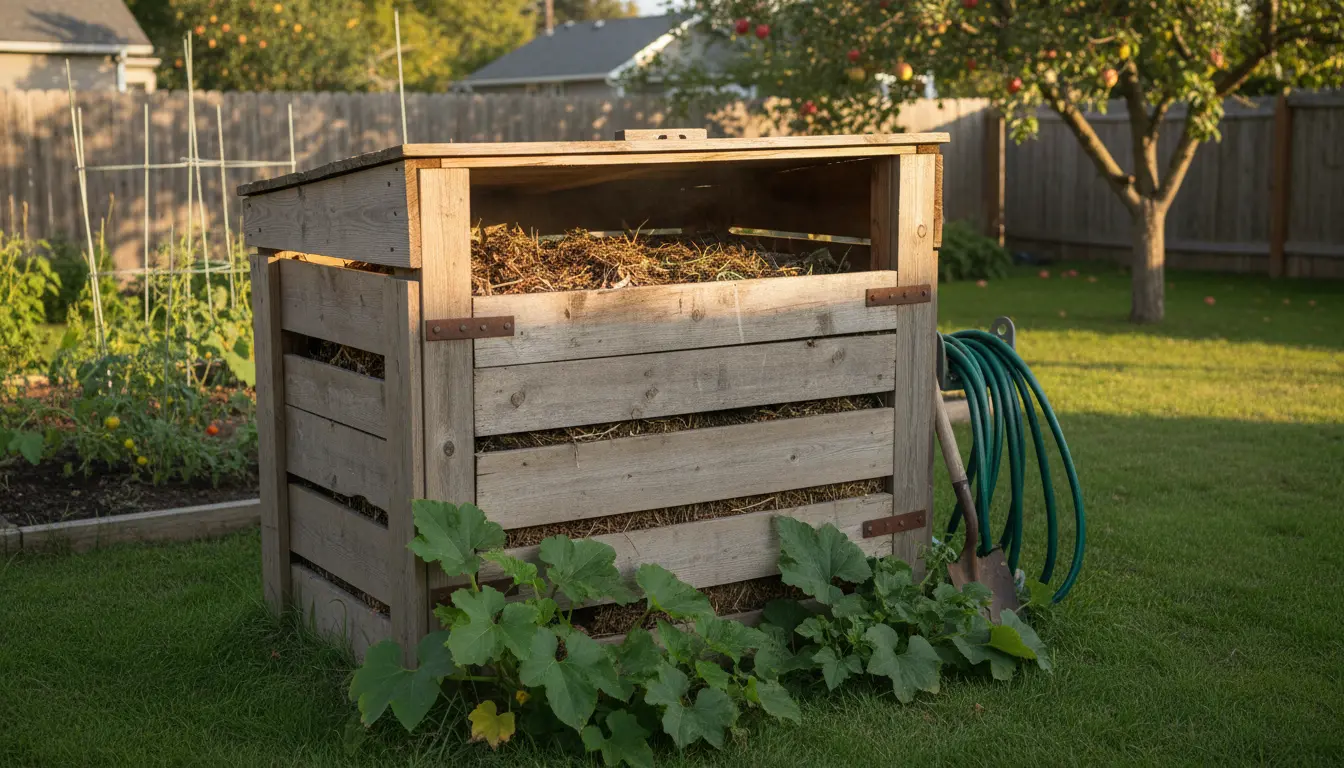
Getting Started with Home Composting
Home composting is an efficient way to turn kitchen and yard waste into rich soil for gardens. This guide explains simple, step by step methods for beginners to build and maintain a compost system safely and effectively.
Why Choose Home Composting
Composting reduces trash, lowers methane from landfills, and returns nutrients to soil. It also saves money on fertilizer and improves soil structure for plants.
Home Composting Benefits
Composting at home is practical and low cost. It supports healthier gardens and provides a responsible way to manage organic waste.
Basic Components of Home Composting
Successful compost needs three main ingredients: carbon, nitrogen, and moisture. Balancing these keeps microbes active and speeds decomposition.
Key Materials to Include
- Carbon rich materials Brown items such as dry leaves, shredded paper, and straw.
- Nitrogen rich materials Green items such as vegetable scraps, coffee grounds, and fresh grass clippings.
- Water Enough moisture to feel like a wrung out sponge but not dripping wet.
How to Set Up a Home Compost Bin
Choose a container that fits your space a simple plastic bin, a wooden crate, or a commercial tumbler will work. Place the bin on soil or a well drained surface to allow airflow and access for microbes and worms.
Step by Step Setup for Home Composting
- Pick a location A shaded spot near the garden makes turning and using compost easy.
- Layer materials Start with a 4 inch layer of coarse material for airflow then add alternating layers of brown and green materials.
- Maintain moisture and aeration Water lightly and turn the pile every 1 to 2 weeks to add oxygen.
Simple Maintenance Tips for Home Composting
Maintenance keeps compost productive and odor free. Regular monitoring is faster than correcting major problems later.
Routine Checks and Actions
- Check moisture weekly Add water if dry or add dry browns if too wet.
- Turn the pile every 1 to 2 weeks This accelerates decomposition and prevents bad smells.
- Shred larger items Smaller pieces compost faster and reduce pests.
Troubleshooting Common Home Composting Problems
Problems like foul odors, slow breakdown, or pests are usually easy to fix with a small adjustment. Identify the symptom and apply the simple remedy below.
Problems and Practical Fixes
- Bad odor Usually means too wet or too much green material Add dry brown material and turn the pile.
- Pile not heating Enough nitrogen or small particle size is missing Add green material and mix to improve contact.
- Pests in compost Avoid meat and dairy, bury food scraps in the center and use a closed bin or wire mesh base.
How to Know When Compost Is Ready
Finished compost is dark, crumbly, and smells earthy. Particle size will be smaller and original materials largely unrecognizable.
Using Finished Compost
- Top dress vegetable beds Add a 1 inch layer in spring or fall.
- Mix into potting soil Combine finished compost with garden soil to improve drainage and nutrients.
- Mulch around trees and shrubs Apply 2 to 3 inches keeping material an inch away from stems.
Small Real World Example of Home Composting
Case Study A small household in Austin converted food scraps and yard waste into compost using a 55 gallon tumbler. They balanced browns and greens and turned the tumbler weekly.
Results After six months they produced about 120 liters of finished compost. Their vegetable yield increased, and household trash volume dropped by 30 percent.
Quick Checklist for Home Composting Beginners
- Choose a bin that suits your space and access.
- Layer browns and greens aim for a 2 1 carbon to 1 nitrogen volume ratio as a simple rule of thumb.
- Keep moisture like a wrung out sponge and turn regularly.
- Avoid meat, dairy, diseased plants, and pet waste.
- Use finished compost to feed soil and reduce fertilizer needs.
Final Tips for Consistent Success with Home Composting
Start small and scale up as you learn what your compost needs. Keep notes on what you add and how often you turn the pile to refine the process.
Home composting is low maintenance once balanced and can become a regular part of managing household waste and improving garden health.