
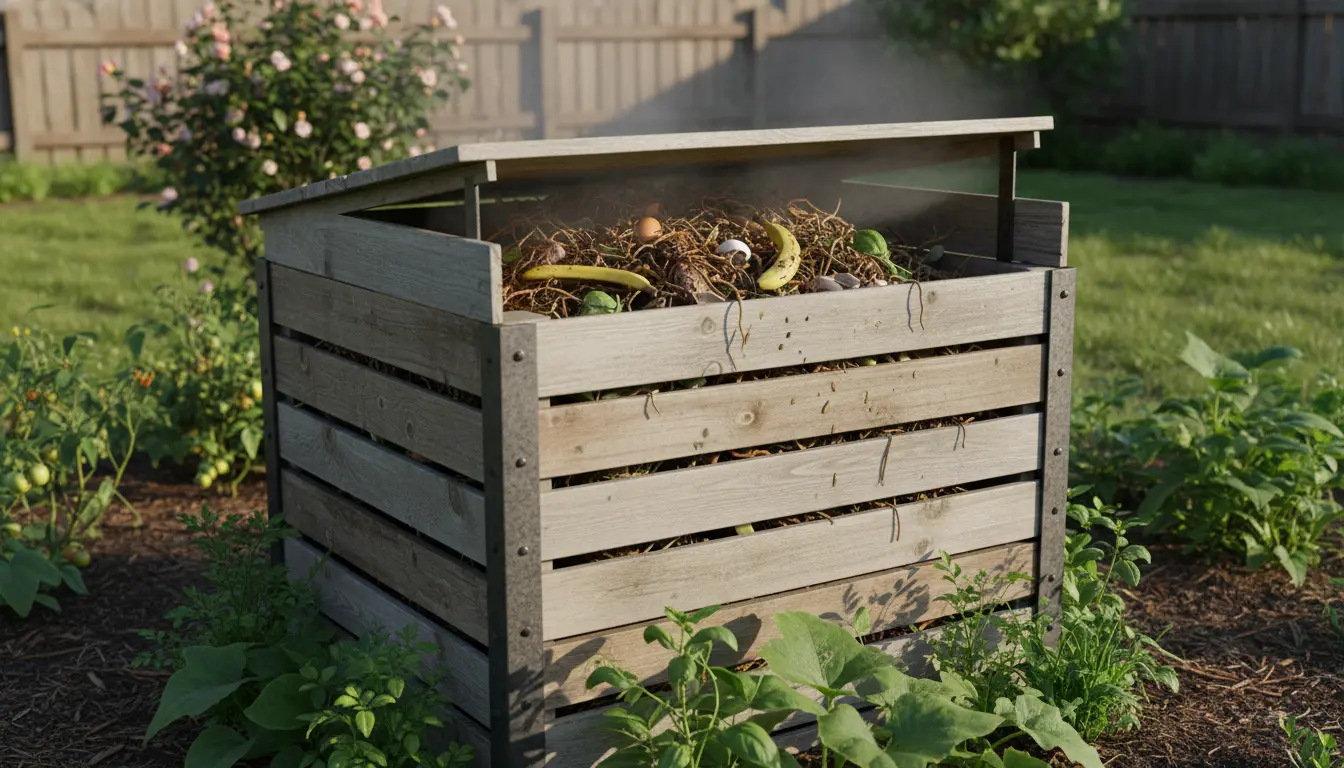
Home Composting for Beginners: Getting Started
Home composting is a simple way to turn kitchen scraps and yard waste into useful soil. This guide gives clear steps for beginners to start composting at home without confusion.
Follow these practical tips to build a working compost system that reduces waste and improves garden soil.
Why Home Composting for Beginners Matters
Composting cuts landfill waste and adds nutrients to soil. For beginners, it is a low cost activity that fits small yards, balconies, and even indoor setups with the right method.
Choose a Composting Method
Select a method that matches your space and schedule. Each method has pros and cons depending on how much waste you produce and how fast you want compost.
- Cold composting: Low effort, works in large or small bins, takes months to a year.
- Hot composting: Faster, reaches higher temperatures, needs mixing and a balanced mix of materials.
- Bokashi: Fermentation system ideal for indoor use and small spaces; accepts meat and dairy when used correctly.
- Tumbler composting: Good for easy turning and faster results in small yards.
Essential Setup Steps for Home Composting for Beginners
Start simple to gain confidence. A basic bin, the right mix of materials, and a little monitoring are enough to begin.
Where to Place Your Compost
Choose a flat spot with some shade to keep moisture stable. If you have a balcony, use a sealed bin or bokashi to avoid odors.
Avoid placing compost directly against wooden structures that could rot from moisture.
Essential Tools for Home Composting for Beginners
Tools help but are optional. Basic items include a garden fork or small shovel, a bin or tumbler, and a kitchen scrap container with a lid.
- Bin or tumbler
- Kitchen countertop pail
- Garden fork or hand trowel for turning
- Gloves and a thermometer for hot composting (optional)
What to Add and What to Avoid
Balance is key. Aim for a mix of green and brown materials to keep microbes active and odors low.
- Greens: Vegetable scraps, coffee grounds, grass clippings
- Browns: Dry leaves, shredded paper, cardboard, wood chips
- Do not add: Diseased plants, pet feces, large meat pieces, or oily foods in cold bins
Maintaining Your Compost
Basic maintenance keeps compost working well. Check moisture, turn the pile, and add materials in layers.
- Moisture: Compost should feel like a wrung-out sponge. Add water or dry browns as needed.
- Turning: Hot piles need turning every 1 to 2 weeks. Cold piles can be left alone or turned occasionally.
- Temperature: For hot composting, aim for 130 to 160 degrees F. Use a thermometer if you want faster results.
Did You Know?
Food waste makes up about 30 percent of household trash in many countries. Composting just a portion of that can cut waste and create rich soil amendments for plants.
Troubleshooting Common Problems
New composters often face a few recurring issues. These are easy to fix with simple adjustments.
- Bad smell: Add more browns, increase airflow, or stop adding wet foods for a while.
- Pile too dry: Add water and green materials, then turn to mix.
- Pile too wet or slimy: Add dry leaves or shredded paper and turn to aerate.
- Pests: Use sealed bins or bury food scraps, avoid adding large pieces of food.
How to Know When Compost Is Ready
Finished compost is dark, crumbly, and earthy smelling. It should be knot-free and mostly uniform in texture.
Depending on method, compost can take from 2 months to a year. Hot methods produce finished compost faster.
Using Finished Compost
Use finished compost as a soil top dressing, mix into planting beds, or make compost tea for watering plants. Start with small amounts and observe plant response.
Small Real World Case Study
Case Study: Maria in a Small Yard
Maria started with a 55 gallon tumbler in her suburban yard. She added kitchen scraps and shredded leaves, turning the tumbler once a week. After three months of hot composting she had rich compost to mix into her vegetable beds.
Results: She cut her kitchen waste by half and improved tomato yields the following season. Her simple routine took 15 minutes per week.
Quick Start Checklist for Home Composting for Beginners
- Choose a method that fits your space
- Select a bin or prepare a pile area
- Collect green and brown materials
- Maintain moisture and aeration
- Monitor temperature and turn as needed
Home composting for beginners is an achievable way to reduce waste and improve soil health. Start small, learn as you go, and adapt your system to fit your home and lifestyle.