
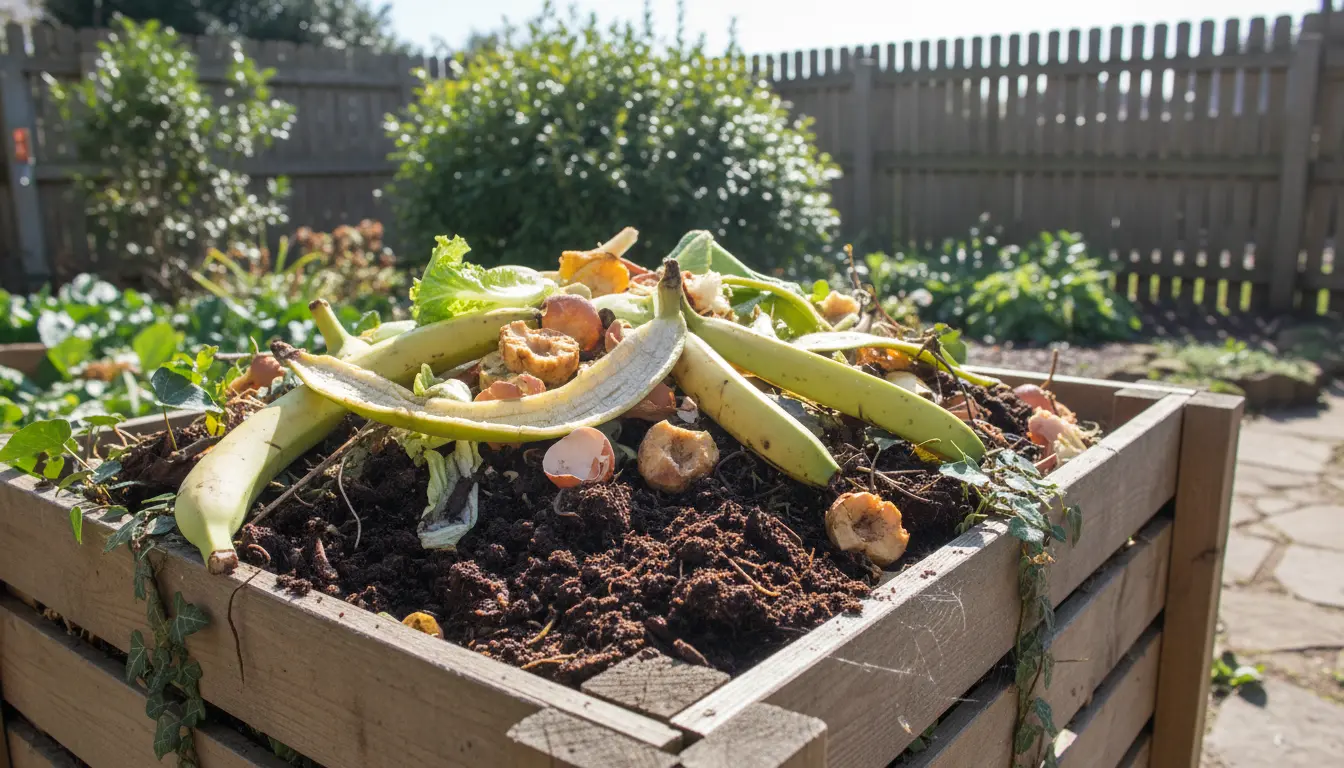
Home composting is an accessible way to turn kitchen scraps and yard waste into valuable soil amendment. This guide explains simple steps, common problems, and practical tips for beginners.
Why Choose Home Composting
Composting reduces household waste, lowers landfill contributions, and produces nutrient-rich material for plants. It can save money on soil amendments and improve garden health over time.
How Home Composting Works
Home composting relies on microbes to break down organic matter into humus. Microbes need a balance of carbon, nitrogen, moisture, and oxygen to work effectively.
Key Ingredients for Home Composting
- Brown materials (carbon): leaves, shredded paper, cardboard.
- Green materials (nitrogen): vegetable scraps, coffee grounds, grass clippings.
- Water: keeps material moist like a wrung-out sponge.
- Air: turns or aerates pile to supply oxygen for aerobic decomposition.
Setting Up Home Composting System
Choose a system that fits your space and lifestyle. Options include a simple pile, a bin, a tumbler, or an indoor worm composting setup.
Steps to Start Home Composting
- Pick a spot: level, shaded, and near a water source if possible.
- Assemble materials: mix browns and greens in roughly 3:1 ratio by volume.
- Layer and moisten: add materials in layers and moisten each layer lightly.
- Maintain: turn or tumble every 1–2 weeks; check moisture and smell.
- Harvest: finished compost is dark, crumbly, and earthy-smelling and is ready in 2–6 months depending on conditions.
Maintaining a Healthy Home Compost
Routine checks keep composting fast and odor-free. A small amount of attention prevents common problems.
Simple Maintenance Checklist
- Turn the pile to add oxygen every 1–2 weeks.
- Monitor moisture; add water if dry or brown materials if too wet.
- Chop or shred large items to speed decomposition.
- Add small amounts of garden soil occasionally to introduce microbes.
Troubleshooting Common Issues in Home Composting
Beginners often face a few recurring problems. The fixes are usually straightforward.
Bad Odor
Smells usually mean too much nitrogen or lack of air. Add brown materials and turn the pile to aerate.
Slow Decomposition
Slow breakdown often comes from pieces that are too large, a dry pile, or a poor greens-to-browns ratio. Chop materials, add moisture, and mix more greens if needed.
Pests
Avoid meat, dairy, and oily foods in home compost to reduce pests. Use a closed bin or tumbler and bury food scraps in the center to deter animals.
A typical household can divert up to 30% of its waste to composting by recycling kitchen scraps and yard trimmings.
Home Composting Methods Compared
Different setups suit different needs. Choose one based on space, budget, and how fast you want compost.
- Open pile: low cost, requires space, works well for yards.
- Closed bin: neater appearance and fewer pests, moderate cost.
- Tumbler: faster turning and aeration, good for limited space.
- Worm bin (vermicomposting): ideal indoors, processes kitchen scraps quickly with red worms.
Practical Tips for Beginners
- Start small: a single bin or small tumbler keeps work manageable.
- Keep a countertop container for scraps to make daily collection easy.
- Shred or chop materials to increase surface area and speed decomposition.
- Use finished compost as a soil top-dressing or mixed into potting soil for seedlings.
Short Case Study: Small Apartment Household
Jane lives in a small apartment with a balcony and started a 20-liter worm bin. She collected only vegetable scraps, coffee grounds, and paper towel pieces.
After four months she produced about 8 liters of worm castings and reduced her kitchen waste by nearly half. The castings were mixed into potted plants and noticeably improved plant vigor within six weeks.
What to Avoid in Home Composting
Some items slow the process or attract pests. Keep them out of home compost unless you have an industrial system.
- No meat, fish, bones, or dairy.
- Avoid diseased plants and invasive weeds with mature seeds.
- No pet feces from carnivores like dogs or cats.
Wrapping Up Home Composting for Beginners
Home composting is low-cost and effective when you balance materials and keep the pile aerated and moist. Start with manageable steps and learn by doing.
With simple maintenance and a bit of patience, most households can produce useful compost within a few months and reduce household waste significantly.