
Regular electric bike maintenance keeps your e-bike safe, efficient, and reliable. This guide focuses on practical, repeatable checks you can do at home and what to leave to a professional.
Essential tools for electric bike maintenance
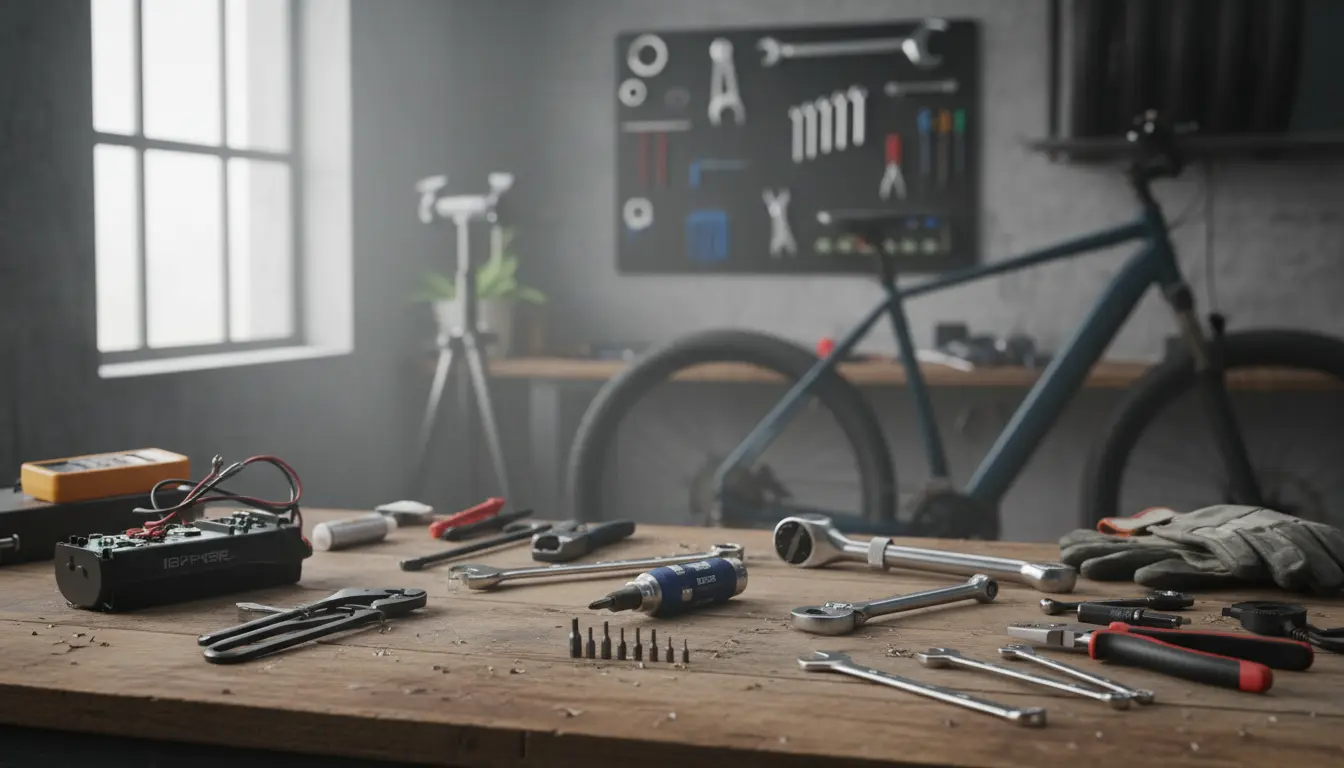
Keeping a small toolkit ready speeds up routine maintenance and helps avoid common problems. You do not need a full bike shop setup to handle most tasks.
- Allen key set (2–8 mm)
- Torque wrench or basic bike wrench
- Tire levers and mini pump or CO2 inflator
- Chain lubricant and rag
- Soft brush and mild detergent
- Multimeter for basic battery checks (optional)
Daily and weekly electric bike maintenance checks
Quick checks before each ride will catch issues early and reduce the chance of roadside failures. These checks take two to five minutes.
- Visual inspection: look for loose bolts, damaged wiring, or visible wear.
- Tire pressure: keep tires inflated to the manufacturer’s recommended PSI for the load and terrain.
- Brakes: squeeze levers to confirm firm engagement and no unusual noise.
- Lights and electronics: power on the display, lights, and check throttle or pedal-assist response.
Battery care and charging best practices
Battery health has the largest impact on range and long-term cost. Follow the battery guidelines below to preserve capacity.
Charging tips for battery longevity
Use the charger provided by the manufacturer and avoid rapid chargers unless specified. Charge to around 80–90% for daily use and store at 30–60% if you won’t ride for several weeks.
- Avoid full 100% charges for long-term storage when possible.
- Do not let the battery fully discharge regularly.
- Store batteries in a cool, dry place away from direct sunlight.
- Check connectors for corrosion and clean with a dry cloth if needed.
When to seek professional battery service
If capacity drops dramatically, the battery gets hot during charging, or you notice inconsistent power delivery, contact an authorized service center. Handling lithium batteries carries safety risks.
Tire and wheel maintenance
Tires and wheels affect comfort, efficiency, and safety. Regular attention prevents flats and improves ride quality.
- Inspect tires for cuts, embedded glass, or excessive wear.
- Keep proper tire pressure and check before every ride or at least weekly.
- True the wheel if you see wobbles; minor adjustments can be done at home but severe bends need a shop.
Brakes and drivetrain care
Brakes are critical on heavier electric bikes. Follow inspection and maintenance schedules to keep stopping power consistent.
Brake checks
Check pad thickness and rotor condition. Hydraulic systems may require occasional bleeding to remove air and restore lever feel.
Drivetrain maintenance
Keep the chain clean and lightly lubricated. A dry or dirty chain wears sprockets faster and reduces efficiency.
- Clean the chain with a rag and a mild degreaser when visibly dirty.
- Apply chain lube sparingly, wipe off excess to prevent grit buildup.
- Check derailleur alignment and shifting performance; adjust cable tension if shifting is slow.
Troubleshooting common electric bike problems
Some problems are easy to fix at home, while others need a technician. Use this checklist to narrow down causes.
- No power: check battery charge and connectors, try a second charger if available.
- Intermittent power loss: inspect wiring harness and connectors for movement or corrosion.
- Strange noises: identify source—wheel bearings, motor, or drivetrain—and address or seek service accordingly.
Many e-bike range losses are caused by underinflated tires and dirty drivetrains rather than battery degradation. Simple maintenance can often restore significant range.
Real-world example: daily commuter maintenance case study
Case: Maria, a city commuter, rode a 350W mid-drive e-bike 20 miles a day. She kept a small toolkit at home and followed a weekly checklist.
After three months of basic care—weekly tire pressure checks, monthly chain cleaning, and battery care—she reported smoother shifting, better range, and no unplanned repairs. When she finally visited a shop for a yearly tune-up, the technician confirmed lower wear on the drivetrain and correct battery health compared with similar bikes of the same age.
When to visit a professional for electric bike maintenance
Schedule a professional inspection at least once a year or after a major ride incident. Professionals can handle motor issues, battery diagnostics, and hydraulic brake service safely.
- Suspicious battery behavior or physical damage
- Motor noise or loss of power that basic checks don’t fix
- Complex electrical issues or software updates
Summary checklist for electric bike maintenance
Use this short checklist for regular care and to prepare for longer trips.
- Daily quick check: tires, brakes, electronics
- Weekly: clean drivetrain, check tire pressure, inspect bolts
- Monthly: clean battery contacts, light cleaning, check for wear
- Annually: professional tune-up, battery diagnostic
Following these practical steps will keep your electric bike performing reliably and extend component life. Keep a small toolkit, schedule routine checks, and seek professional help for electrical or motor work.