
Getting Ready to Start a Vegetable Garden
Starting a vegetable garden is a manageable project for most people. This guide gives clear, practical steps to plan, plant, and maintain a productive garden.
Did You Know? A small 10×10 foot vegetable garden can produce enough vegetables for a family of four during the growing season if planted and managed well.
Choose the Right Site for a Vegetable Garden
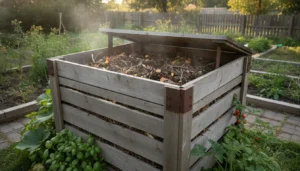
Location affects sunlight, drainage, and convenience. Pick a spot that gets at least 6 hours of direct sun per day for most vegetables.
Check soil drainage by digging a small hole and filling it with water. If it drains within a few hours, the site is suitable. Avoid low spots that stay waterlogged.
Sun, Water, and Access
- Full sun: 6 to 8 hours daily for tomatoes, peppers, and beans.
- Partial shade: leafy greens like lettuce tolerate less sun.
- Water access: place the garden near a hose or irrigation source.
- Pathways: plan for easy access to beds for planting and harvesting.
Prepare Soil to Start a Vegetable Garden
Healthy soil is the foundation of a productive vegetable garden. Start with a soil test to check pH and nutrient levels.
Amend soil based on test results. Adding compost improves structure, drainage, and fertility. For heavy clay, mix in coarse sand and organic matter.
Simple Soil Preparation Steps
- Remove grass and weeds from the chosen area.
- Loosen soil to a depth of 8 to 12 inches using a shovel or fork.
- Mix in 2 to 4 inches of compost across the bed.
- Level the bed and set up pathways to prevent compaction.
Decide What to Plant in Your Vegetable Garden
Choose plants that match your climate, season, and cooking preferences. Start with easy crops for beginners.
- Beginner-friendly vegetables: tomatoes, radishes, lettuce, green beans, and zucchini.
- Plan spacing: follow seed packet or plant tag recommendations to avoid overcrowding.
- Succession planting: sow partial plantings every few weeks for continuous harvest.
Companion Planting Basics
Planting certain vegetables together can reduce pests and improve growth. For example, basil near tomatoes may improve flavor and repel some insects.
Planting Steps to Start a Vegetable Garden
Follow a simple planting schedule for seeds and seedlings. Harden off young transplants by exposing them gradually to outdoor conditions over a week.
Plant at the recommended depth and water in gently after planting. Mulch around plants to conserve moisture and reduce weeds.
Watering and Mulching
- Water frequency: most gardens need about 1 inch of water per week, adjusted for rainfall and soil type.
- Water early in the day to reduce disease risk.
- Use organic mulch like straw or shredded leaves to keep soil cool and moist.
Maintain Your Vegetable Garden for Best Results
Regular maintenance keeps plants healthy and productive. Tasks include weeding, monitoring for pests, staking, and feeding as needed.
Inspect plants weekly for signs of disease or insect damage. Early action prevents small problems from becoming major losses.
Simple Maintenance Checklist
- Weed beds weekly to reduce competition for nutrients.
- Support tall plants with stakes or cages.
- Feed plants with balanced organic fertilizer at planting and midseason if growth is slow.
- Rotate crops yearly to prevent soil-borne diseases.
Small Case Study Case Study Sarahs Raised Bed Success
Sarah converted a 10×8 foot sunny corner of her yard into three raised beds. She used store-bought topsoil mixed with compost and planted tomatoes, lettuce, peppers, and beans.
She watered deeply twice weekly, mulched with straw, and rotated beans with leafy greens the next season. Her beds produced more than she expected, supplying fresh vegetables for her family and neighbors.
Key takeaways: raised beds warmed faster, had fewer weeds, and allowed easier soil management. Small, consistent care delivered a reliable harvest.
Troubleshooting Common Problems in a Vegetable Garden
Pests, diseases, and poor yields are common but solvable. Identify the issue before treating it to avoid unnecessary chemicals.
- Yellow leaves: check watering and nutrient levels.
- Wilting plants: inspect roots for rot or tunneling by pests.
- Low fruit set on tomatoes: ensure adequate sunlight and consistent watering.
Final Tips to Start a Vegetable Garden
Start small and expand as you gain confidence. Focus on a few crops you enjoy eating and that grow well in your area.
Keep records: note planting dates, varieties, and results. This simple log helps improve yields year to year.
With basic planning and weekly attention, you can start a vegetable garden that provides fresh produce and satisfaction. Use the steps above to plan, plant, and maintain a garden that fits your space and lifestyle.