
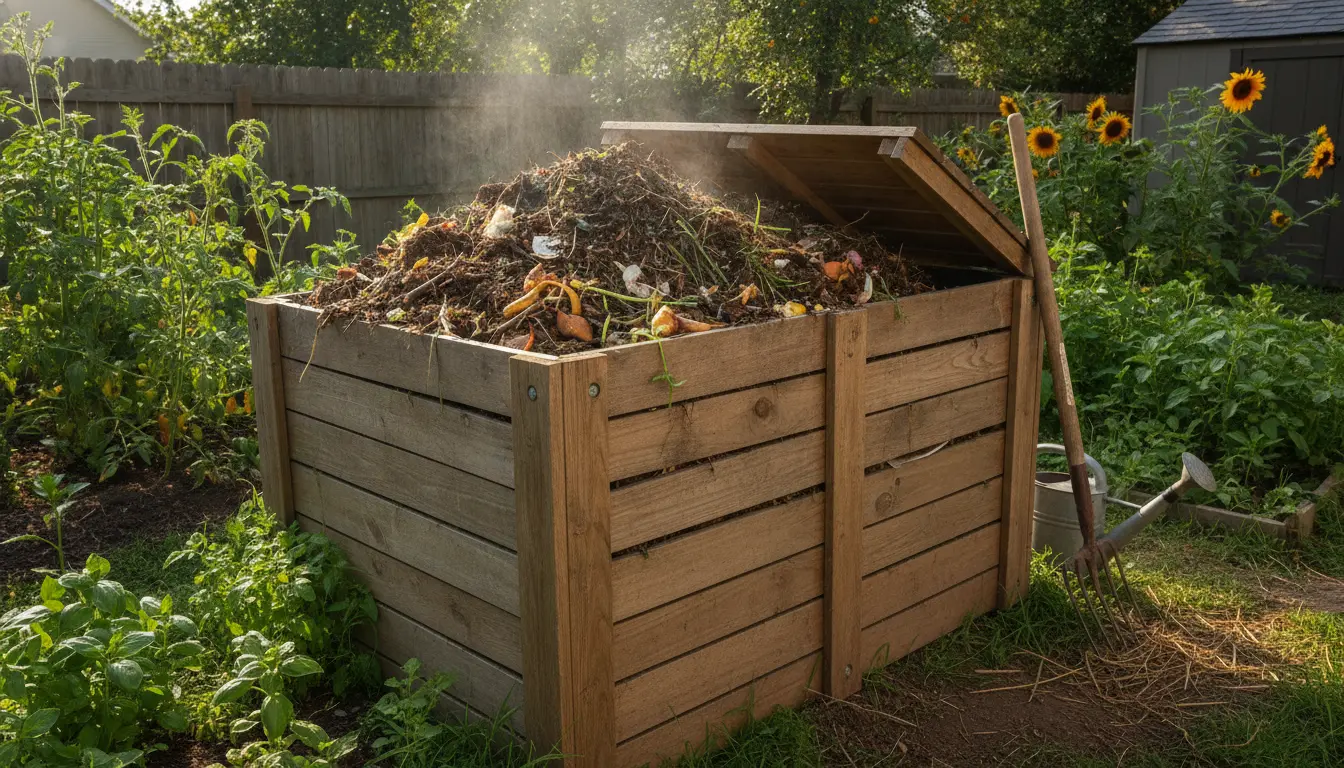
Why Home Composting Matters
Home composting reduces household waste and creates nutrient-rich material for gardens. It closes the loop by returning organic matter to soil instead of sending it to landfill.
Composting helps retain moisture in soil, improves structure, and supports beneficial microbes. These benefits apply whether you have a backyard or a small balcony.
What You Can Compost at Home
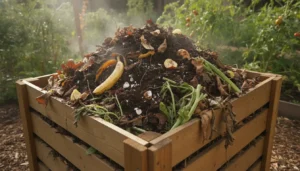
Most kitchen scraps and yard waste compost well. The easiest items include fruit and vegetable peels, coffee grounds, eggshells, grass clippings, and dry leaves.
Avoid meat, dairy, oils, and diseased plants in small home piles because they attract pests and slow decomposition. For city composting, check local guidelines.
How to Start Home Composting
Starting is a few simple steps: pick a bin location, add the right mix, and maintain moisture and aeration. You don’t need special tools—basic items will work.
1. Choose a Location and Bin
Place your compost bin in a convenient, well-drained spot with some shade. Close access makes it easier to add scraps and manage the pile.
Options include tumblers, stationary bins, or simple open piles. Tumblers speed up turning; open piles are cheap and scalable.
2. Balance Greens and Browns
Compost needs a mix of green (nitrogen-rich) and brown (carbon-rich) materials. Aim for roughly 2 parts brown to 1 part green by volume.
- Greens: vegetable scraps, coffee grounds, fresh grass clippings.
- Browns: dry leaves, shredded paper, cardboard, straw.
3. Layer and Maintain
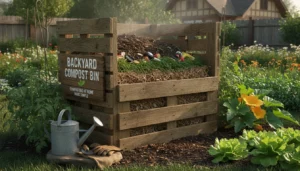
Layer materials rather than dumping everything in one spot. Start with coarse browns at the bottom for airflow, then alternate greens and browns.
Keep the pile moist like a wrung-out sponge. Turn the pile every 1–2 weeks to introduce oxygen and speed decomposition.
Troubleshooting Common Compost Problems
If your compost smells bad, it likely has too many greens or is too wet. Add dry browns and turn the pile to introduce air.
Slow decomposition can mean the pile is too small, too dry, or missing nitrogen. Add water, more greens, or combine with yard waste to increase mass.
Flies and Pests
To reduce flies, bury kitchen scraps under browns or use a closed bin. For rodents, use a metal or heavy plastic bin with a secure lid.
Temperature and Speed
Active composting heats the pile and can kill most weed seeds. For a hot pile, maintain size (at least 1 cubic meter in hot composting) and continue turning.
Composting diverts about 30% of typical household waste from landfills and can reduce methane emissions when organic matter is not buried anaerobically.
How to Use Finished Compost
Finished compost looks dark, crumbly, and earthy-smelling. Use it as a soil amendment, mulch, or potting mix ingredient.
Apply a 1–3 inch layer of compost to garden beds or mix 10–20% compost into potting soil to boost fertility. It improves water retention and nutrient availability.
Small Real-World Example
Case study: A two-person household started a 60-liter tumbler in spring. They added kitchen scraps and shredded cardboard in alternating layers and turned the tumbler twice a week.
After four months they had usable compost. They applied it to container tomatoes and saw fuller foliage and earlier fruiting compared with the previous year.
Practical Tips and Checklist for Successful Home Composting
- Start small: a 40–60 liter bin is enough for beginners.
- Chop larger items to speed decomposition.
- Keep a kitchen caddy for scraps to avoid odors and make transfers easy.
- Use garden gloves and a pitchfork for turning if you have a larger pile.
- Record what you add if you’re troubleshooting—ratios and materials matter.
Getting Started with Home Composting
Home composting is low-cost and easy to learn. With the right balance of materials and simple maintenance, most households can produce rich compost in a few months.
Pick a bin, collect your scraps, and try one batch. Adjust the mix and turning frequency based on results and local climate, and you’ll quickly gain confidence.