
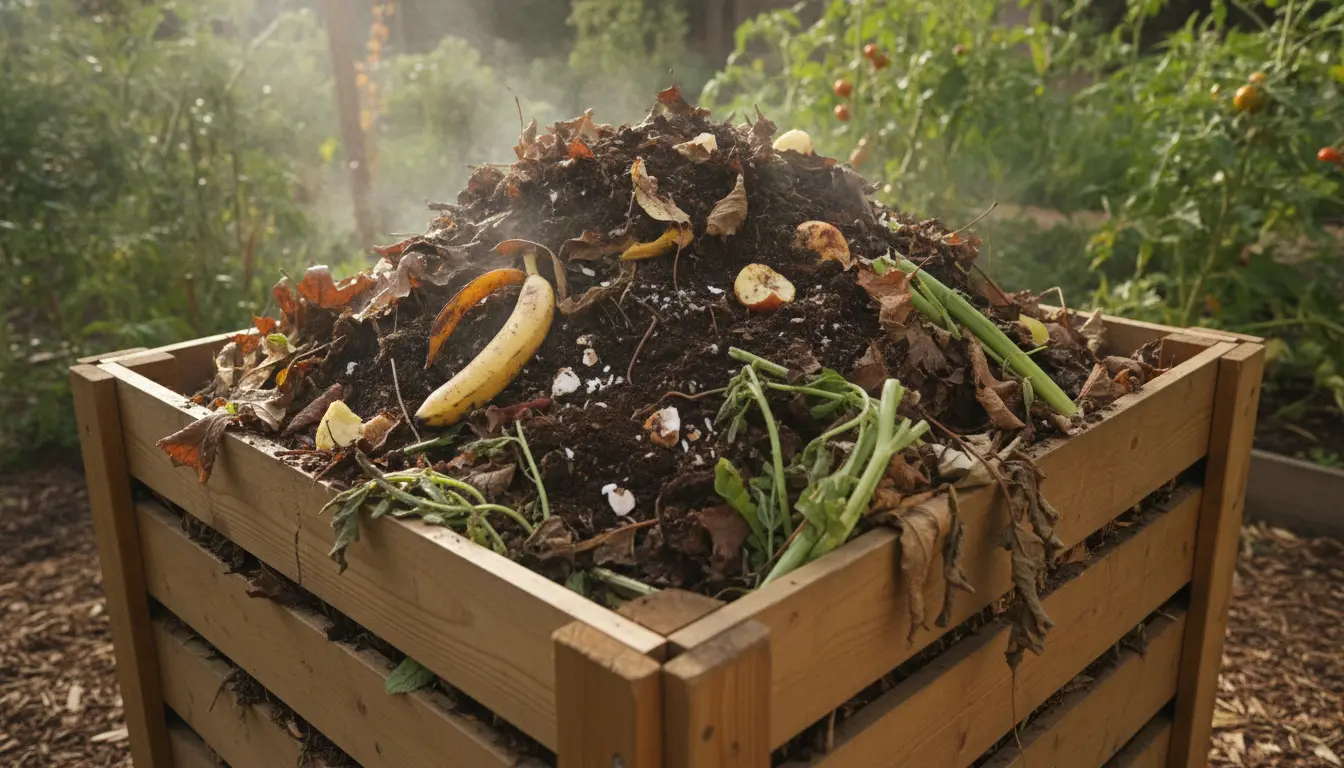
What Is Home Composting for Beginners
Home composting for beginners is the process of turning household organic waste into a nutrient-rich soil amendment. It uses natural decomposition of kitchen scraps, yard waste, and paper to create compost you can use in gardens or pots.
This guide focuses on simple, low-cost methods that work for most households, including actionable steps and common pitfalls to avoid.
Why Start Home Composting for Beginners
Composting reduces trash, lowers methane emissions, and returns nutrients to soil. For beginners, it also saves money on soil amendments and improves plant health.
Starting at home is practical: you control inputs, speed up results with simple techniques, and learn by doing.
Basic Principles of Home Composting for Beginners
Composting requires three main elements: carbon, nitrogen, and oxygen. Balance these and microbes will break down materials efficiently.
- Carbon (brown): dry leaves, shredded paper, cardboard
- Nitrogen (green): vegetable scraps, coffee grounds, grass clippings
- Oxygen: turning or aerating the pile regularly
A good rule is roughly 3 parts carbon to 1 part nitrogen by volume. Moisture should feel like a wrung-out sponge.
How to Start Home Composting for Beginners
Choose a composting method that fits your space and time. Here are three common options for beginners:
- Open pile: Cheap and flexible for yards, but requires space and turning.
- Compost bin: Contained, tidier, and easier to maintain; available in many sizes.
- Tumbler: Fast and convenient for small yards; you turn the bin by rotating it.
Steps to begin:
- Pick a location with partial sun and good drainage.
- Layer coarse browns first (twigs or shredded cardboard) to aid airflow.
- Add greens and browns in roughly the recommended ratio.
- Moisten as you add materials; avoid waterlogging.
- Turn or aerate every 1–2 weeks to speed decomposition.
What to Add and What to Avoid
Common items you can compost include fruit and vegetable scraps, eggshells, coffee grounds, tea bags (without staples), yard trimmings, and shredded paper.
Avoid meat, dairy, oily foods, diseased plants, and pet waste to prevent odors and pests.
Speeding Up Results for Home Composting for Beginners
Beginners often want compost quickly. Here are practical tips to accelerate the process:
- Chop or shred materials to increase surface area.
- Keep the pile moist but not soggy.
- Turn the pile to add oxygen and distribute heat.
- Layer greens and browns instead of dumping large amounts of one type.
With these practices, you can expect usable compost in 2–6 months depending on method and climate.
Troubleshooting Common Problems
Beginners may encounter odors, pests, or slow decomposition. Quick checks help diagnose issues.
- Smelly pile: Likely too wet or too many greens. Add browns and turn the pile.
- Pests: Avoid meat and dairy, cover food scraps with finished compost or browns.
- Slow breakdown: Increase nitrogen (greens), chop materials, and aerate more often.
Compost can heat up to 140°F (60°C) in well-managed piles, killing many weed seeds and pathogens. Small backyard piles typically stay cooler but still create valuable humus.
Small Real-World Example: A Quick Case Study
Laura, a renter with a small balcony, started a worm bin using a compact plastic tub and red wiggler worms. She collected kitchen scraps in a sealed container and added shredded paper as bedding.
Within three months Laura had rich worm castings to top her potted herbs. She reduced weekly trash volume and noticed healthier basil and mint after applying a light layer of compost.
This case shows even small-space composting methods work well for beginners when matched to available space and commitment.
Tips for Long-Term Success with Home Composting for Beginners
Make composting a routine: keep a small countertop scrap bin, and empty it into your compost system every few days. Label bins and keep tools nearby to lower friction.
Keep a simple log: track turning, moisture adjustments, and what you add. This helps you learn patterns and improve results season to season.
Uses for Finished Compost
- Mix into potting mixes for seedlings and container plants.
- Top-dress vegetable beds in spring and fall.
- Use as a soil conditioner to improve structure and water retention.
Final Practical Checklist
- Choose a method: pile, bin, or tumbler.
- Balance browns and greens roughly 3:1.
- Keep moisture at sponge level and aerate regularly.
- Avoid meat, dairy, and pet waste to prevent pests.
- Be patient: expect 2–6 months for usable compost.
Home composting for beginners is manageable, low-cost, and rewarding. Start small, monitor your pile, and adjust as you learn. Over time you will produce a valuable soil amendment and reduce household waste at the same time.