
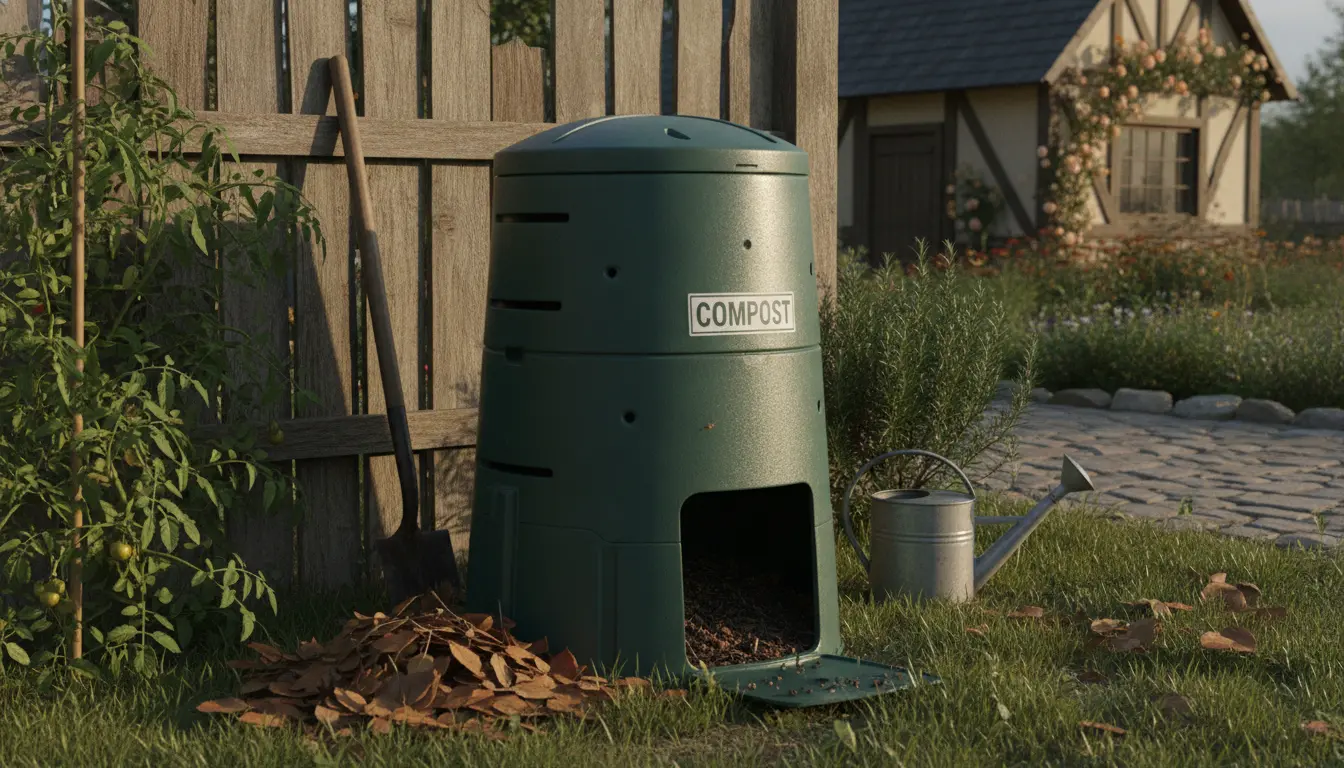
Why Home Composting Matters
Home composting reduces organic waste, improves soil health, and saves money on fertilizers. It is a simple, practical way to close the loop between kitchen and garden.
This guide shows straightforward steps you can follow to begin composting at home, whether you have a backyard, balcony, or a small kitchen.
How to Start Home Composting for Beginners
Starting composting is a matter of choosing a method, preparing a bin, and balancing materials. You do not need special equipment to get started.
Follow these basic steps to begin: choose a container, gather materials, layer greens and browns, and keep the pile moist and aerated.
Home Composting for Beginners: Choosing a Method
There are three common methods for beginners: cold pile, compost tumbler, and vermicomposting. Pick one based on space and how quickly you want compost.
- Cold pile: Low effort, larger space, slower breakdown (6–12 months).
- Compost tumbler: Enclosed container, easy turning, faster (2–4 months).
- Vermicomposting: Uses worms, ideal for apartments and small spaces.
Setting Up a Bin
Select a bin that fits your space. For gardens, a 3×3 foot bin works well. For balconies, a small tumbler or worm bin is best.
Place the bin on soil or a breathable surface to allow drainage and access for beneficial organisms. If using a tumbler, position it where it gets partial sun to help microbes break down material.
What to Compost
Balance “greens” (nitrogen-rich) and “browns” (carbon-rich) for healthy decomposition. Aim for roughly 2:1 or 3:1 browns to greens by volume.
- Greens: vegetable scraps, fruit peels, coffee grounds, fresh grass clippings.
- Browns: dry leaves, shredded cardboard, paper, straw, wood chips.
Avoid meat, dairy, oily foods, diseased plants, and pet waste. These materials attract pests and slow the process.
Maintaining Your Compost
Key factors are aeration, moisture, and particle size. Turn or mix the pile every 1–2 weeks for faster results and to prevent odors.
Keep the pile as damp as a wrung-out sponge. Add water during dry spells and add dry browns if it becomes too wet.
Troubleshooting Common Problems
Bad smells usually mean too many greens or poor aeration. Add brown materials and turn the pile to introduce air.
Slow decomposition can result from large pieces or an imbalanced mix. Chop materials, add nitrogen (greens), and increase aeration.
- Flies: cover fresh food with a layer of brown material.
- Rodents: avoid meat and use a secure, enclosed bin.
- Dry pile: add water and green material.
Using Finished Compost
Compost is ready when it looks crumbly and smells earthy. This usually takes 2–12 months depending on method and conditions.
Apply finished compost as topdressing, mix into potting soil, or use as a seed-starting amendment. A thin layer around plants will improve moisture retention and nutrient content.
Composting one household can cut organic waste to landfills by up to 30 percent and reduce methane emissions from landfills.
Home Composting for Beginners: Quick Checklist
- Choose a bin (cold pile, tumbler, or worm bin).
- Gather materials: mix browns and greens.
- Maintain moisture and aeration; turn regularly.
- Watch for pests and odors; troubleshoot promptly.
- Harvest finished compost when crumbly and dark.
Small Real-World Example
Case study: A two-person household in Seattle started with a 50-gallon tumbler. They added kitchen scraps and shredded cardboard, turning twice a week.
After three months they had usable compost for their balcony planters. They reduced kitchen waste by around 60 percent and reported healthier herbs and tomato plants the next season.
Practical Tips for Success
Start small and build confidence. If you are unsure about balance, add more browns—they are forgiving and reduce odor risk.
Use a kitchen compost bucket with a lid to collect scraps, and empty it into your bin every few days. Label a small bin for seasonal leaf collection to supply browns in autumn.
Final Steps for Home Composting for Beginners
Regular attention—turning, checking moisture, and keeping a balance—will make composting easy and rewarding. It is a sustainable habit with clear benefits for soil and waste reduction.
Choose a method that fits your space and schedule, follow the checklist above, and adjust as you gain experience. Composting is a practical skill anyone can learn and improve over time.