
Why start a vegetable garden
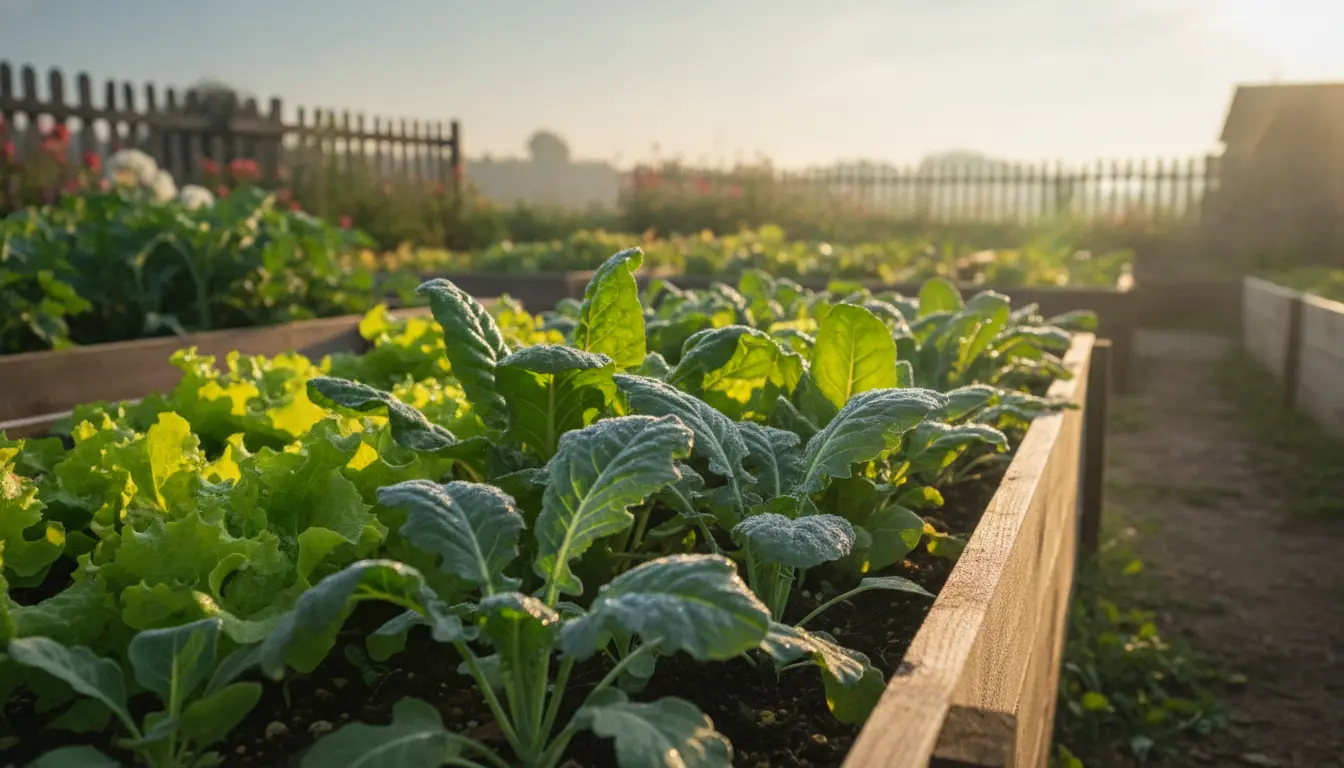
Starting a vegetable garden saves money, improves food quality, and gives you control over how food is grown. It can fit a backyard, balcony, or community plot.
This guide explains practical steps to start a vegetable garden so you get predictable results in the first season.
How to start a vegetable garden in 8 practical steps
Follow these concise steps to set up a productive plot. Each step includes quick tips and examples you can apply immediately.
1. Plan where to start a vegetable garden
Choose a location with 6–8 hours of direct sunlight and easy access to water. Note any shade during the day and track sun exposure for a week.
- Prefer south-facing yards for maximum sun.
- Consider container or vertical gardening for limited space.
- Avoid low spots that collect standing water.
2. Test and prepare soil before you start a vegetable garden
Healthy soil is the foundation. Use a simple soil test kit to measure pH and nutrients.
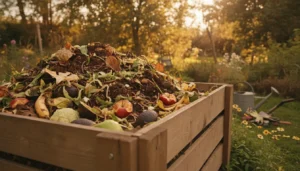
Amend soil based on results: add compost for structure and slow-release organic fertilizer for nutrients.
3. Choose the right crops to start a vegetable garden
Pick easy, fast-growing vegetables for your first season. Good choices include lettuce, radishes, bush beans, and cherry tomatoes.
Consider:
- Climate and frost dates — check local last frost and first frost dates.
- Space — vining crops need more room than compact varieties.
- Your preferences — grow what you will actually eat.
4. Planting schedule to help you start a vegetable garden
Create a simple calendar with planting dates for seeds and transplants. Use seed packet instructions and local frost dates as a guide.
Example schedule:
- Early spring: peas, spinach, radishes
- After last frost: tomatoes, peppers, beans
- Late summer: fall lettuce, kale, carrots
5. Watering and irrigation when you start a vegetable garden
Most vegetables need 1–1.5 inches of water per week. Water deeply and infrequently to encourage strong roots.
Options:
- Soaker hoses or drip irrigation for consistent moisture.
- Mulch to reduce evaporation and suppress weeds.
6. Maintain pest and disease control in your garden
Use an integrated approach: cultural, physical, and organic controls first. Rotate crops and remove diseased plants promptly.
- Handpick pests and use floating row covers for early protection.
- Introduce beneficial insects and avoid broad-spectrum pesticides.
7. Harvest and extend yields after you start a vegetable garden
Harvesting regularly encourages more production. Pick lettuce outer leaves or tomatoes when ripe to improve yield.
Successive plantings (succession sowing) keep beds productive throughout the season.
8. Improve soil and plan for next season
At season end, add a layer of compost and consider cover crops to restore nutrients and reduce erosion.
Record what worked and any problems to refine your plan next year.
Small real-world example: urban raised bed case study
Case study: Anna, an apartment renter, started a 4 x 4 foot raised bed on a sunny balcony. She used a soil mix (50% compost, 30% topsoil, 20% coconut coir) and planted:
- 2 determinate tomato plants
- 1 bush cucumber
- Three rows of lettuce spaced for succession harvest
- Basil and chives as companions
Results: By week 12, Anna harvested weekly salads and 20–25 pounds of tomatoes over the season. Consistent watering with a soaker hose and weekly compost tea reduced pest problems.
Tools and supplies checklist to start a vegetable garden
- Soil pH test kit
- Raised bed or containers
- Compost and organic fertilizer
- Mulch, soaker hose, basic hand tools
- Seed packets or starter plants
Quick troubleshooting when you start a vegetable garden
Common problems and quick fixes:
- Yellowing leaves — test for nutrient deficiency and adjust fertilizer.
- Wilting despite watering — check root health and drainage.
- Pests — use physical barriers or vegetable-safe insecticidal soap.
A 100 square foot vegetable garden can produce more than 1,000 pounds of food in a full season with intensive planting and proper care.
Next steps to start your vegetable garden
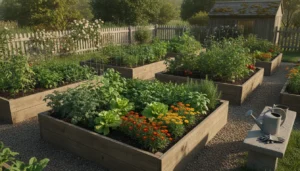
Start small, keep records, and expand once you achieve reliable harvests. A simple 4 x 8 bed is an ideal first project for most beginners.
Follow the steps above, adapt to your space, and learn from the first season to grow a productive garden year after year.