
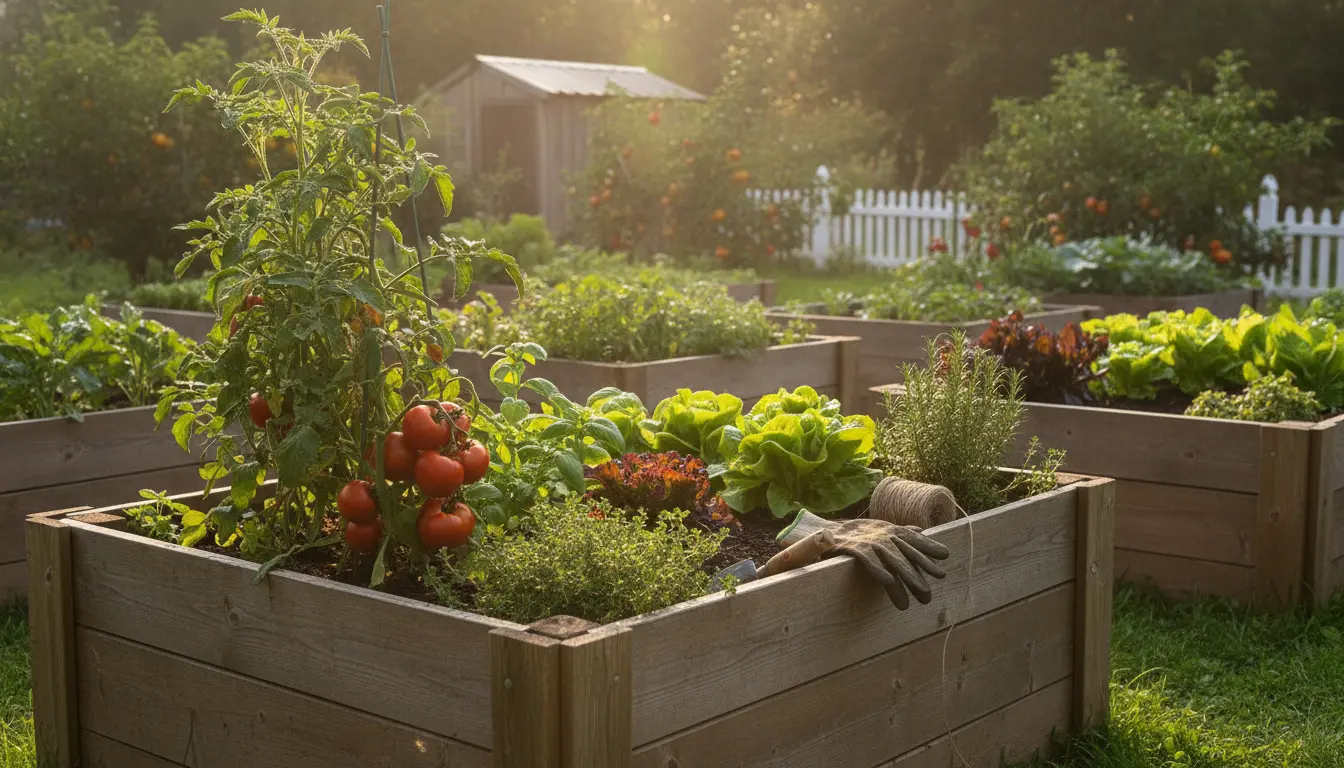
How to Start a Vegetable Garden: Overview
Starting a vegetable garden is a practical way to grow fresh food and save money. This guide explains the essential steps so you can plan, plant, and maintain a productive garden.
How to Start a Vegetable Garden: Plan Before You Dig
Good planning makes the difference between a hobby plot and a reliable food source. Begin with a simple plan that fits your space, time, and climate.
- Decide the garden size based on available sunlight and maintenance time.
- List vegetables you and your family eat most to prioritize crops.
- Check your local frost dates and growing season length.
Choosing Site and Soil for Your Vegetable Garden
Location matters. Most vegetables need at least 6 hours of direct sunlight and well-draining soil.
Test your soil texture and drainage by digging a small hole and filling it with water. If it drains within a few hours, drainage is likely OK.
Raised Beds, In-Ground, or Containers
Choose the planting method that fits your yard and budget. Raised beds warm faster and are easier to manage for weed control.
- Raised beds: Good for improving soil quality quickly.
- In-ground: Best when you have healthy native soil.
- Containers: Ideal for patios or limited space.
How to Start a Vegetable Garden: Prepare the Soil
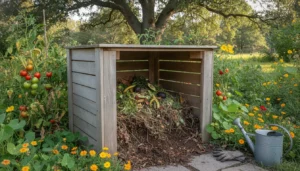
Healthy soil supports healthy plants. Focus on organic matter, structure, and pH.
Work compost into the top 6–12 inches of soil. If pH is extreme, amend accordingly with lime or sulfur after testing.
Soil Amendments and Mulching
Use compost, well-rotted manure, or leaf mold to boost fertility and moisture retention. Avoid raw manure and excessive nitrogen for seedlings.
Apply 2–3 inches of organic mulch after planting to suppress weeds and conserve moisture.
How to Start a Vegetable Garden: Choose Easy Crops
For beginners, select crops that are forgiving and reliable. Leafy greens, radishes, bush beans, and tomatoes (from healthy starts) are good choices.
- Quick wins: Salad greens, radishes, and green onions.
- Higher payoff: Tomatoes, peppers, and beans.
- Low effort: Herbs like basil, chives, and parsley.
Succession Planting and Crop Rotation
Use succession planting to maximize harvests by staggering sowing dates. Rotate families each year to reduce pest pressure and disease buildup.
How to Start a Vegetable Garden: Planting and Watering
Follow seed packet instructions for spacing and depth. Transplants need a firming-in and regular water until established.
Water deeply and less often rather than shallow daily watering. Aim for consistent moisture in the root zone.
Examples of Watering Schedules
- Sandy soil: Check daily; water more frequently but smaller amounts.
- Loam/clay soil: Water deeply twice a week during dry spells.
- Containers: Often need daily watering in hot weather.
How to Start a Vegetable Garden: Pest and Disease Basics
Start with prevention: good airflow, healthy soil, and correct spacing reduce many problems. Monitor plants weekly to catch issues early.
- Hand-pick large pests like slugs and caterpillars in the morning.
- Use row covers for seedlings when insect pressure is high.
- Remove diseased foliage promptly and avoid overhead watering late in the day.
How to Start a Vegetable Garden: Maintenance and Harvest
Routine tasks include weeding, staking plants, and occasional feeding with balanced organic fertilizer. Keep records of plant dates and yields to improve next season.
Harvest vegetables at recommended maturity for best flavor and to encourage continuous production.
Many common vegetables mature faster than people expect: radishes can be ready in as little as 25–30 days, and baby salad greens can be harvested in 3–4 weeks.
Small Real-World Example: A Backyard 4×8 Raised Bed
Case study: Sarah converted a 4×8 foot patch into a raised bed and followed a simple plan. She planted lettuce and radishes in early spring, tomatoes and peppers midseason, and spinach as a fall crop.
Results: In the first season she harvested weekly salad greens for two months, four tomato plants produced about 30–40 pounds of fruit combined, and she saved roughly $200 compared with store-bought equivalents.
How to Start a Vegetable Garden: Quick Checklist
- Choose a sunny site and test drainage.
- Decide between raised bed, in-ground, or containers.
- Improve soil with compost and test pH if unsure.
- Select easy crops and plan sowing dates around frost.
- Water deeply, mulch, and monitor for pests weekly.
- Harvest at peak maturity and keep simple records.
Final Tips for How to Start a Vegetable Garden
Start small and expand as you gain confidence. Focus on a few reliable crops and learn from each season.
Gardening is iterative. Keep notes, learn what grows well in your microclimate, and adjust soil and planting schedules over time.