
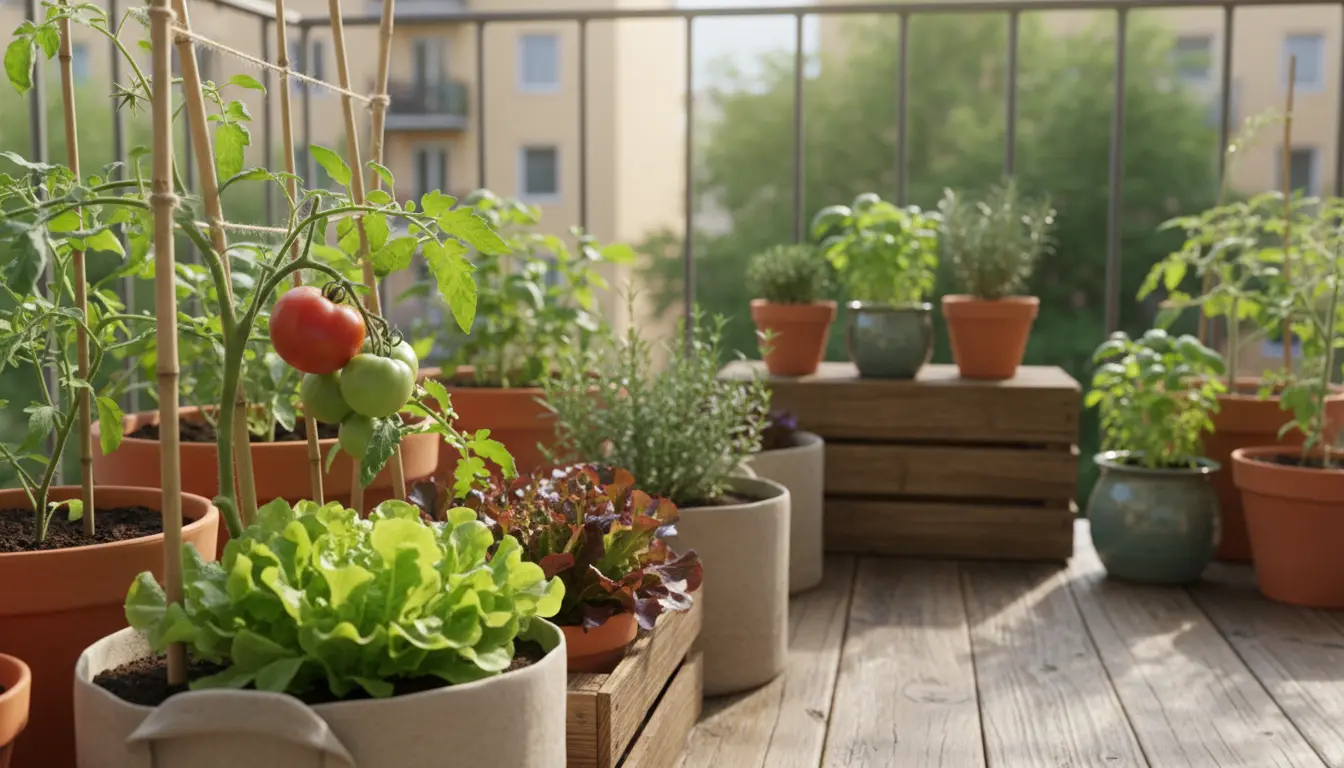
Why start a vegetable garden at home
Growing a vegetable garden at home saves money, improves food freshness, and connects you to the seasons. It can fit any space: a backyard, balcony, or even a sunny windowsill.
This guide shows practical, step-by-step actions to start and maintain a small vegetable garden at home.
Choose the right site for a vegetable garden at home
Most vegetables need 6–8 hours of direct sunlight. Observe your property for a few days to find the sunniest spot.
If you lack ground space, choose containers on a bright balcony or patio. Good drainage and easy access to water are essential.
Site checklist
- At least 6 hours of sunlight daily
- Flat or gently sloped ground to avoid water pooling
- Close to a water source for easy watering
- Protected from strong winds or heavy foot traffic
Plan what to grow in your vegetable garden at home
Start with easy, productive crops. Choose varieties suited to your climate and season.
Beginner-friendly vegetables include:
- Tomatoes and cherry tomatoes
- Lettuce and salad greens
- Radishes and carrots
- Beans and peas
- Herbs like basil, parsley, and chives
Design tips
- Use spacing guides on seed packets for bed layout.
- Group plants by water needs to simplify irrigation.
- Rotate crops yearly to reduce pest and disease buildup.
Prepare soil for a successful vegetable garden at home
Good soil is the foundation of a productive garden. Test and improve soil before planting for best results.
Soil preparation steps
- Test soil pH and nutrient levels with a basic kit.
- Amend heavy clay with compost and coarse sand for drainage.
- Mix 2–4 inches of compost into the top 6–8 inches of soil.
- Use raised beds or containers if soil is poor or compacted.
Planting and timing for your vegetable garden at home
Timing depends on your climate and the crop. Use local frost dates and planting calendars for accuracy.
Start seeds indoors for long-season crops like tomatoes, or sow quickly maturing seeds like radishes directly outdoors.
Planting tips
- Direct sow root crops and leafy greens in cool weather.
- Transplant warm-season seedlings after last frost.
- Thin seedlings to prevent overcrowding and improve airflow.
Watering and feeding your vegetable garden at home
Consistent water is critical. Most vegetables prefer deep, infrequent watering rather than light daily sprinkling.
Mulch around plants to reduce evaporation and suppress weeds.
Watering schedule
- Water deeply 1–2 times per week depending on weather.
- Increase frequency during hot spells or for container plants.
- Morning watering reduces disease risk by allowing foliage to dry.
Feeding
Use a balanced organic fertilizer or compost tea midway through the season. Follow package rates to avoid overfeeding.
Pest and disease basics for a vegetable garden at home
Preventive practices reduce pests and diseases more than reactive treatments. Healthy plants are more resistant to problems.
Preventive measures
- Rotate crops and avoid planting same family in the same bed each year.
- Use row covers to protect young plants from insects.
- Encourage beneficial insects with flowering herbs and companion plants.
Maintenance tasks for a thriving vegetable garden at home
Regular tasks keep the garden productive. Aim for short, frequent check-ins instead of long, infrequent sessions.
Weekly checklist
- Inspect plants for pests and signs of disease
- Remove weeds and replenish mulch if needed
- Harvest ripe produce to encourage further production
Adding a single inch of compost to one square yard of soil can improve water retention, soil structure, and nutrient availability for months.
Small case study: Balcony tomato success
Anna, a city renter, used a 4×2 foot balcony and three 10-inch containers to start a vegetable garden at home. She grew two determinate tomatoes and a pot of basil.
She prepared a potting mix with compost and perlite, placed containers in full sun, and used a drip emitter on a timer for consistent watering. By mid-summer she harvested daily salads and a steady supply of tomatoes.
Key takeaways from her case:
- Choose appropriate container sizes for root space.
- Consistent watering and quality potting mix matter more than fertilizer.
- Pairing herbs with vegetables saved space and attracted pollinators.
Quick starter checklist to start a vegetable garden at home
- Pick a sunny site or suitable containers
- Test and amend soil or buy quality potting mix
- Choose easy crops for your season
- Plant with correct spacing and depth
- Water deeply and mulch to retain moisture
- Inspect weekly and harvest promptly
Final tips for a lasting vegetable garden at home
Start small and expand as you learn. Keep notes on what you plant, dates, and results to improve next season.
Consistent care and observing plants regularly will yield productive results and a satisfying homegrown harvest.