
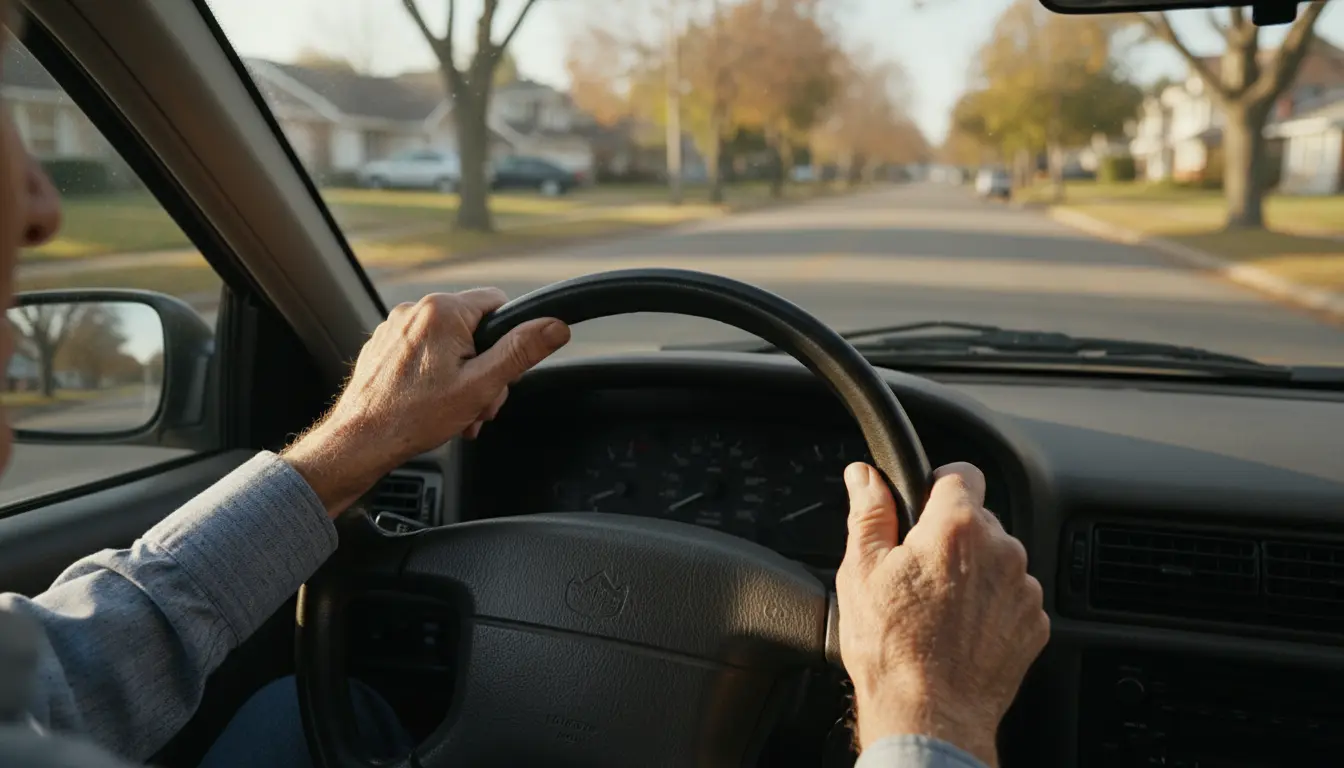
This article explains the new U.S. driving license rule for seniors that starts in November 2026 and how it will affect drivers aged 70 and older. Read practical steps, required documents, testing changes, and ways to prepare.
New U.S. Driving License Rule for Seniors: What Changes in Nov 2026
Starting November 2026, federal guidance will require states to adopt stronger verification and testing standards for drivers aged 70 and older. The goal is improved road safety while keeping seniors mobile when they are fit to drive.
Each state will implement the rule through its motor vehicle agency, so exact processes and fees may vary. Expect a mix of document checks, medical or vision screenings, and periodic in-person testing in some states.
Impact on Drivers 70+: Tests, Renewals, and Documentation
Drivers 70 and older should plan for new renewal requirements that may include in-person visits to the DMV, vision checks, and possibly short knowledge or road tests. Paper or online-only renewals may no longer be available in all states for this age group.
Key elements to expect:
- Mandatory in-person renewal at designated intervals (often every 4–8 years).
- Standardized vision screening at renewal, with corrective-lens restrictions if needed.
- Possible cognitive or physical screening questions; follow-up medical evaluation if concerns arise.
Who Must Follow the New Rule
Drivers aged 70 and older at the time of renewal will be subject to the updated procedures. If you turn 70 after your current license is issued, the new requirements typically apply at your next renewal date.
If you hold a commercial license or specific endorsements, additional federal and state rules may still apply beyond this senior-focused change.
Vision and Medical Checks
Vision screening will be a standard part of the renewal process. If you fail a basic screening, the DMV will usually request a certified eye exam from a licensed optometrist or ophthalmologist.
Some states may require a medical report if the driver reports conditions that could impair driving, such as uncontrolled diabetes or recent neurological events.
How to Prepare Before Nov 2026
Start preparing now so your renewal goes smoothly. Avoid last-minute surprises by collecting required documents and scheduling tests early.
Practical steps to take:
- Check your state DMV website for the exact senior renewal rules and appointment requirements.
- Schedule a vision test with your eye doctor and bring written results if required.
- Gather identity documents: current license, proof of residency, and proof of citizenship or lawful presence.
- Ask your primary care provider for a medical assessment if you have health concerns that might affect driving.
Documents You May Need
Typical documents requested at renewal include a current license, a government-issued ID or passport, two proofs of address, and your Social Security number. Check your state list in advance to avoid delays.
If you plan to renew on behalf of someone else, note that many DMVs restrict third-party renewals for older drivers; the driver may need to appear in person.
Costs, Timing, and Appointment Tips
Expect possible additional fees for in-person testing or extended licensing processes. Fees differ by state and may include testing, medical review, or new license issuance charges.
Appointment tips:
- Book DMV appointments early; renewal windows will create demand, especially in November 2026 and the months after.
- Confirm whether walk-ins are allowed in your state; many offices now require appointments for seniors.
- Bring comfortable documentation copies and a list of your current medications in case medical review is needed.
What If a Driver Fails a Screening
If a driver does not pass a vision or medical screening, options usually include a temporary restricted license, a referral for a medical exam, or conditional driving privileges like daylight-only driving.
In many states you can request a hearing or appeal the decision. The DMV will provide instructions on next steps and timelines for retesting or submitting medical documentation.
Practical Safety Steps for Drivers 70+
Beyond compliance, seniors should consider self-monitoring and practical safety steps to extend safe driving ability.
- Take a driving refresher course through AARP or local community colleges.
- Limit night driving, high-speed highways, or heavy traffic if you notice slower reaction time.
- Adjust your vehicle: larger mirrors, seat position, and simple tech for lane assist if available.
Many states already offer free or low-cost driving assessments and on-road refresher courses specifically designed for drivers aged 65 and older. These services can improve confidence and identify simple adjustments that extend safe driving years.
Case Study: One Driver’s Experience
Mary is a 73-year-old driver in Ohio who renewed her license in December 2026 after the new rule took effect. She scheduled an appointment early, brought her eye exam results, and completed a short cognitive questionnaire at the DMV.
Mary’s vision was corrected with glasses, and she was issued a standard license with a note requiring corrective lenses while driving. The process took one morning and cost a modest renewal fee. She also enrolled in a local refresher course recommended by the DMV.
Final Checklist for Drivers 70+
Use this quick checklist to prepare for your next renewal under the new rule.
- Check state DMV rules for seniors and required documents.
- Schedule a vision test and bring the written report.
- Gather identity and residency proof before your appointment.
- Book your DMV appointment early to avoid long waits.
- Consider a driving refresher course to stay safe and confident.
Following these steps will help seniors comply with the new U.S. driving license rule starting in November 2026 while staying mobile and safe. If you have health concerns, talk with your doctor early to address issues before renewal time.