
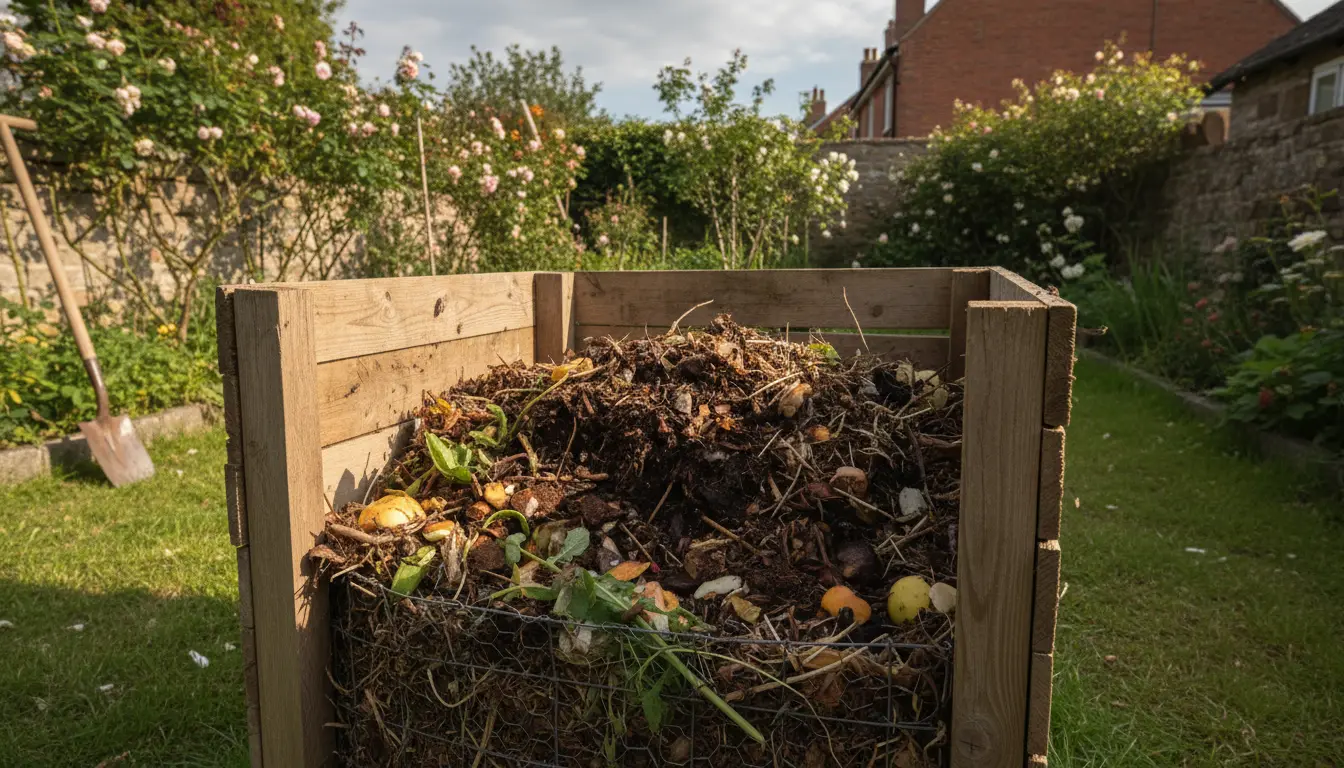
Home Composting Basics
Home composting turns kitchen scraps and yard waste into nutrient-rich soil amendment. It reduces landfill waste and improves garden health.
This guide explains simple steps, maintenance practices, and troubleshooting for successful home composting.
Why Choose Home Composting
Composting at home reduces trash volume, lowers greenhouse gas emissions from landfills, and produces free compost for plants. It is suitable for apartments, small yards, and large gardens.
With basic tools and habits, most households can maintain a healthy compost system year-round.
Key Materials for Home Composting
Successful composting depends on mixing carbon-rich and nitrogen-rich materials. Balance and moisture management are essential.
Greens (Nitrogen)
- Vegetable and fruit scraps
- Coffee grounds and tea leaves
- Fresh grass clippings
Browns (Carbon)
- Dry leaves and straw
- Shredded paper and cardboard (no glossy print)
- Woody prunings in small pieces
Other Helpful Additions
- Garden soil to introduce microbes
- Eggshells crushed for calcium
- A slow-release source of nitrogen like manure (optional)
Choosing a Bin for Home Composting
Pick a bin that matches your space and output. Options include tumblers, stationary bins, and simple open piles.
Tumblers speed up decomposition and reduce pests, while stationary bins are budget-friendly and easy to build.
Small-Space Options
- Countertop worm bin for apartment food scraps (vermicomposting)
- Compact tumblers on balconies
- Sealed countertop pails to collect scraps for transfer
How to Start: Layering and Ratios
Start your bin with a 4–6 inch base of coarse browns to aid airflow. Add layers of greens and browns, aiming for roughly a 1:2 ratio by volume (greens to browns).
Chop larger items and mix layers to speed decomposition. Add a handful of garden soil or finished compost to seed microbes.
Maintenance: Aeration, Moisture, and Temperature
Turn or tumble the pile every 1–2 weeks to introduce oxygen. Oxygen supports the aerobic bacteria that do the bulk of decomposition.
Keep the pile moist like a wrung-out sponge. Too dry slows microbes; too wet creates odors and anaerobic conditions.
Temperature Guide
- Cold composting: slow, low-maintenance (less heat)
- Hot composting: fast, needs higher green input and turning (130–160°F/55–70°C)
Troubleshooting Common Problems
If the pile smells rotten, add more browns and turn to add air. Odors usually mean too much moisture or not enough carbon.
If decomposition is very slow, check moisture and chopping size; adding more greens and occasional turning will help.
Pests and Flies
- Use enclosed bins or tumblers when dealing with rodents.
- Bury food scraps inside the pile and cover fresh layers with browns.
- Avoid meat, dairy, and oily foods if pests are a concern.
Harvesting and Using Finished Compost
Finished compost looks dark, crumbly, and earthy. Depending on method, that can take 2 months (hot) to a year (cold).
Use finished compost as top dressing, soil amendment, or potting mix ingredient to improve structure and nutrient content.
Seasonal Tips for Home Composting
In cold climates, insulate the bin with straw or move smaller bins to a sheltered spot. Hot composting generates its own heat if managed properly.
In wet seasons, add more browns and ensure good drainage to prevent waterlogging.
Composting can reduce household waste by up to 30 percent and cut methane emissions from landfills. A well-managed home compost pile can reach temperatures that kill many common weed seeds and pathogens.
Small Real-World Case Study: Apartment Compost Success
Example: Maria lives in a two-bedroom apartment and produced about 5 kg of food scraps per month. She used a 10-liter vermicompost bin with red worms and a sealed kitchen caddy to collect scraps.
After three months she had rich compost for her balcony herbs. Her system reduced trash volume and cut down grocery waste, and she now uses compost to boost her tomato yields.
Quick Checklist to Start Home Composting
- Choose a bin type that fits your space and pest risk.
- Collect greens and browns separately for easy mixing.
- Maintain moisture like a wrung-out sponge and turn regularly.
- Monitor smell, moisture, and temperature; adjust as needed.
Final Tips for Success in Home Composting
Start small and learn by doing. Keep notes on what you add and how the pile responds for better results over time.
Composting is flexible: adjust methods to suit your routine and space. Even small compost habits make a measurable environmental impact.