
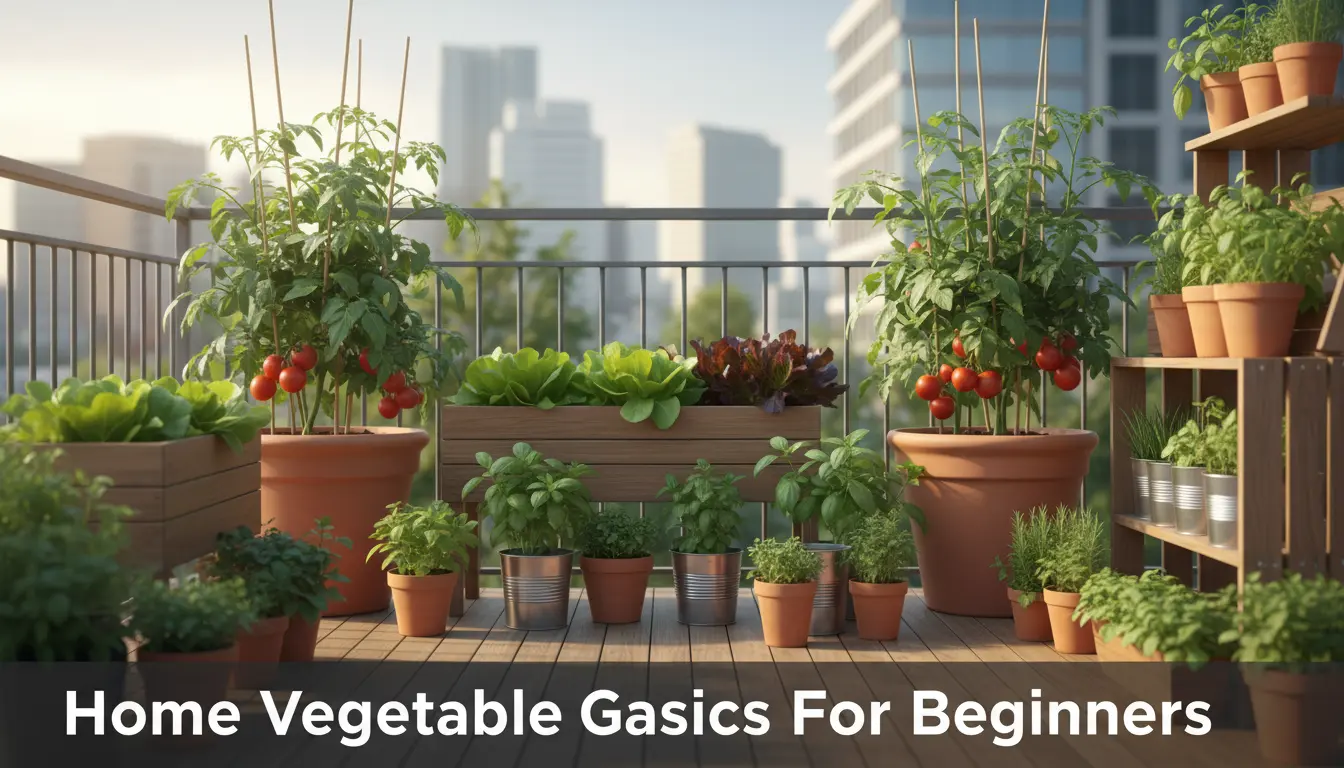
Starting a home vegetable garden is a practical way to grow fresh food, save money, and enjoy time outdoors. This guide covers essential steps and clear instructions you can follow whether you have a backyard, balcony, or small patio.
Planning Your Home Vegetable Garden
Good planning reduces mistakes and increases yields. Decide how much time you can commit, which vegetables you eat most, and whether you want raised beds or containers.
Set Goals for Your Home Vegetable Garden
List the vegetables you use often and choose a few easy crops first. For beginners, try lettuce, radishes, tomatoes, and herbs.
- Start small: one or two beds or a few containers.
- Choose quick-growing crops for early success.
- Plan for successive sowing to extend harvests.
Choose a Location for Your Home Vegetable Garden
Most vegetables need at least 6 hours of direct sunlight daily. Observe sun patterns for a week to find the brightest spot.
If you lack full sun, select shade-tolerant crops like leafy greens and root vegetables. Use containers to move plants to better light when needed.
Soil and Containers for Your Home Vegetable Garden
Healthy soil is the foundation of a productive garden. Test soil texture and drainage by digging a small hole and observing water flow.
Improve poor soil with compost and organic matter. For containers, use a high-quality potting mix labeled for vegetables to ensure good drainage and nutrients.
- Soil mix for beds: 60% topsoil, 30% compost, 10% coarse sand or perlite.
- Container size: at least 12 inches deep for most vegetables; larger for tomatoes and peppers.
Planting and Schedule for Your Home Vegetable Garden
Follow seed packet instructions for depth and spacing. Note your local last frost date and plan cool-season and warm-season plantings accordingly.
Crop Timing Tips
Sow cool-season crops (lettuce, peas, spinach) before last frost. Wait to plant warm-season crops (tomatoes, beans, cucumbers) until after frost danger passes.
- Succession planting: sow small amounts every 2–3 weeks for continuous harvest.
- Interplanting: mix fast-growing crops between slower ones to maximize space.
Watering, Feeding, and Maintenance
Consistent moisture is critical. Water deeply and less frequently to encourage strong root systems. Mulch around plants to retain soil moisture and suppress weeds.
Fertilize based on plant needs. Use balanced organic fertilizer or compost tea every 3–6 weeks for most vegetables.
Pest and Disease Management for Your Home Vegetable Garden
Inspect plants regularly for signs of pests or disease. Early detection makes treatment easier and less toxic.
- Use physical barriers like row covers to protect young plants.
- Encourage beneficial insects by planting flowers and herbs nearby.
- Remove affected leaves promptly to limit spread.
If pests are heavy, use targeted organic controls such as insecticidal soap or neem oil following label directions.
Harvesting and Storing Produce
Harvest vegetables at peak ripeness for best flavor and nutrition. Pick regularly to encourage more production, especially for crops like beans and zucchini.
Store produce properly: leafy greens in cool, moist conditions; root crops in a root cellar or refrigerator; tomatoes at room temperature until fully ripe.
Beginner Mistakes to Avoid
- Overwatering or underwatering—check soil moisture before watering.
- Crowding plants leading to poor airflow and disease.
- Planting the wrong varieties for your climate—choose local-adapted seeds.
Many common vegetables are more cold-tolerant than people expect. Lettuce and spinach can tolerate light frosts, allowing early spring and late fall harvests in many regions.
Simple Case Study: A Small Balcony Success
Anna, a city renter, used three 12-inch containers and a 3×2-foot raised box to start her home vegetable garden last spring. She chose cherry tomatoes, basil, lettuce, and radishes.
By following consistent watering, adding compost, and rotating lettuce plantings every two weeks, she harvested fresh greens for her family for four months. Her upfront cost was under $150, and she reduced grocery lettuce purchases by half.
Quick Checklist to Start Your Home Vegetable Garden
- Select location with 6+ hours of sun or choose shade crops.
- Test and amend soil or buy quality potting mix for containers.
- Plan crops based on season and personal preference.
- Water deeply, mulch, and fertilize appropriately.
- Inspect weekly for pests and remove diseased growth.
- Harvest regularly and store produce correctly.
Starting a home vegetable garden is a step-by-step process. Keep records of what you plant and when, and adjust plans each season. With a small effort and consistent care, you can enjoy homegrown vegetables and steady improvement year after year.