
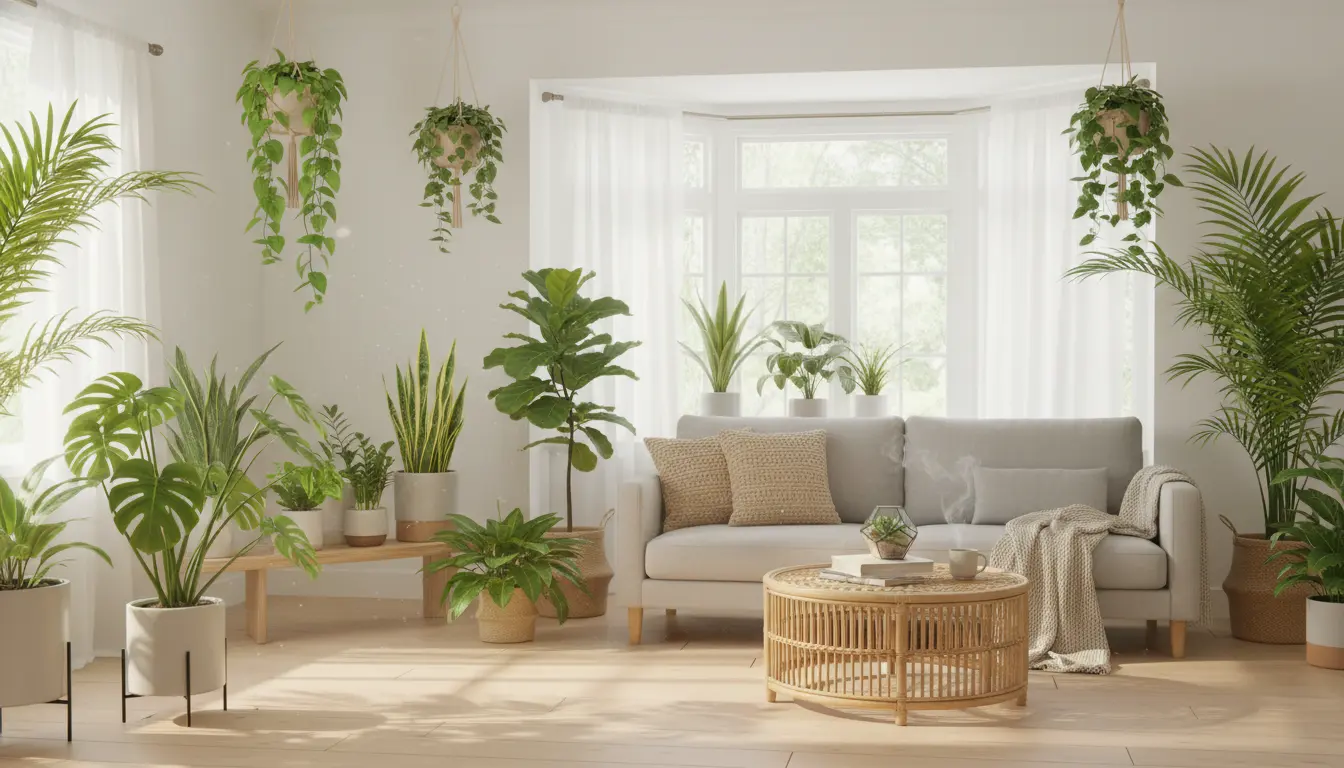
Understanding Indoor Air Quality
Indoor air quality is the measure of pollutants, humidity, and ventilation inside a building. Poor indoor air can affect sleep, comfort, and long-term health.
This guide explains practical steps to improve indoor air quality and shows simple upgrades you can implement without major renovation.
Common Pollutants That Affect Indoor Air Quality
Knowing what to reduce is the first step. Common indoor pollutants include:
- Particulate matter (dust, pet dander, smoke)
- Volatile organic compounds (VOCs) from paints, cleaners, and furniture
- Biological contaminants (mold, pollen, bacteria)
- Combustion gases (carbon monoxide, nitrogen dioxide)
Practical Steps to Improve Indoor Air Quality
Focus on three broad strategies: source control, ventilation, and cleaning/filtration. Each step reduces pollutant levels and improves comfort.
1. Source Control
Eliminating or reducing pollutant sources is the most effective measure. Simple changes can make a big difference.
- Choose low-VOC paints, finishes, and cleaning products.
- Avoid indoor smoking and open flames that produce soot.
- Store solvents and fuels in sealed containers outside living spaces.
- Inspect and fix water leaks immediately to prevent mold growth.
2. Ventilation to Improve Indoor Air Quality
Fresh air dilutes indoor pollutants. Use natural and mechanical ventilation based on your climate and building design.
- Open windows for cross-ventilation when outdoor air quality is good.
- Use exhaust fans in bathrooms and kitchens to remove moisture and cooking pollutants.
- Consider a mechanical ventilation system with heat recovery for tight homes.
3. Filtration and Air Cleaning
Air filters and purifiers remove particles and some gases. Match equipment to the size of your space and the pollutants you need to address.
- Use HVAC filters rated MERV 8–13 for most homes; higher MERV ratings trap finer particles but may require a compatible system.
- Portable HEPA air purifiers work well for rooms where allergies or smoke are a concern.
- Activated carbon filters reduce odors and some VOCs when combined with particle filtration.
Humidity Control and Its Role in Indoor Air Quality
Relative humidity influences comfort and biological growth. Aim for 30%–50% relative humidity in most climates.
- Use dehumidifiers in damp basements and humid climates.
- Use humidifiers only in dry climates or during winter if humidity falls below 30%.
- Monitor humidity with an inexpensive hygrometer.
Daily Habits That Improve Air Quality
Small, regular actions prevent pollutant buildup and make other measures more effective.
- Vacuum with a HEPA or high-efficiency filter vacuum cleaner twice a week.
- Wash bedding and soft toys regularly to reduce dust mites.
- Remove shoes at the door to limit tracked-in pollutants.
- Run range hoods while cooking, and avoid high-heat frying that produces particulates.
Did You Know?
Indoor air can be 2–5 times more polluted than outdoor air in some homes when ventilation is poor. Simple ventilation and filtration can cut pollutant levels quickly.
Small Case Study: A Family That Improved Indoor Air Quality
Scenario: A family of four in a two-bedroom apartment noticed frequent allergy symptoms and musty odors. They followed a stepwise plan over three months.
Actions taken:
- Replaced HVAC filter with MERV 11 and added a portable HEPA purifier in the bedroom.
- Installed bathroom exhaust fan and used it after showers.
- Addressed a slow leak under the kitchen sink and replaced a moldy cabinet liner.
- Switched to low-VOC paint and natural cleaning agents.
Outcome: Within six weeks they reported fewer allergy flare-ups and no more persistent odors. Indoor humidity dropped from 65% to about 45%, and dust levels decreased noticeably.
Choosing the Right Air Purifier or Filter
Select equipment based on room size and specific needs. Consider these factors when choosing:
- Clean Air Delivery Rate (CADR) relative to room size.
- Filter type: HEPA for particles, activated carbon for odors and VOCs.
- Noise level and energy consumption for continuous use.
Example: Matching CADR to Room Size
To choose a portable purifier, match the CADR rating to your room area. A common guideline: CADR (smoke) should be at least two-thirds of the room’s square footage.
So for a 150 sq ft bedroom, a CADR of 100 (smoke) or higher is appropriate.
Monitoring and Maintenance
Regular checks keep improvements working. Replace filters on schedule and inspect for new sources of pollution.
- Change HVAC filters every 3 months or as recommended by the manufacturer.
- Clean air purifier pre-filters monthly and replace HEPA/carbon elements per guidance.
- Inspect visible mold, stains, or odors and address the source immediately.
Quick Checklist to Improve Indoor Air Quality
- Seal and store chemicals outside living areas.
- Ventilate during and after activities that generate pollutants.
- Use HEPA filtration in bedrooms and living areas.
- Control humidity and repair leaks promptly.
- Maintain regular cleaning and HVAC filter changes.
Improving indoor air quality is a series of manageable steps rather than a single fix. Start with source control, add ventilation and filtration, and maintain the systems for lasting results.