
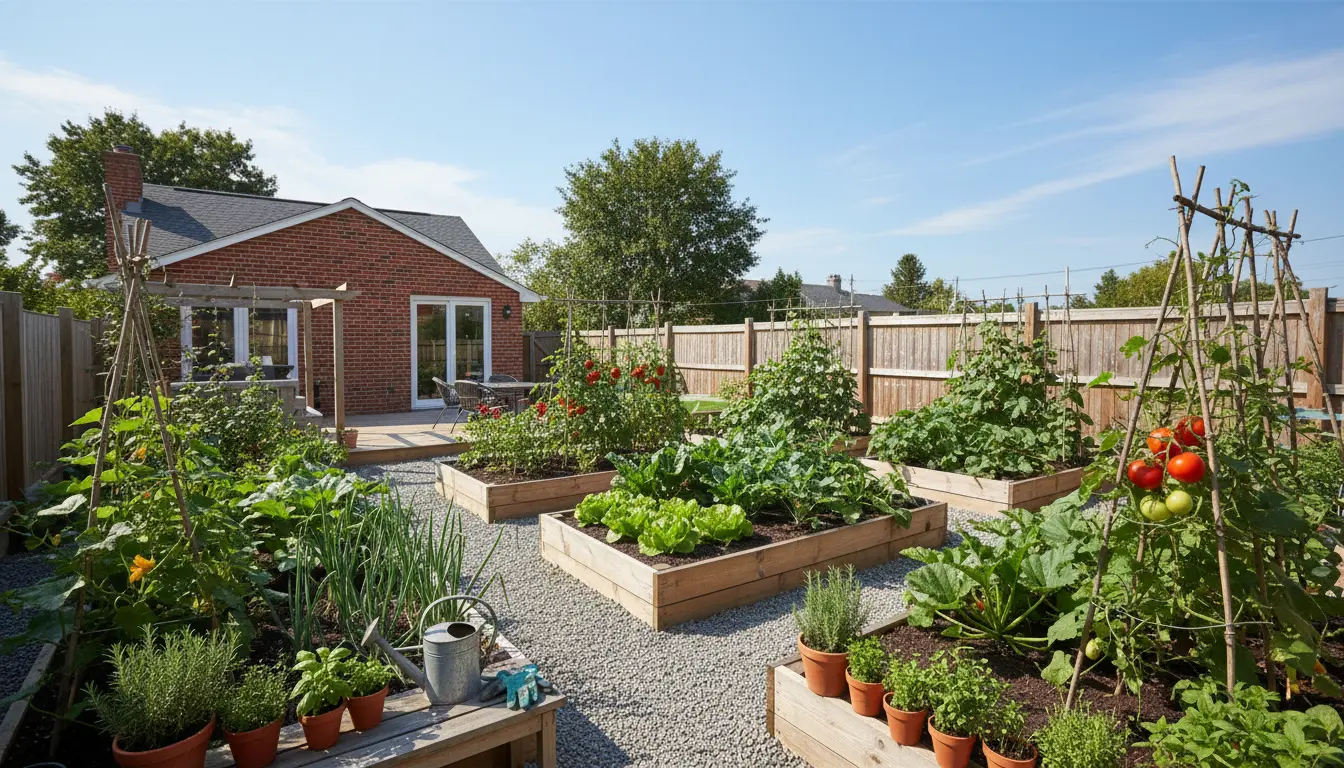
Starting a vegetable garden is a practical way to enjoy fresh produce, save money, and learn a hands-on skill. This guide covers the essential steps to start a vegetable garden at home with clear, actionable instructions.
Why start a vegetable garden
Growing your own vegetables gives you control over quality and timing. Home gardens reduce trips to the store and can improve diet variety and freshness.
With basic planning and regular care, even small spaces can produce significant yields. The key is preparation and consistent maintenance.
How to start a vegetable garden: choose the right spot
Good site selection makes gardening easier and more productive. Vegetables need sunlight, good drainage, and convenient access to water.
- Sunlight: Pick a spot with at least 6 hours of direct sun daily.
- Drainage: Avoid low spots that hold water; raised beds help on heavy soils.
- Access: Place beds near a water source and where you will use them regularly.
Soil and raised beds for your vegetable garden
Soil quality is the foundation of a successful garden. Most vegetables prefer loose, well-drained soil rich in organic matter.
Raised beds are a simple way to control soil quality and drainage. Fill beds with a mix of topsoil, compost, and a light amendment like coconut coir or peat alternative.
How to start a vegetable garden: plan what to plant
Start with easy, high-yield crops that match your climate and tastes. Tomatoes, lettuce, radishes, beans, and herbs are suitable first choices.
Consider space and season. Use succession planting and choose early, mid, and late varieties to extend harvests.
Plant selection tips
- Choose compact or container-friendly varieties for small spaces.
- Read seed packets for days to maturity and spacing requirements.
- Group plants with similar water and sun needs together.
How to start a vegetable garden: tools and materials
You do not need expensive gear to start. Basic tools and materials can keep costs low while delivering results.
- Hand trowel, digging fork, and watering can or hose with a gentle nozzle.
- Quality compost or well-rotted manure to feed the soil.
- Mulch, stakes or cages for support, and organic pest control options.
How to start a vegetable garden: planting and spacing
Follow planting depth and spacing from seed packets or plant tags. Crowding reduces airflow and increases disease risk.
Use a simple grid or row layout to keep paths clear and allow easy harvesting. Mark rows with stakes or low-profile markers.
Seeding and transplanting
Direct-seed root crops and quick growers like carrots and radishes. Transplant seedlings for tomatoes, peppers, and brassicas after hardening them off.
Harden off seedlings by gradually exposing them to outdoor conditions over 7–10 days before moving them to the garden.
How to start a vegetable garden: watering and fertilizing
Consistent moisture is more important than frequent shallow watering. Water deeply to encourage strong roots.
Apply compost at planting and use light, regular feeds with balanced organic fertilizer during the growing season. Avoid over-fertilizing leafy greens if you want fruiting plants like tomatoes to set well.
How to start a vegetable garden: pest and disease basics
Integrated pest management (IPM) focuses on prevention and targeted action. Healthy soil and proper spacing reduce many problems.
- Inspect plants weekly for pests and signs of disease.
- Use row covers for early protection against insects.
- Handpick larger pests and apply organic controls like neem oil or insecticidal soap when needed.
How to start a vegetable garden: maintenance and harvesting
Regular tasks include weeding, staking, mulching, and monitoring water. Short weekly checks keep problems small.
Harvest frequently to encourage production. Pick salad greens young, and harvest tomatoes and peppers as they ripen to taste.
Most vegetable gardens planted in square footage under 100 square feet can supply a family with fresh salad greens and herbs through the growing season.
Small case study: Sarah’s backyard vegetable garden
Sarah started a 200 square foot raised bed garden in spring. She focused on tomatoes, lettuce, beans, and herbs chosen for her USDA zone and family preferences.
By following a simple plan—soil amendment with two cubic yards of compost, planting succession crops, and weekly checks—she harvested enough salad greens weekly and 40+ pounds of tomatoes by late summer.
The investment included soil, seeds, and basic tools under $300 and paid off in food savings and quality of produce.
Common mistakes when you start a vegetable garden
- Planting too densely—leads to disease and lower yields.
- Ignoring soil tests—you may not know pH or nutrient limits.
- Overwatering or underwatering—both reduce plant health.
Next steps to start a vegetable garden this season
- Choose a sunny site and decide between in-ground beds or raised beds.
- Test and amend soil, then plan your first crops.
- Buy seeds or seedlings, plant at recommended times, and set a weekly care routine.
Starting a vegetable garden is achievable with planning and modest effort. Focus on soil health, appropriate plant choices, and regular maintenance to build a productive and satisfying garden.