
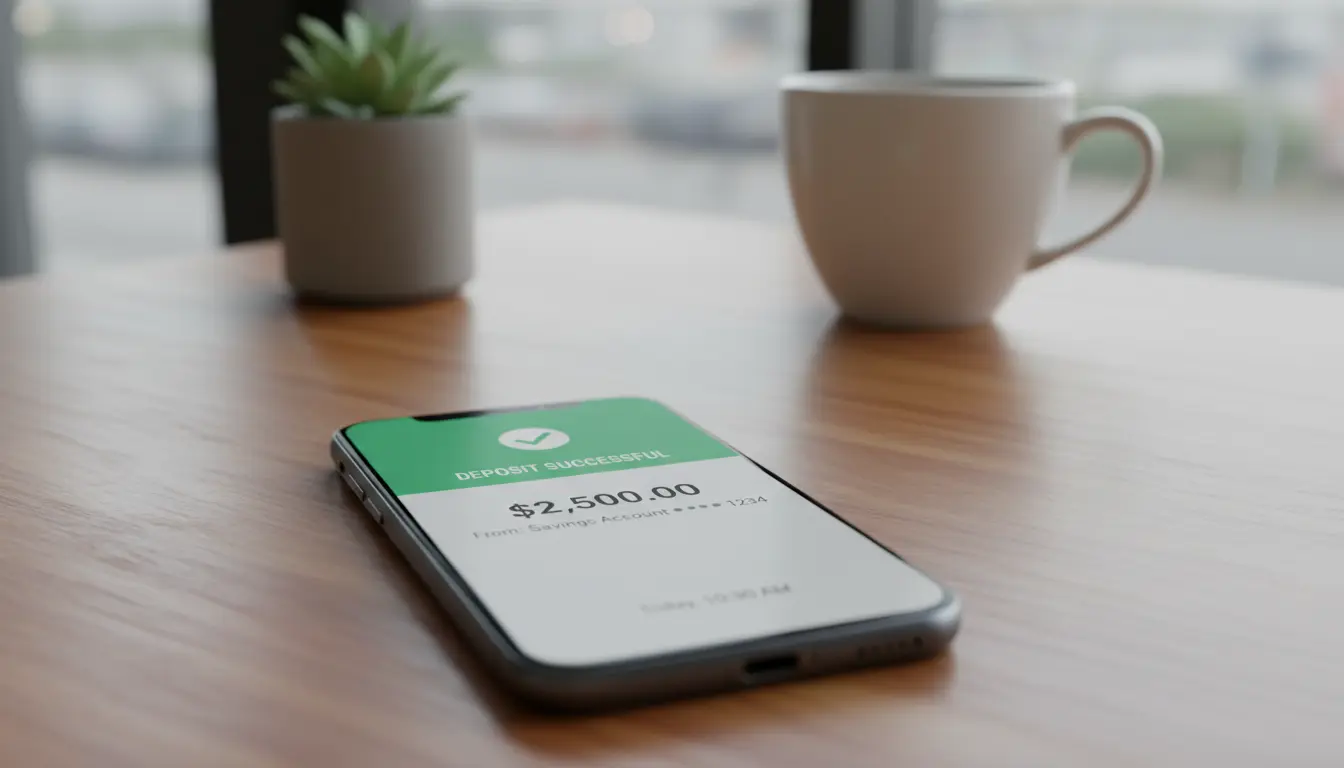
$2,000 Direct Deposit IRS Alert for February 2026 — Overview
The IRS issued an alert about $2,000 direct deposit payments scheduled for February 2026. This notice clarifies the payment windows, eligibility rules, and actions recipients should take if they have questions.
This article explains what the alert means, how to confirm your payment, and what to do next if you don’t receive the deposit or if details are incorrect.
Who Is Eligible for the $2,000 Direct Deposit IRS Alert
Eligibility is based on IRS rules released with the alert and the underlying legislation supporting the $2,000 payment. Typically, the payment targets individuals meeting income and filing criteria determined by Congress.
Key eligibility factors include filing status, adjusted gross income limits, and residency status for 2025 tax year filings. If you filed a recent tax return or updated your information with the IRS, that data is used to determine eligibility.
Common eligibility checks
- Filed a 2024 or 2025 tax return with the IRS
- AGI falls within specified limits (check IRS guidance for exact numbers)
- Active direct deposit information on file with the IRS or Social Security Administration
Payment Windows Opened — What That Means
Payment windows refer to the range of dates when direct deposits are processed and posted to bank accounts. The IRS will release payments in batches across a multi-week window in February 2026.
Batch processing reduces errors and gives the IRS time to handle corrections. It also means not everyone receives payments on the same day; timing depends on processing order and banking networks.
How to interpret the payment schedule
- First batches: Early February — typically to those with previously verified payment details
- Middle batches: Mid-February — to those requiring additional verification or updates
- Final batches: Late February — catch-up processing and corrections
Rules Clarified in the IRS Alert
The IRS clarified several rules to reduce confusion and guide recipients. These include how the agency determines bank routing and account numbers, how to handle returned payments, and what to do for overpayments.
Important clarified points include timelines for corrected payments and rules for recipients whose accounts closed since their last filing.
Returned or failed deposits
If a direct deposit is returned by a bank, the IRS will typically issue a paper check to the last known address on file. That process can take several weeks longer than direct deposit.
Overpayments and adjustments
If a recipient receives more than $2,000 or a duplicate payment, the IRS will provide instructions on repaying or resolving the discrepancy. Do not spend confirmed overpayments until you receive official guidance.
The IRS posts payment status updates at IRS.gov/payments. You can also check your tax account and payment history to confirm a $2,000 deposit.
How to Confirm You Received the $2,000 Direct Deposit
Use multiple methods to confirm receipt. Start with your bank account, then verify with IRS tools. Keep records of any messages or notices you receive from the IRS or your bank.
Step-by-step confirmation
- Check recent deposits in your bank’s online or mobile app for a direct deposit from “US Treasury” or similar descriptor.
- Log into your IRS account at IRS.gov and check payment history.
- If you receive a notice by mail or email (official IRS channels), compare the reference number and amount with your deposit.
Next Steps If You Don’t Receive the Payment
If you expect the $2,000 direct deposit but don’t see it by the end of the February window, act promptly. The IRS recommends specific next steps to identify and fix problems.
Practical next steps
- Verify bank account and routing numbers on file with the IRS or SSA.
- Check mail for an IRS notice explaining a returned payment.
- Contact the IRS only after reviewing online payment status to avoid long hold times on calls.
- Keep documentation: tax returns, bank statements, and IRS notices for faster resolution.
Case Study: Real-World Example
Maria, a single filer, expected the $2,000 direct deposit. She first checked her bank on February 10 and saw nothing. She then logged into her IRS account and saw a note that the deposit was scheduled for February 18.
On February 18, the deposit posted. Because she checked early and saved the IRS notice, she avoided calling the IRS. If the payment had failed, the IRS note would have guided her to update bank details for a paper check.
What to Watch For: Scams and Fraud
Scammers will use news about the $2,000 payments to try to get your personal or bank information. The IRS will never: call to demand immediate payment, threaten arrest, or request your bank account password by phone or email.
Protect yourself
- Do not provide bank routing or account numbers in response to unsolicited calls or emails.
- Verify all IRS communications at IRS.gov and use trusted phone numbers from the official site.
- Report suspicious communications to the Treasury Inspector General for Tax Administration (TIGTA).
Summary and Final Recommendations
The IRS $2,000 direct deposit alert for February 2026 explains payment windows and clarified rules to help recipients. Expect batch processing across February and verify deposits through your bank and the IRS online tools.
Keep documentation, watch for official IRS notices, and be alert for scams. If a deposit is missing or returned, follow the IRS steps to resolve the issue and request further help if necessary.
For more immediate updates, visit the IRS website and your bank’s online portal. Save any IRS emails or letters related to the payment for reference during resolution.