
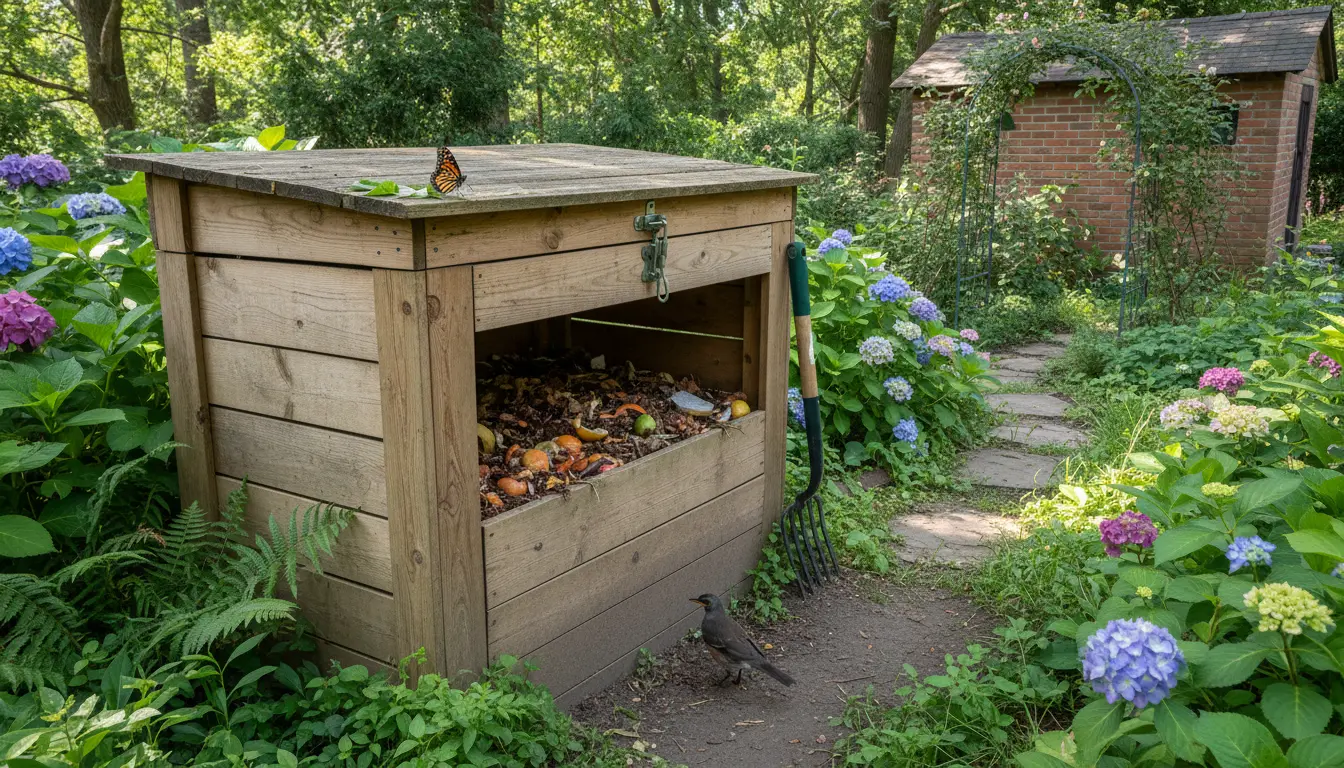
Home composting turns kitchen scraps and yard waste into nutrient-rich material you can use in gardens and potted plants. This guide gives practical, step-by-step instructions so beginners can start composting with confidence.
Why Home Composting Matters
Home composting reduces household waste and lowers landfill contributions while improving soil structure and plant health. It is a low-cost, low-tech way to close the nutrient loop from kitchen to garden.
Getting Started with Home Composting
Decide where you will compost first; choose a spot with good drainage and moderate sunlight for outdoor bins. For apartments or small spaces, consider a worm bin or a small indoor compost container with odor controls.
Choose a Composting Method
- Compost bin: A covered bin in the yard is simple and low-maintenance.
- Compost tumbler: Easier to turn and faster to process for small yards.
- Open pile: Works for larger gardens and provides flexible volume.
- Vermicomposting: Uses worms to compost food scraps indoors or in a small outdoor bin.
Materials to Compost
Balance ‘greens’ (nitrogen-rich) and ‘browns’ (carbon-rich) for effective decomposition. Use the lists below to keep the mix productive and odor-free.
- Greens: Vegetable and fruit scraps, coffee grounds, fresh grass clippings.
- Browns: Dry leaves, shredded paper, straw, cardboard, small wood chips.
- Avoid: Meat, dairy, oily foods, diseased plants, and pet waste from carnivores.
Compost Ratio and Maintenance
A common guideline is a roughly 30:1 carbon to nitrogen ratio, which means more browns than greens by volume. Regular turning and keeping the pile moist but not soggy helps speed decomposition and prevents smells.
Turn the pile every 1–2 weeks for active composting, or less often for a slow, no-turn approach. Maintain moisture similar to a wrung-out sponge; cover the pile in heavy rain or during dry spells.
Home Composting Troubleshooting
Common problems can be solved with simple adjustments to the mix, moisture, or aeration. Troubleshooting quickly keeps the system healthy and productive.
Bad Smell
A strong ammonia or rotten odor usually signals too many greens or poor aeration. Add browns and turn the pile to introduce air and rebalance the mix.
Pests and Flies
To deter pests, avoid adding meat or oily foods and bury food scraps under a layer of browns. Use a secure bin with a closed lid for outdoor systems and a fine mesh on vents for worm bins.
Slow Decomposition
Slow breakdown often means the pile is too dry, too cold, or lacks nitrogen. Add water, smaller particle sizes (chop or shred materials), and some fresh greens to restart activity.
When Is Compost Ready?
Finished compost is dark brown, crumbly, and earthy-smelling. Typical backyard systems take 3–12 months depending on method, materials, and maintenance.
Use finished compost as a soil amendment, top dressing for lawns, or potting mix ingredient to improve water retention and nutrient supply.
Quick Home Composting Checklist
- Choose method: bin, tumbler, pile, or worm system.
- Collect greens and browns separately for easy layering.
- Maintain moisture and aeration; turn regularly if possible.
- Monitor for pests and odors; adjust mix as necessary.
- Harvest finished compost and apply to plants.
Small Case Study: Community Garden Compost
A neighborhood community garden started a three-bin compost system to handle weekly green waste from members. They used shredded leaves and straw as browns and added weekly food-scrap contributions from volunteers.
Within six months their bins produced rich compost used in raised beds, increasing vegetable yields and reducing municipal pickup costs for the garden. Regular volunteer turns and clear signage kept contamination low.
Practical Tips for Success with Home Composting
- Chop large items to speed breakdown and reduce space needs.
- Store kitchen scraps in a covered container in the fridge or freezer if you cannot add them daily.
- Use a thermometer to monitor activity—hot compost reaches 130–160°F during active phases.
- Label bins with do and don’t lists to prevent mistakes from household members.
Home composting is an accessible way to reduce waste and build soil health whether you have a yard or a small balcony. Start small, learn by doing, and adjust the method to fit your space and lifestyle.