
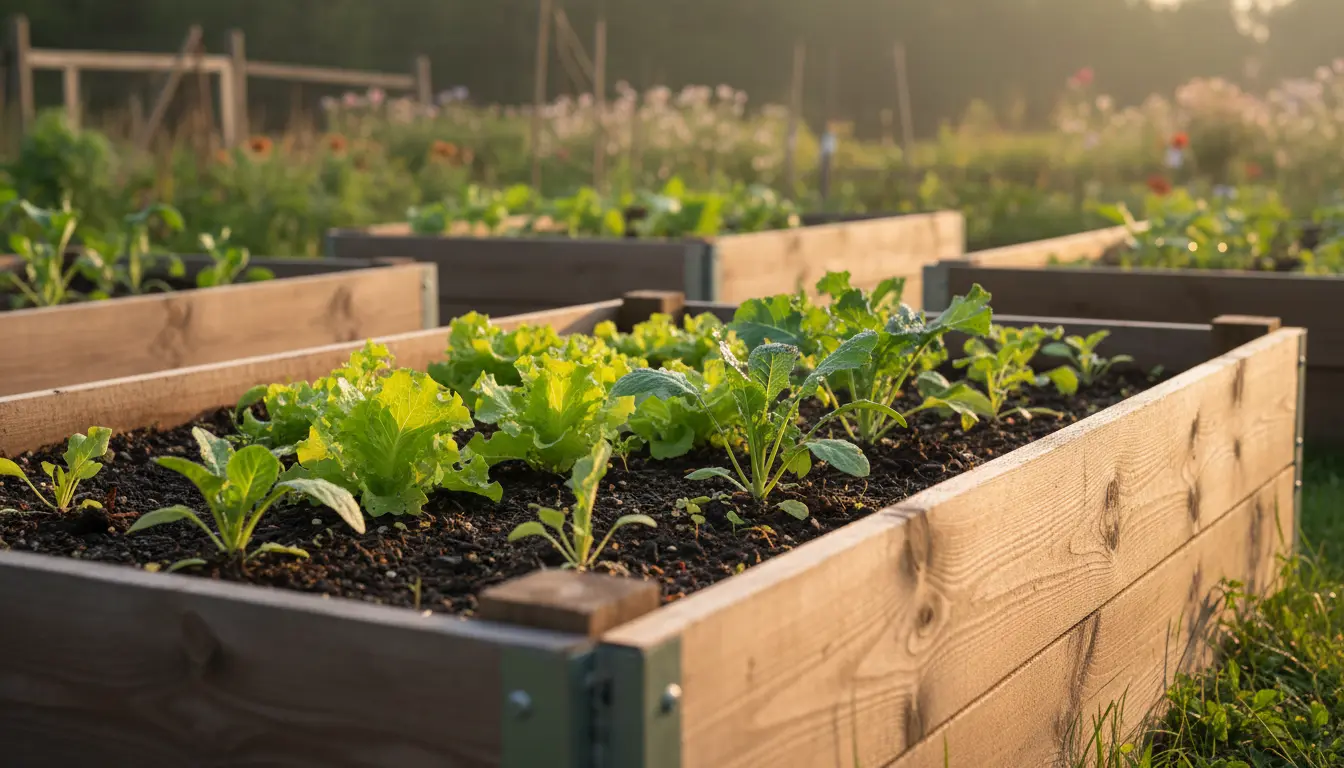
Why start a small vegetable garden
A small vegetable garden is an efficient way to grow fresh food, save money, and learn basic gardening skills. It fits yards, balconies, or community plots and requires manageable time and space.
How to start a small vegetable garden: plan your space
Begin by choosing a location with at least 6 hours of sunlight per day. Good sunlight improves yield for most vegetables and reduces disease pressure.
Consider access to water and how you will move soil, tools, and harvested produce. Plan paths so you can reach plants without stepping on beds.
Options for a small vegetable garden
- Raised beds: better drainage and soil control.
- Containers: ideal for patios and balconies.
- In-ground rows: works for more permanent plots.
- Vertical supports: save floor space for climbers like beans and cucumbers.
How to start a small vegetable garden: prepare soil
Soil quality is the most important factor for success. Test the soil pH and basic nutrients if possible, or observe how plants perform over a season.
For raised beds or containers, use a mix of topsoil, compost, and a light amendment like perlite or coir for drainage. Aim for loose, crumbly soil that retains moisture without staying soggy.
Soil preparation steps
- Clear weeds and debris from the site.
- Loosen soil to a depth of 6–12 inches for raised beds; deeper if planting root crops.
- Add 2–4 inches of compost and work it into the topsoil.
- Level beds and form planting rows or blocks.
How to start a small vegetable garden: choose plants
Pick vegetables that match your climate, season, and space. For small gardens, choose high-yield, space-efficient crops that give reliable returns.
Best choices for a small vegetable garden
- Leafy greens: lettuce, spinach, and Swiss chard mature quickly and can be harvested multiple times.
- Tomatoes and peppers: stake or cage varieties to save space.
- Bush beans: productive and compact.
- Herbs: basil, parsley, and cilantro grow well in small areas and add kitchen value.
How to start a small vegetable garden: planting and timing
Follow local frost dates and seed packet guidance for planting times. Stagger planting to extend harvests and avoid a single busy week.
Use companion planting to maximize space and reduce pests. For example, pair basil with tomatoes or plant marigolds near seedlings to deter some insects.
Watering and maintenance for a small vegetable garden
Consistent moisture is crucial. Water deeply and less frequently to encourage strong roots rather than daily shallow watering.
Mulch beds to conserve moisture and suppress weeds. Inspect plants weekly to catch pests or disease early.
Simple maintenance checklist
- Water deeply 1–3 times per week, adjusting for rain.
- Mulch with straw, leaves, or wood chips to a 2–3 inch layer.
- Remove weeds and damaged foliage promptly.
- Fertilize lightly every 4–6 weeks with a balanced organic feed if growth slows.
Growing vegetables in a 10 by 10 foot raised bed can produce more than 150 pounds of food in a single season with proper planning and succession planting.
Common pest and disease tips for a small vegetable garden
Small gardens benefit from close observation. Hand-pick larger pests, use row covers for early protection, and encourage beneficial insects with diverse plantings.
Rotate crops each year when possible to reduce soil-borne diseases. Clean up plant debris in fall to lower overwintering pest populations.
How to start a small vegetable garden: season extension
Use simple season extension tools like cloches, cold frames, or row covers to start earlier and harvest later. These tools protect plants from frost and wind.
Choose cold-hardy varieties for fall and spring crops to maximize the growing window in temperate climates.
Tools for season extension
- Floating row cover fabric
- Mini-hoop cold frames
- High tunnels or simple plastic greenhouses
Real-world example: small vegetable garden case study
Case study: A 10×8 foot raised bed garden started by a beginner gardener produced a reliable summer harvest. The gardener planted tomatoes, bush beans, three types of salad greens, and basil.
By using compost-amended soil, staking tomatoes, and staggering lettuce planting every two weeks, the gardener harvested salad greens for 16 weeks and 40 pounds of tomatoes by late summer. Weekly 30-minute maintenance kept weeds and pests under control.
Harvesting and saving seeds
Harvest vegetables at peak ripeness for best flavor and nutrition. Use successive sowing to keep a steady supply of tender produce like greens.
If you want seed saving, select open-pollinated varieties and allow a few plants to mature and dry before collecting seeds in a clean, labeled container.
Final checklist to start your small vegetable garden
- Choose a sunny, accessible site and plan beds or containers.
- Prepare soil with compost and loosen to the proper depth.
- Select compact, high-yield plants suited to your season.
- Water consistently, mulch, and monitor pests weekly.
- Use season extension and succession planting to extend harvests.
Starting a small vegetable garden is practical, low-cost, and highly rewarding. With a clear plan and modest daily or weekly care, even first-time gardeners can grow fresh food successfully.