
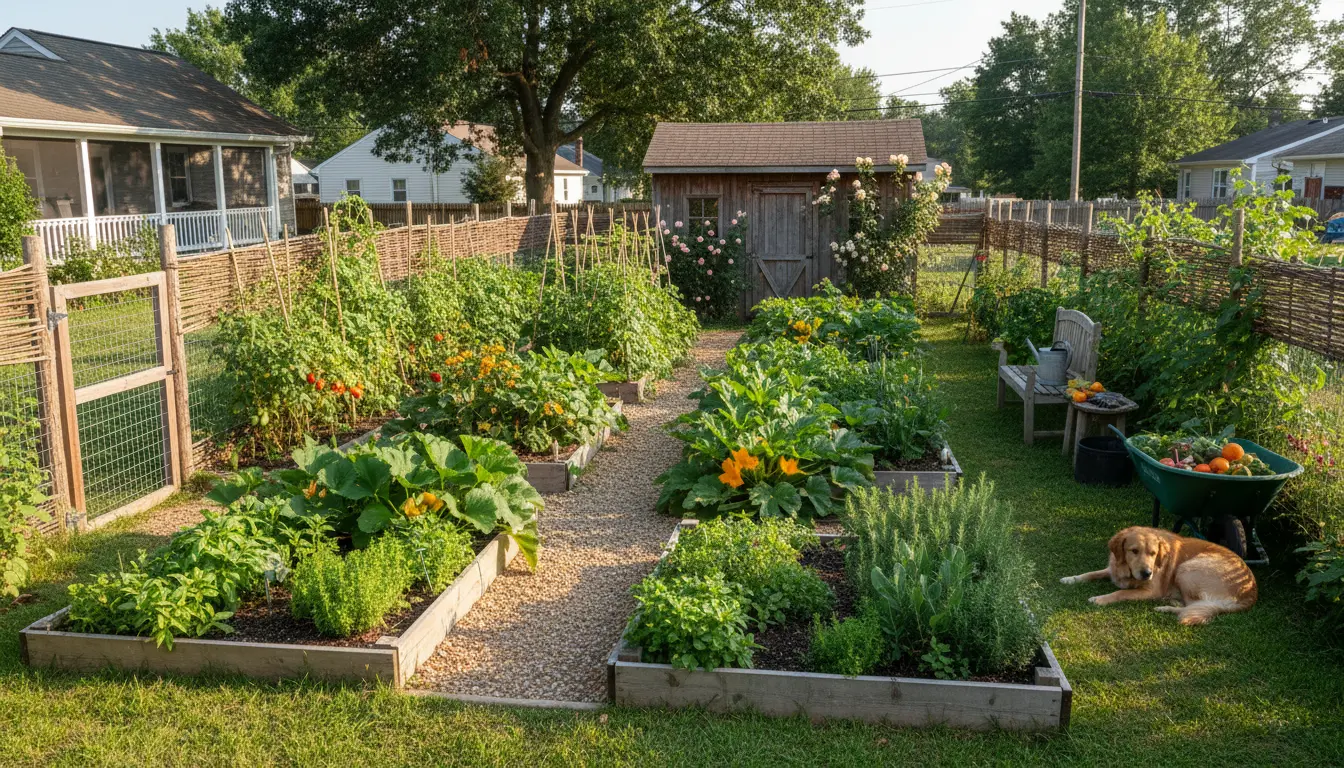
Starting a vegetable garden is a manageable project that brings fresh food and satisfaction. This guide explains practical steps to plan, plant, and maintain a productive garden using simple methods.
Why start a vegetable garden
Growing vegetables reduces grocery costs and improves food quality. Gardens also support mental health and local biodiversity.
Even small spaces can produce a meaningful amount of food with proper planning. Focus on a few high-yield crops to get quick results.
How to start a vegetable garden: Choose a site
Select a spot with at least 6 hours of direct sun per day for most vegetables. Observe sunlight through the day before committing to a location.
Consider proximity to water and ease of access for daily care. Avoid low spots that collect cold air or stay soggy after rain.
How to start a vegetable garden: Soil and beds
Good soil gives plants a strong start. Most gardeners use raised beds, in-ground rows, or container gardens depending on space and soil quality.
- Raised beds: Easier to manage, warm faster in spring, and drain well.
- In-ground: Best if you have deep, fertile topsoil and a larger area.
- Containers: Ideal for balconies or patios; choose large pots and good potting mix.
How to start a vegetable garden: Soil preparation
Test the soil pH and nutrient levels with a simple kit or local extension service. Most vegetables prefer pH 6.0–7.0.
Improve heavy or poor soil by adding compost, well-rotted manure, or quality organic amendments. Mix amendments into the top 6–12 inches for best results.
How to start a vegetable garden: Choosing plants
Select vegetables suited to your climate and growing season. Start with easy crops like lettuce, radishes, beans, tomatoes, and zucchini.
Consider succession planting to keep harvests continuous. Plant faster crops in gaps between slower growers.
How to start a vegetable garden: Planting and spacing
Follow seed packet or plant tag spacing recommendations to reduce competition and disease. Crowded plants produce less and are harder to manage.
Use rows, blocks, or square-foot layouts according to your space. Blocks of crops often yield better and reduce pest spread.
How to start a vegetable garden: Watering and care
Water deeply and infrequently to encourage strong root systems. Aim to keep soil consistently moist but not waterlogged.
Apply mulch around plants to retain moisture, suppress weeds, and moderate soil temperature. Organic mulches like straw or shredded leaves work well.
How to start a vegetable garden: Fertilizing and pest control
Feed plants with balanced organic fertilizer based on soil test recommendations. Avoid over-fertilizing leafy crops at the expense of fruiting ones.
Use integrated pest management: monitor daily, hand-pick pests, use row covers, and encourage beneficial insects. Reserve chemical controls for severe outbreaks.
Routine tasks after you start a vegetable garden
- Watering: morning deep water 2–3 times per week depending on weather.
- Weeding: remove weeds when small to limit competition.
- Harvesting: pick regularly to encourage continued production.
- Monitoring: check for pests, nutrient deficiencies, and disease weekly.
Companion planting can reduce pests and increase yields. For example, planting basil near tomatoes may improve pest resistance and flavor.
Simple calendar to start a vegetable garden
Timing varies by region, but a basic plan helps beginners. Start seeds indoors 6–8 weeks before last frost for warm-season crops.
- Early spring: soil prep, cool-season crops (lettuce, peas, spinach).
- Late spring: transplant tomatoes, peppers after frost risk passes.
- Summer: maintain watering, harvest, and plant succession crops.
- Fall: plant cover crops, pull spent plants, and add compost.
Case study: Small backyard success
Marie converted a 10×10 ft unused corner into two 4×6 ft raised beds. She amended soil with compost and planted tomatoes, bush beans, lettuce, and herbs.
By mid-summer she harvested fresh salads twice a week and a dozen pounds of tomatoes. A modest start reduced her weekly produce bill and improved meal variety.
Common beginner mistakes when you start a vegetable garden
- Planting too close together — causes disease and low yields.
- Overwatering — leads to root rot and nutrient leaching.
- Choosing too many different crops — spreads attention thin and reduces success.
Final checklist to start a vegetable garden
- Site chosen with adequate sun and water access.
- Soil tested and amended as needed.
- Plants selected for your climate and skill level.
- Mulch, irrigation plan, and a simple pest strategy ready.
Starting a vegetable garden is about planning, small experiments, and steady care. Begin with a manageable plot, learn from each season, and scale up as confidence grows.