
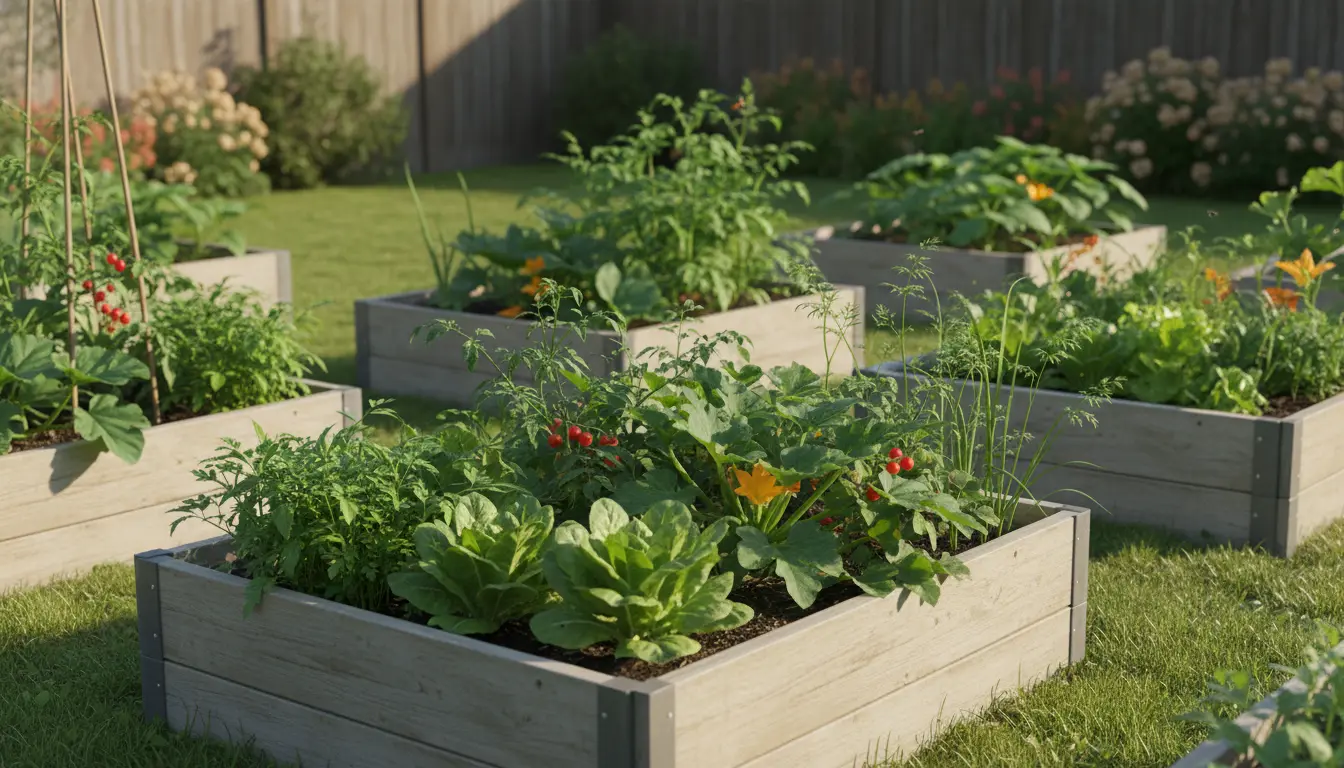
Start a Vegetable Garden: Simple First Steps
Starting a vegetable garden is a practical way to grow fresh food and learn a useful skill. This guide explains clear actions you can take the first season, even with limited space.
Why Start a Vegetable Garden
A home vegetable garden saves money, improves diet, and reduces trips to the store. It also gives you control over how your food is grown, from seed choices to pest control methods.
Choose the Right Spot to Start a Vegetable Garden
Location matters for plant health. Pick a spot with good sunlight, easy water access, and reasonable drainage.
Sun and Shade
Most vegetables need 6–8 hours of direct sun daily. Observe your yard at different times to map sun patterns before planting.
Soil and Drainage
Soil should drain within a few hours after rain. Heavy clay or standing water means you should consider raised beds or containers instead.
How to Start a Vegetable Garden: Step-by-Step
Follow these practical steps to set up a productive garden this season. Each step is small and doable for beginners.
-
Decide on bed type
Choose raised beds, in-ground rows, or containers. Containers work well on patios and are faster to set up.
-
Test and amend soil
Use a basic soil test kit to check pH and nutrients. Add compost and a balanced organic fertilizer to loosen and enrich soil.
-
Select easy crops
Start with vegetables that tolerate beginner mistakes and mature quickly.
- Leafy greens: lettuce, spinach
- Root crops: radishes, carrots
- Fruit-bearing: cherry tomatoes, bush beans, peppers
-
Sow or transplant correctly
Follow seed packet dates and spacing. Harden off seedlings from indoors for a week before planting outside.
-
Water and mulch
Water deeply once or twice a week rather than frequent shallow watering. Apply 2–3 inches of organic mulch to retain moisture.
-
Monitor and maintain
Check plants weekly for pests and nutrient deficiencies. Remove weeds and harvest regularly to encourage production.
Soil Preparation and Compost Tips
Good soil is the backbone of a successful garden. Aim for a crumbly texture and a steady supply of organic matter.
- Mix 30–50% compost into top 6–8 inches of soil for raised beds.
- For containers, use a high-quality potting mix with added compost.
- Top-dress beds with compost every spring and fall to rebuild nutrients.
Pest and Disease Basics When You Start a Vegetable Garden
Expect some pests; plan low-toxicity controls first. Hand-pick larger pests, use insecticidal soap for soft-bodied insects, and rotate crops annually.
Simple IPM Steps
- Inspect plants regularly for early signs of trouble.
- Encourage beneficial insects with flowers like marigolds and alyssum.
- Remove infected plant material promptly to prevent spread.
Watering Schedule for New Gardens
Consistent moisture helps seedlings establish strong roots. Adjust frequency by weather and soil type.
- Clay soil: water less often but longer to avoid surface pooling.
- Sandy soil: water more frequently in smaller amounts.
- Use drip irrigation or soaker hoses to reduce evaporation and disease risk.
Vegetables grown in containers can yield just as much as in-ground beds if you provide at least 12 inches of high-quality potting mix and regular feeding.
Small Real-World Case Study
Case: Jenna, a city renter, started a container garden on a sunny balcony with three 20-inch pots. She used cherry tomatoes, basil, and leaf lettuce.
After testing soil and adding compost, Jenna followed a twice-weekly watering and a liquid feed every three weeks. By week eight she harvested the first tomatoes and continued production through summer. Her costs were under $120 for pots, soil, and starter plants, and she saved on grocery bills and enjoyed fresher salads.
Simple Planting Calendar to Start a Vegetable Garden
Timing matters. Here is a basic seasonal calendar to get started in temperate climates.
- Early spring: start cool-season crops (lettuce, peas, radishes).
- After frost: transplant tomatoes, peppers, and warm-season crops.
- Late summer: sow quick fall crops (spinach, turnips).
Quick Checklist Before You Plant
- Confirm 6–8 hours of sun in planting spot.
- Prepare soil with compost and test pH if possible.
- Choose 3–6 easy crops to reduce complexity.
- Set up watering system or plan a watering schedule.
- Gather basic tools: trowel, pruners, garden hose or watering can.
Final Tips to Keep Growing
Start small and expand after your first season. Keep notes on what worked and what didn’t so you can improve next year.
With regular care and simple planning you can start a vegetable garden that feeds your family and teaches valuable skills.