
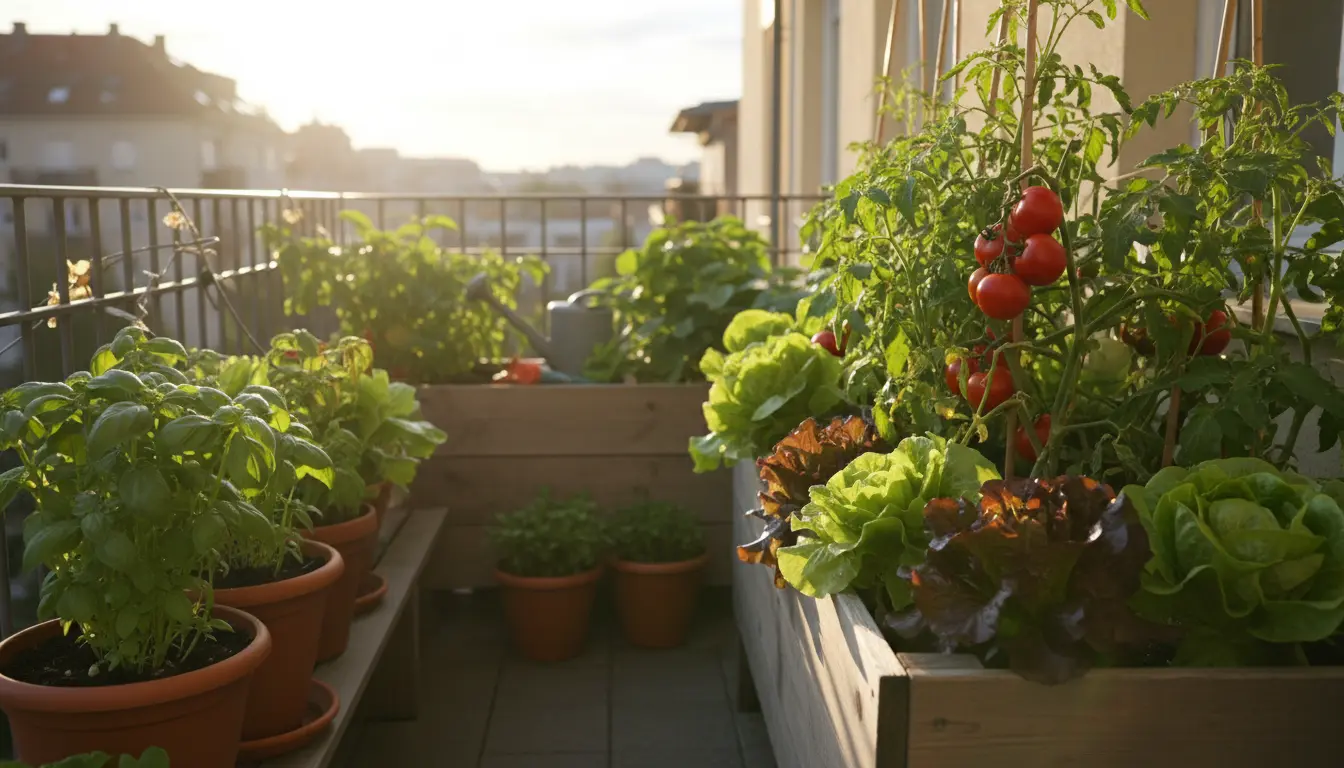
Growing vegetables at home is a realistic way to save money, eat fresher food, and enjoy an active hobby. This guide gives clear, step-by-step instructions to help beginners start a productive kitchen garden.
Why grow vegetables at home
Growing vegetables at home improves food quality and reduces grocery costs. It also helps you control pesticides, choose varieties, and harvest at peak freshness.
Key benefits of growing vegetables at home
- Fresh produce available when you need it.
- Lower long-term food costs and less packaging waste.
- Better taste and nutrition from ripe-harvested crops.
How to grow vegetables at home: Plan and prepare
Start with a simple plan to match your space and schedule. Decide if you have a yard, balcony, patio, or just windowsills, and choose the appropriate setup.
Choose the right location
Most vegetables need 6–8 hours of direct sunlight daily. Place beds or containers where they get maximum sun. If full sun is not available, focus on leafy greens and herbs that tolerate partial shade.
Select soil or container media
Good soil is the foundation of successful vegetable growing. Use well-draining garden soil amended with compost. For containers, use a high-quality potting mix designed for vegetables.
What to plant when you grow vegetables at home
Choose crops that fit your climate, space, and skill level. Beginners should start with fast, forgiving plants that give quick results.
Best beginner vegetables
- Lettuce and salad greens — quick harvest and compact.
- Radishes — fastest crop, ready in weeks.
- Tomatoes (compact varieties) — high yield in warm seasons.
- Spinach and Swiss chard — tolerate partial shade and continuous harvest.
- Herbs like basil, parsley, and chives — useful and low maintenance.
Planting, watering, and feeding
Follow spacing and depth instructions on seed packets or plant tags. Water consistently; err on the side of deep, less frequent watering instead of shallow daily wetting.
Watering tips
- Water at the base of plants to keep leaves dry and reduce disease risk.
- Use a soaker hose or drip irrigation for even moisture and water savings.
- Check soil moisture with your finger — if the top inch is dry, it’s time to water.
Feeding and fertilizing
Feed vegetables with a balanced organic fertilizer or compost tea every 3–6 weeks during the growing season. Heavy feeders like tomatoes benefit from added calcium and potassium.
Pest and disease management when you grow vegetables at home
Preventive care is more effective than reactive treatments. Keep plants healthy, rotate crops, and remove diseased foliage promptly.
Practical pest control steps
- Inspect plants weekly for unusual spots, holes, or pests.
- Use row covers to protect seedlings from insect attack.
- Introduce beneficial insects like ladybugs for aphid control.
- Apply neem oil or insecticidal soap for soft-bodied pests if needed.
Harvesting and storage
Harvest vegetables when they reach recommended maturity for best flavor and nutrition. Frequent harvesting encourages more production for many crops.
Storing your harvest
- Leafy greens: refrigerate wrapped in a damp towel for up to a week.
- Root vegetables: remove tops and store in a cool, dark place.
- Tomatoes: store on the counter until fully ripe, then refrigerate if necessary.
Many common kitchen herbs like basil and parsley can produce multiple harvests from a single planting when you pinch back flowering stems early.
Quick checklist: Steps to grow vegetables at home
- Assess sunlight and choose a location.
- Decide between in-ground beds or containers.
- Pick beginner-friendly varieties for your season.
- Prepare soil or potting mix and plant with correct spacing.
- Water consistently and feed every few weeks.
- Monitor pests and harvest regularly.
Real-world example: A small balcony case study
Marie, an apartment resident, converted a 6-foot balcony into a vegetable patch. She used three 16-inch containers and four window boxes, planting lettuce, cherry tomatoes, basil, and radishes.
In her first season she harvested salad greens every week and two rounds of radishes. By choosing compact varieties and watering with a drip bottle system, she had fresh salads for months and cut weekly lettuce purchases by half.
Final tips for long-term success
Start small and expand as you gain confidence. Keep a simple journal of planting dates, varieties, and harvest yields to learn what works in your space.
Growing vegetables at home is a practical skill that improves with experience. Use the steps here to begin a productive garden and build from small wins.