
Why Reduce Home Energy Bills
Lowering your energy bills saves money and reduces environmental impact. Small changes add up quickly, and many measures pay for themselves in months or a few years.
This guide focuses on practical, low-cost steps and a few larger investments that give the best return. Use the checklist and case study to plan improvements that fit your budget.
Quick Wins to Reduce Home Energy Bills
Start with simple actions you can do today. These require little or no cost and can cut energy use immediately.
- Adjust the thermostat: Set heating lower 2–3°F in winter and cooling higher 2–3°F in summer.
- Use programmable or smart thermostats to avoid heating or cooling an empty home.
- Seal drafts around windows and doors with weatherstripping or caulk.
- Replace incandescent bulbs with LED bulbs that use 75% less energy.
- Unplug chargers and devices when not in use or use smart power strips.
Heating and Cooling: Biggest Impact Areas
Heating and cooling are typically the largest energy expenses for homes. Targeting these systems gives the fastest savings.
Optimize Your HVAC System
Regular maintenance keeps systems running efficiently. Change filters, clean vents, and schedule an annual professional tune-up for furnaces or air conditioners.
- Replace pleated filters every 3 months or per manufacturer instructions.
- Clear debris around outdoor units to ensure airflow.
- Consider a high-efficiency system if your unit is older than 15 years.
Improve Insulation and Air Sealing
Insulation and air sealing reduce the workload on heating and cooling systems. Focus on attic, walls, and basement seals first.
- Add attic insulation where R-values are low.
- Seal gaps around plumbing and electrical penetrations with foam or caulk.
- Install door sweeps and window film if replacement isn’t affordable.
Appliances, Lighting, and Water Heating
Other household systems provide steady savings through efficient use and upgrades.
Efficient Appliances
Use Energy Star-rated appliances where possible. For many households, replacing an old refrigerator or washing machine results in meaningful savings.
- Run full loads in dishwashers and washing machines using cold water when possible.
- Defrost freezers and maintain proper refrigerator temperatures.
Lighting and Small Changes
Lighting is an easy area for improvement. LEDs last much longer and use less energy than traditional bulbs.
- Use task lighting rather than lighting whole rooms when possible.
- Install dimmers and motion sensors in low-traffic areas.
Lower Water Heating Costs
Water heating is the second or third largest energy use. Lowering the thermostat and upgrading can reduce bills.
- Set water heater temperature to 120°F (49°C).
- Insulate older tanks and wrap hot water pipes.
- Consider a heat-pump water heater for long-term savings.
Behavior Changes That Add Up
Simple daily habits often produce persistent savings without upfront cost. Track changes monthly to see progress.
- Air dry clothes when possible and use dryer balls to reduce drying time.
- Take shorter showers and install low-flow showerheads.
- Close vents in unused rooms and keep doors closed to focus conditioning on occupied spaces.
Cost-Benefit Decisions
Prioritize measures by payback period — how long before savings equal upfront cost. Quick payback options include LEDs, thermostat programming, and weatherstripping.
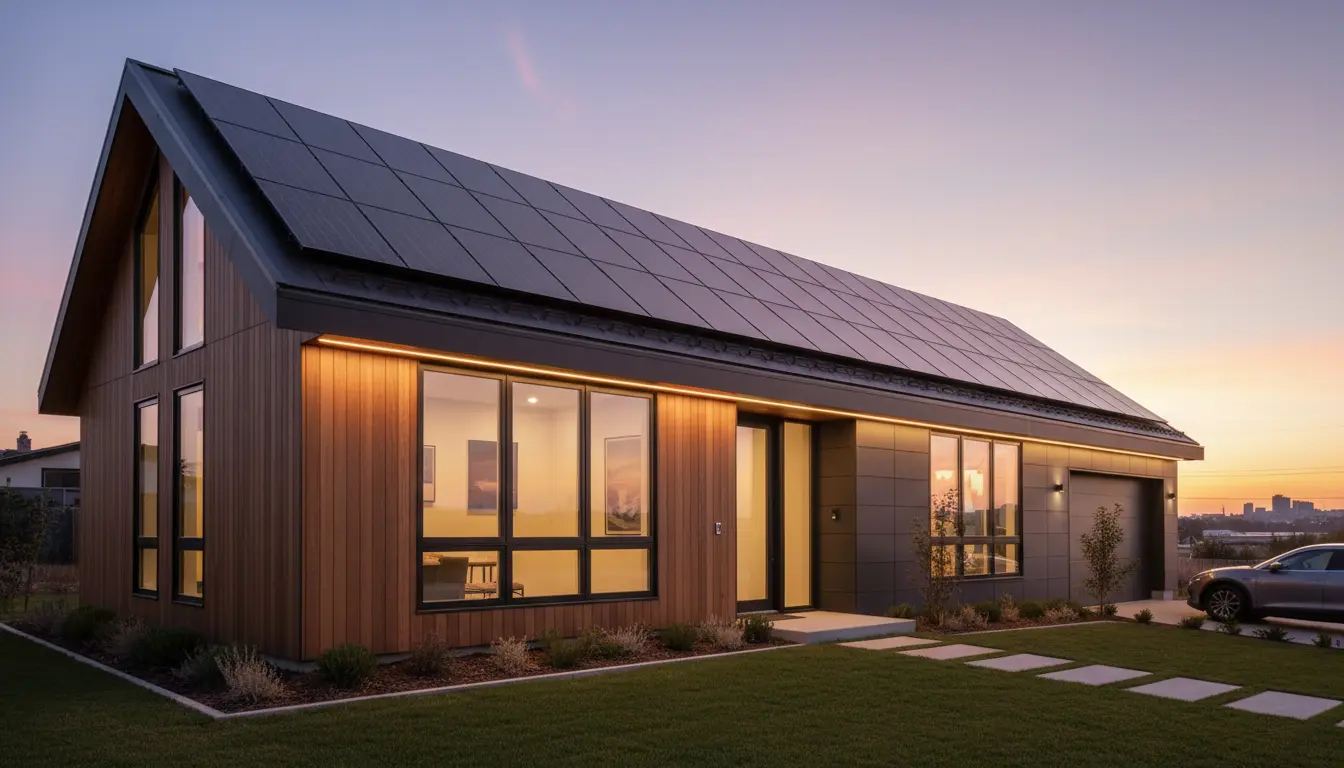
Longer payback but high-impact investments include insulation upgrades, new HVAC systems, and solar panels. Use available rebates and tax credits to improve returns.
Heating and cooling typically account for about 40% to 50% of a home’s energy use. Sealing leaks and adding attic insulation can cut that by up to 20% in many homes.
Simple Audit and Action Plan
Run a quick home energy audit yourself and follow a prioritized plan.
- Check your recent energy bills to understand seasonal peaks.
- Inspect for drafts and missing insulation in the attic and basement.
- Replace old bulbs and change HVAC filters.
- Install a programmable thermostat and track monthly usage changes.
- Plan major upgrades based on payback estimates and available incentives.
Real-World Example: A Small Savings Case Study
Maria, a homeowner in Ohio, cut her annual energy bill by 18% in one year. She focused on low-cost steps first: replacing 20 incandescent bulbs with LEDs, sealing door and window leaks, and installing a smart thermostat.
Costs: LEDs and sealing supplies cost $200. Smart thermostat cost $150 after rebates. Result: Annual savings of $360 on utility bills. Payback period: ~1 year. Maria is now planning attic insulation for further savings.
Final Checklist to Reduce Home Energy Bills
- Install a programmable or smart thermostat.
- Seal drafts and add weatherstripping where needed.
- Upgrade lighting to LEDs and use dimmers/sensors.
- Maintain HVAC systems and replace filters regularly.
- Insulate attic and exposed pipes when budget allows.
- Consider larger investments after calculating payback and incentives.
Reducing home energy bills is a mix of behavior change, low-cost fixes, and targeted investments. Start with quick wins, measure results, and scale improvements for the best savings over time.