
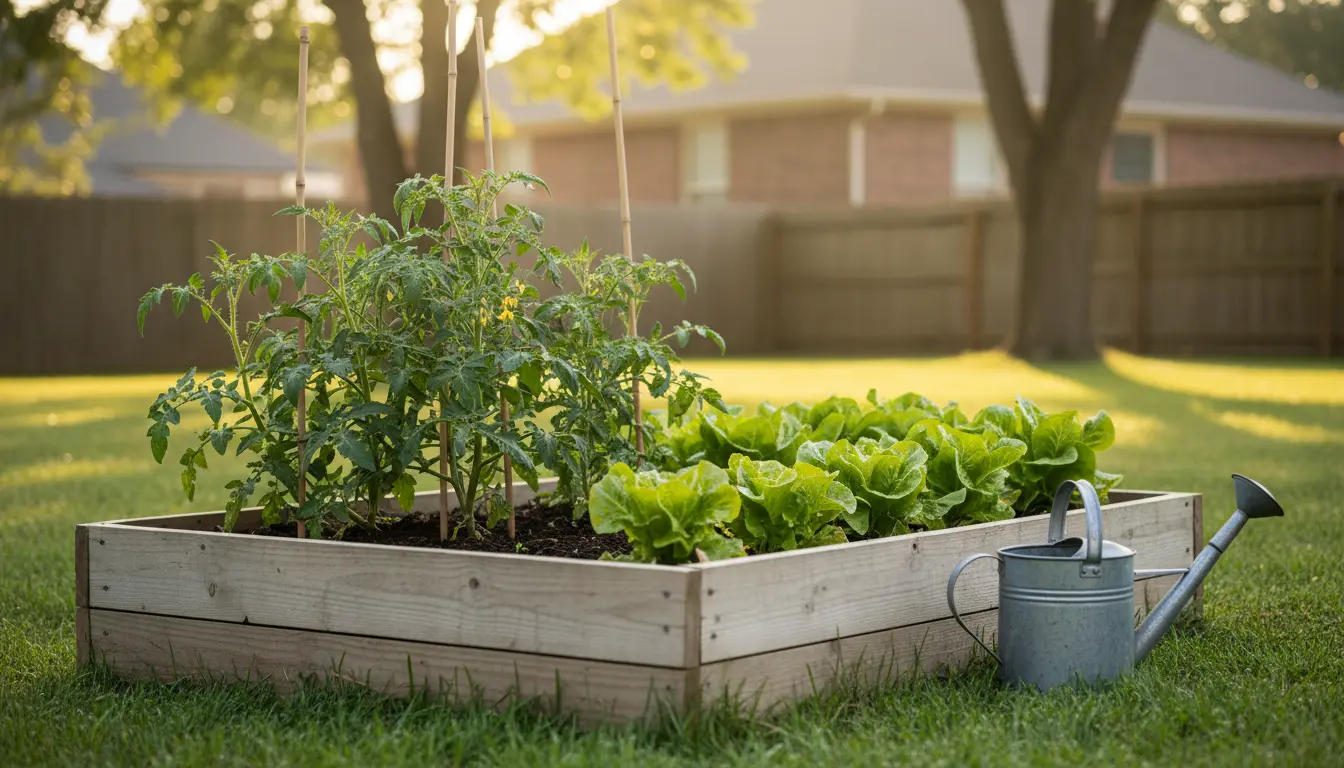
How to Start a Small Vegetable Garden: A Practical Guide
Starting a small vegetable garden is a simple way to grow fresh produce and learn basic gardening skills. This guide gives clear, actionable steps to plan, plant, and maintain a productive garden in a limited space.
Choose a Site to Start a Small Vegetable Garden
Selecting the right spot is the first practical step. Most vegetables need at least 6 hours of direct sunlight per day, so pick a sunny location when possible.
Consider these site factors:
- Sun exposure: 6–8 hours is ideal for tomatoes, peppers, and most herbs.
- Access to water: place the garden near a hose or water source.
- Soil and drainage: avoid low spots that collect water.
- Convenience: make the bed easy to reach for regular care.
Decide the Type of Small Vegetable Garden
Choose a format that fits your space and time. Two common options work well for beginners.
- Raised beds: good drainage, easier soil control, and less weeding.
- Containers: ideal for balconies, patios, or limited ground space.
Prepare Soil for a Small Vegetable Garden
Healthy soil is the key to productivity. For a new small vegetable garden, focus on structure, nutrients, and pH balance.
Simple soil prep steps:
- Remove grass and weeds from the area or use a raised bed.
- Mix in 2–4 inches of compost to improve fertility and texture.
- Test soil pH; most vegetables prefer pH 6.0–7.0 and adjust if needed.
Soil Mix for Containers and Raised Beds
For containers, use a high-quality potting mix with compost. For raised beds, combine native soil with compost and a small amount of coarse sand if drainage is poor.
Choose Plants for a Small Vegetable Garden
Pick crops that match your climate, season, and skill level. Start with easy, high-reward vegetables.
Good beginner vegetables include:
- Lettuce and salad greens — fast-growing and harvestable multiple times.
- Radishes — mature in a few weeks and clear space quickly.
- Tomatoes (bush/determinate types) — productive and widely loved.
- Beans and peas — climbers save space if you add a trellis.
- Herbs like basil, parsley, and chives — small and useful.
Plan Planting Layout in a Small Vegetable Garden
Use companion planting and vertical space to maximize yield. Taller plants should not shade smaller ones that need full sun.
Example layout ideas:
- Edge a bed with herbs and lettuce, middle rows for tomatoes and peppers.
- Grow beans on a trellis at the back to save ground space.
- Interplant fast and slow growers to maintain continuous harvests.
Watering and Feeding Your Small Vegetable Garden
Consistent water and balanced nutrients keep plants healthy. Over-watering and under-watering are common mistakes.
Practical tips:
- Water deeply once or twice a week rather than shallow daily watering.
- Use mulch to retain moisture and suppress weeds.
- Apply a balanced fertilizer or continued compost top dressing every 4–6 weeks during the growing season.
Irrigation Options for a Small Vegetable Garden
Choose a simple system that fits your routine. A soaker hose or drip irrigation is efficient and reduces leaf wetness that can cause disease.
Plants use most of their water in the morning. Watering early reduces evaporation and helps prevent fungal diseases.
Maintenance and Seasonal Care for a Small Vegetable Garden
Regular attention keeps yields steady. Spend short, consistent time each week on basic tasks.
Weekly checklist:
- Inspect for pests and remove damaged leaves.
- Harvest ripe vegetables to encourage more production.
- Pull small weeds before they establish strong roots.
Pest and Disease Management
Start with cultural controls: clean beds, crop rotation, and proper spacing. Use row covers for early-season pests and hand-pick larger pests like caterpillars.
Only use organic insecticidal soap or approved treatments when necessary, and follow label instructions.
Small Real-World Example
Case Study: Sarah’s Balcony Tomato Patch
Sarah had a 6-foot balcony and wanted fresh salad tomatoes. She used three 10-inch containers filled with potting mix and compost, chose compact determinate tomatoes, and added a small trellis for support.
Her routine included watering every other day, weekly compost tea, and harvest every 3–4 days during peak season. By August she harvested 25–30 medium tomatoes, enough for fresh salads and a few jars of sauce.
Final Checklist to Start a Small Vegetable Garden
- Pick a sunny, accessible site or suitable containers.
- Prepare or buy quality soil with compost mixed in.
- Choose easy, high-yield plants for your climate and season.
- Set up a simple watering plan and apply mulch.
- Monitor weekly for pests, water needs, and harvest frequently.
Starting a small vegetable garden is achievable with planning and short, regular effort. Follow these steps, adjust to your local conditions, and learn from each season to improve yields and enjoyment.