
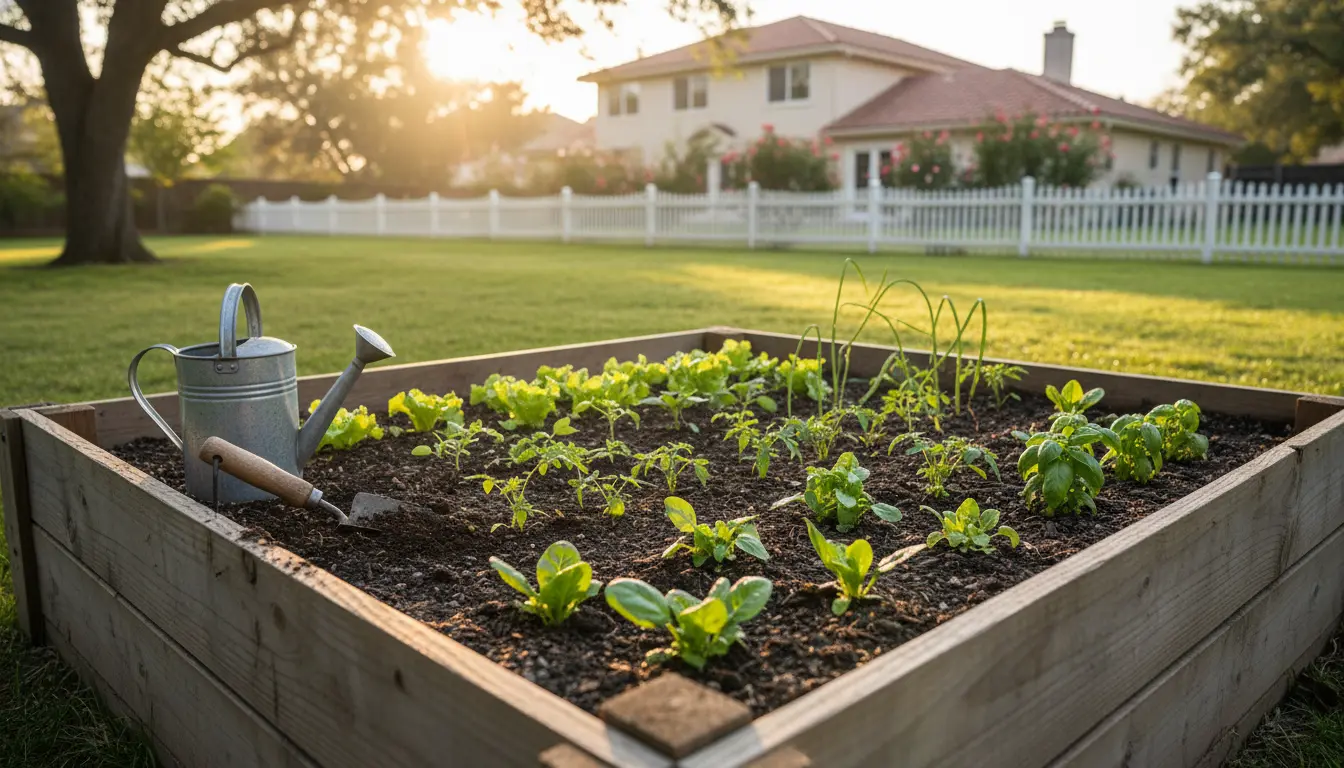
Starting a vegetable garden can be simple and rewarding. This guide walks you through practical steps to plan, prepare, and maintain a productive garden, even in a small backyard or on a balcony.
Planning Your Vegetable Garden
Good results begin with planning. Choose a location that gets at least 6 hours of direct sunlight per day for most vegetables.
Consider space, access to water, and convenience. Raised beds, containers, or a small in-ground plot all work depending on your site and budget.
Choosing What to Grow
Start with easy, high-yield vegetables that match your climate and tastes. Popular beginner choices include tomatoes, lettuce, bush beans, radishes, and herbs.
Use a small list of plants in year one to help you learn care routines without becoming overwhelmed.
Soil Preparation and Testing
Soil quality has the biggest influence on garden success. Good soil drains well, holds moisture, and supplies nutrients.
Test your soil pH and nutrient levels with a simple kit or send a sample to a local extension service for recommendations.
Improving Soil for a Vegetable Garden
If your soil is heavy clay or sandy, amend it with organic matter. Add compost, well-rotted manure, or leaf mold to improve structure and fertility.
For raised beds, use a mix of topsoil, compost, and a small amount of balanced garden soil for best results.
Planting: Timing and Techniques
Planting at the right time is crucial. Use your USDA hardiness zone or local planting calendar to know last frost dates and optimal planting windows.
Follow seed packet or plant label instructions for depth and spacing. Overcrowding reduces airflow and increases disease risk.
Seed vs. Transplants
Direct-sow quick crops like radishes, carrots, and beans. Use transplants for longer-season crops like tomatoes and peppers to gain a head start.
Hardening off transplants for a week by gradually exposing them to outdoor conditions prevents shock at planting.
Watering and Feeding Your Vegetable Garden
Consistent moisture is more important than frequent shallow watering. Aim for deep, infrequent watering to encourage strong root growth.
Use drip irrigation or a soaker hose to reduce evaporation and keep leaves dry, which helps prevent disease.
Fertilizing Schedule
Apply a balanced organic fertilizer at planting and side-dress with compost or a light fertilizer during the growing season as needed.
Leafy crops often need more nitrogen; fruiting crops benefit from balanced nutrients and steady potassium supply.
Pest and Disease Management
Prevent problems with good cultural practices: crop rotation, proper spacing, and clean tools. Monitor plants weekly for signs of pests or disease.
Use physical barriers, hand-picking, or organic options like insecticidal soap for common pests. Introduce beneficial insects such as ladybugs where possible.
Common Issues and Fixes
- Aphids: Spray with water or apply insecticidal soap.
- Tomato blight: Remove and destroy affected leaves; avoid overhead watering.
- Slugs: Use diatomaceous earth or traps near affected plants.
Seasonal Care and Harvesting
Mulch around plants to retain moisture, suppress weeds, and moderate soil temperature. Replenish mulch as needed throughout the season.
Harvest regularly to encourage continued production. Leafy greens can be cut as baby leaves or harvested outer leaves for extended yields.
End of Season Tasks
At the end of the growing season, remove spent plants and compost healthy plant material. Consider cover cropping or adding a fresh layer of compost for winter soil health.
Clean and store tools, and plan next year’s crop rotation to reduce disease and nutrient depletion.
Small Case Study: A 10×10 Backyard Garden
Sarah converted a 10×10 patch of lawn into a vegetable garden using two raised beds. She chose tomatoes, bush beans, lettuce, and herbs for easy maintenance.
After testing soil and adding compost, she planted in early spring and used drip irrigation for consistent watering. By mid-summer she harvested lettuce weekly and multiple tomato batches.
Lessons learned: start small, test soil early, and use drip irrigation to save time. Sarah’s first season produced enough vegetables for family meals and reduced grocery trips.
Basic Tools and Materials
You don’t need many tools to begin. Essentials include a spade, hand trowel, garden fork, hose or watering can, and a soil test kit.
- Raised bed materials or containers
- Organic compost and mulch
- Seeds or transplants
- Drip hose or soaker hose (optional)
Quick Checklist to Start a Vegetable Garden
- Choose location with adequate sun and water access.
- Test soil and add organic matter if needed.
- Select 4–6 easy crops for your first season.
- Prepare beds, plant at correct depth and spacing.
- Set up watering system and mulching routine.
- Monitor for pests and harvest regularly.
Starting a vegetable garden is a learning process. Begin with realistic goals, observe your garden weekly, and adjust care based on plant needs and local conditions. With simple planning and regular attention, you can grow fresh produce at home and enjoy better food and a satisfying hobby.