
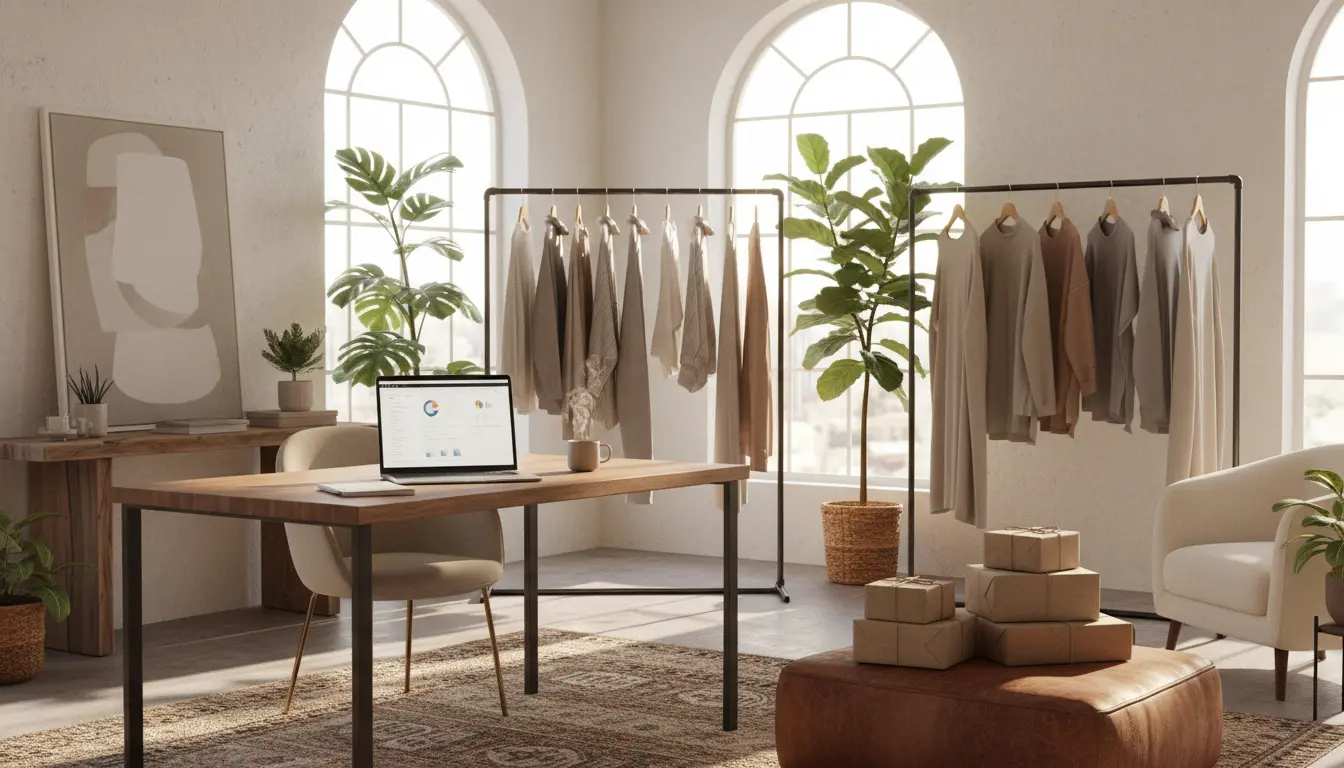
Planning to Start a Small Online Boutique
Starting a small online boutique begins with a clear plan. Identify your niche, target customer, and product mix before you invest in inventory or a website.
Decide whether you will sell handmade goods, curated brands, vintage items, or print-on-demand products. Each model has different setup costs and fulfillment needs.
Define Your Niche and Target Market
Pick a focused niche to reduce competition and improve marketing efficiency. Examples: sustainable womenswear, petite formalwear, or graphic tees for pet owners.
Create a short customer profile: age, income, shopping habits, and preferred social platforms. This profile will drive product selection and messaging.
Set Up Your Business Basics
Register your business, choose a legal structure, and set up a business bank account. These steps protect your personal assets and make accounting simpler.
Obtain any required permits and check tax rules for online sales in your region. Keep records from day one to simplify bookkeeping.
Choose Suppliers and Inventory Strategy
Decide between holding inventory, dropshipping, or print-on-demand. Each option affects cash flow, shipping speeds, and control over quality.
- Holding inventory: higher upfront cost, faster fulfillment.
- Dropshipping: low startup cost, less control over shipping and quality.
- Print-on-demand: great for designs, minimal storage, variable margins.
Build Your Online Store
Select an e-commerce platform that fits your needs. Popular choices include Shopify, WooCommerce, and BigCommerce.
Focus on a clean, mobile-friendly design that makes browsing products simple. Fast checkout and clear shipping policies reduce cart abandonment.
Product Pages and SEO
Optimize product titles and descriptions with relevant keywords like “small online boutique,” product type, and key attributes. Use natural, informative language that answers buyer questions.
Add high-quality photos, size charts, and clear return information. These details lower returns and increase conversions.
Pricing and Shipping Strategy
Set prices that cover costs, shipping, and a reasonable margin. Track cost of goods sold (COGS) and include overhead when calculating break-even prices.
Offer clear shipping options: free shipping over a threshold, flat rate, and expedited choices. Be transparent about delivery times.
Packaging and Unboxing Experience
Small touches in packaging improve customer loyalty. Include a thank-you note, care instructions, or a discount code for the next purchase.
Simple, branded packaging can increase repeat business without high costs. Consider eco-friendly materials if sustainability is part of your brand promise.
Marketing Your Small Online Boutique
Begin with a launch plan that includes email capture, social media, and at least one paid test campaign. Track which channels bring the most qualified traffic.
Content marketing and SEO build long-term organic traffic. Publish helpful posts or lookbooks that match customer searches and link to product pages.
Social Media and Influencer Tactics
Use Instagram and Pinterest for visual discovery. Post styled product photos, behind-the-scenes content, and customer photos.
Work with micro-influencers who have engaged, niche audiences. Offer free samples or small commissions to test product-market fit and gather social proof.
About 50% of small online retailers see their first steady sales from social media posts combined with a focused email list within the first six months.
Operations: Fulfillment, Returns, and Customer Service
Document your fulfillment workflow from order receipt to shipment. Clear procedures reduce mistakes and keep customers satisfied.
Set a fair returns policy and communicate it clearly. Fast, courteous customer service turns problems into repeat customers.
Tools to Automate Operations
Use inventory and order management tools that sync with your store. Automate email receipts, shipping labels, and low-stock alerts.
Common tools: Shopify apps, ShipStation, and inventory plugins for WooCommerce. Automation saves time as orders grow.
Small Case Study: Emma’s Capsule Wardrobe Shop
Emma launched a small online boutique selling a capsule collection of sustainable tops and skirts. She began with 30 SKUs and a focused Instagram strategy.
Within three months, Emma averaged 25 orders per week and grew her email list to 1,200 subscribers. She reinvested profits into targeted ads that doubled monthly revenue in month four.
Key takeaways from Emma’s launch: focus on one niche, invest in product photography, and use email to capture repeat buyers.
Common Mistakes to Avoid When Starting a Small Online Boutique
- Trying to sell too many unrelated products at launch.
- Neglecting mobile optimization and fast checkout.
- Ignoring customer service and shipping transparency.
Next Steps to Launch
Create a 90-day launch plan that includes product sourcing, website setup, and at least one marketing experiment per month. Track metrics: conversion rate, average order value, and customer acquisition cost.
Start small, test, and iterate. Focused execution and clear customer value will help your small online boutique grow sustainably.