
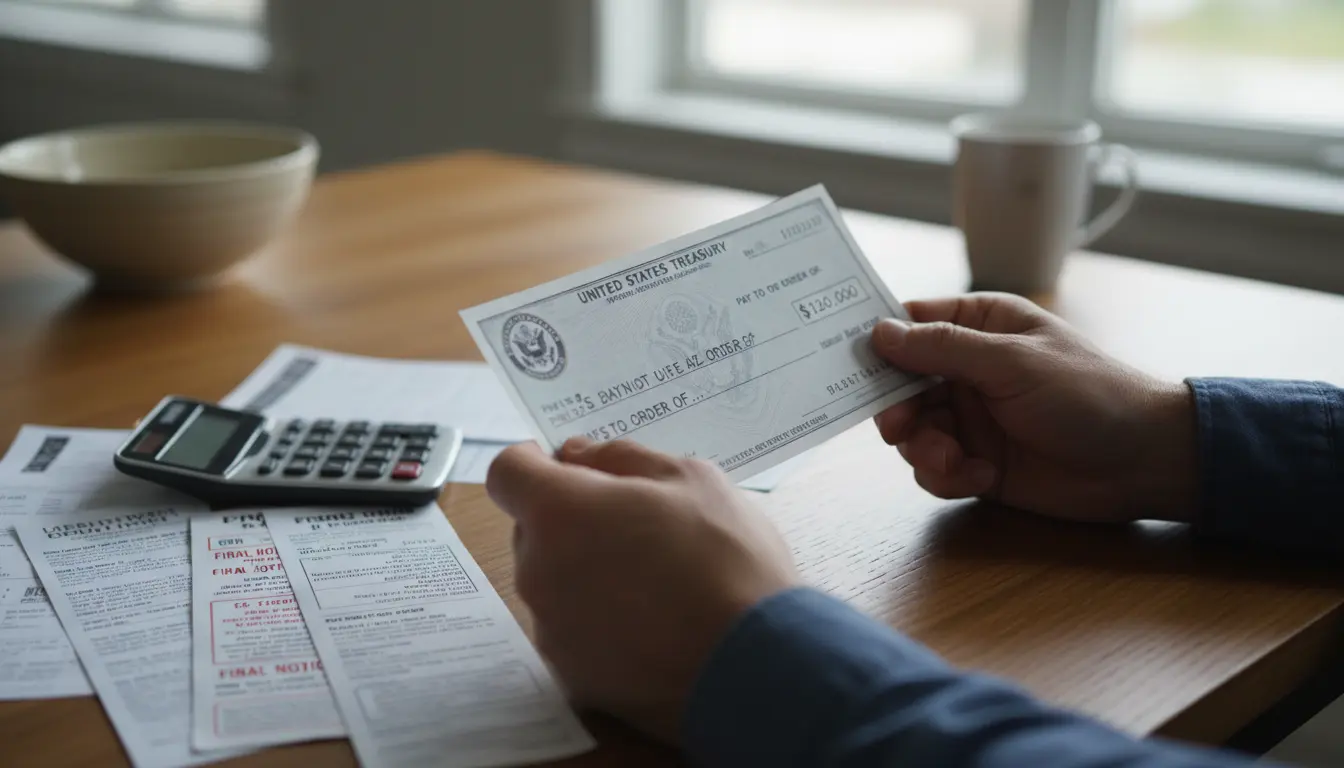
Overview of Federal $2,000 Deposits Kick Off New Year
The federal government began sending $2,000 deposits early in the new year. This guide explains February 2026 eligibility rules, the likely payment timeline, and what beneficiaries must do to get funds securely and on time.
February 2026 Eligibility Rules for Federal $2,000 Deposits
Eligibility varies by the program that funds these deposits. Common qualifying factors include income limits, filing status, and benefit enrollment.
Key eligibility checkpoints to verify:
- Whether you filed required federal returns for the most recent year or submitted an eligibility form.
- Your adjusted gross income (AGI) or household income falls within program limits.
- You are enrolled in a qualifying federal benefit program (if applicable).
Documents and information commonly used to determine eligibility
- Tax returns (most recent year)
- Social Security Number or Individual Taxpayer Identification Number
- Proof of benefits enrollment (SSA, VA, state agencies)
- Direct deposit details or current mailing address
Payment Timeline for Federal $2,000 Deposits Kick Off New Year
Payment schedules usually follow a phased rollout to reduce processing errors. Expect the timeline to include direct deposit first, then paper checks and prepaid cards.
Typical phases to watch for in February 2026:
- Early February: initial batch of direct deposits to people with verified banking details.
- Mid February: additional direct deposits and some electronic transfers to federal benefit recipients.
- Late February to March: mailed paper checks and prepaid debit cards for those without direct deposit information.
How payments are often prioritized
- People with earlier submission dates or up-to-date direct deposit info.
- Recipients of Social Security or Veterans benefits, if the program coordinates with those agencies.
- Households that filed taxes or used an official registration portal before the cutoff.
What Beneficiaries Must Do to Receive Federal $2,000 Deposits
Taking a few simple actions will help ensure you receive payments quickly and avoid delays.
- Confirm eligibility on official sites. Check IRS.gov, SSA.gov, VA.gov, or the program website named in your notice.
- Verify or add direct deposit details using the agency’s secure portal. Direct deposit is the fastest method.
- Update your mailing address if you expect a paper check. Use the same secure portal where you receive benefits or file taxes.
- Keep documentation handy: tax returns, ID numbers, and benefit letters.
- Watch for official letters or emails announcing the payment and any required steps.
Safe ways to update information
- Use official agency websites only (look for .gov domains).
- Avoid sharing personal data by phone or email unless you initiated contact and verified the number or address.
- Keep copies of confirmation pages or screenshots after you save updates.
Many federal payment programs allow a short window for retroactive enrollment or address updates. Checking official portals within the first weeks of the rollout can prevent delays in receiving a deposit.
Common Issues and How to Fix Them
Even with a smooth rollout, some beneficiaries will see delays or discrepancies. Knowing common issues helps you act fast.
- Missing direct deposit: confirm routing and account numbers are correct; contact your bank if the deposit shows pending.
- Wrong payment amount: keep notices and recent tax records available and contact the issuing agency if the difference persists.
- No notice received: check spam folders for electronic notices and verify your mailing address in program portals.
When to contact agencies
If 30 days pass without payment or notice, contact the agency named in the announcement. Have your ID, benefit numbers, and recent tax return available to speed resolution.
Real-World Example: How One Beneficiary Handled the Deposit
Case study: Maria, a 62-year-old retiree, learned of the $2,000 deposit via a letter sent in late January. She followed three clear steps.
- She logged into the SSA portal to confirm her address and direct deposit. The portal showed no direct deposit on file.
- Maria entered her bank routing and account numbers, saved the confirmation, and printed the confirmation screen.
- She watched her account in early February and saw the deposit arrive by the second week.
Maria’s example shows how updating information in official portals often avoids delays and mailed check hassles.
Practical Checklist Before the Deposit Arrives
- Verify eligibility and required documents are up to date.
- Confirm direct deposit or mailing address on the proper government portal.
- Save confirmation numbers and copies of any forms submitted.
- Know the correct agency phone numbers and secure web addresses.
- Be alert for scams: the government will not ask for bank PINs or passwords by phone or email.
Final Thoughts on Federal $2,000 Deposits Kick Off New Year
February 2026 deposits are rolling out in phases. Beneficiaries should confirm eligibility, update direct deposit details, and monitor official portals for timelines and notices. Quick, simple actions will reduce delays and improve the chance of getting funds on time.
If you remain unsure which agency is handling your payment, contact the office that administers the program mentioned in your official notice. Always use verified .gov websites and keep records of any updates you submit.