
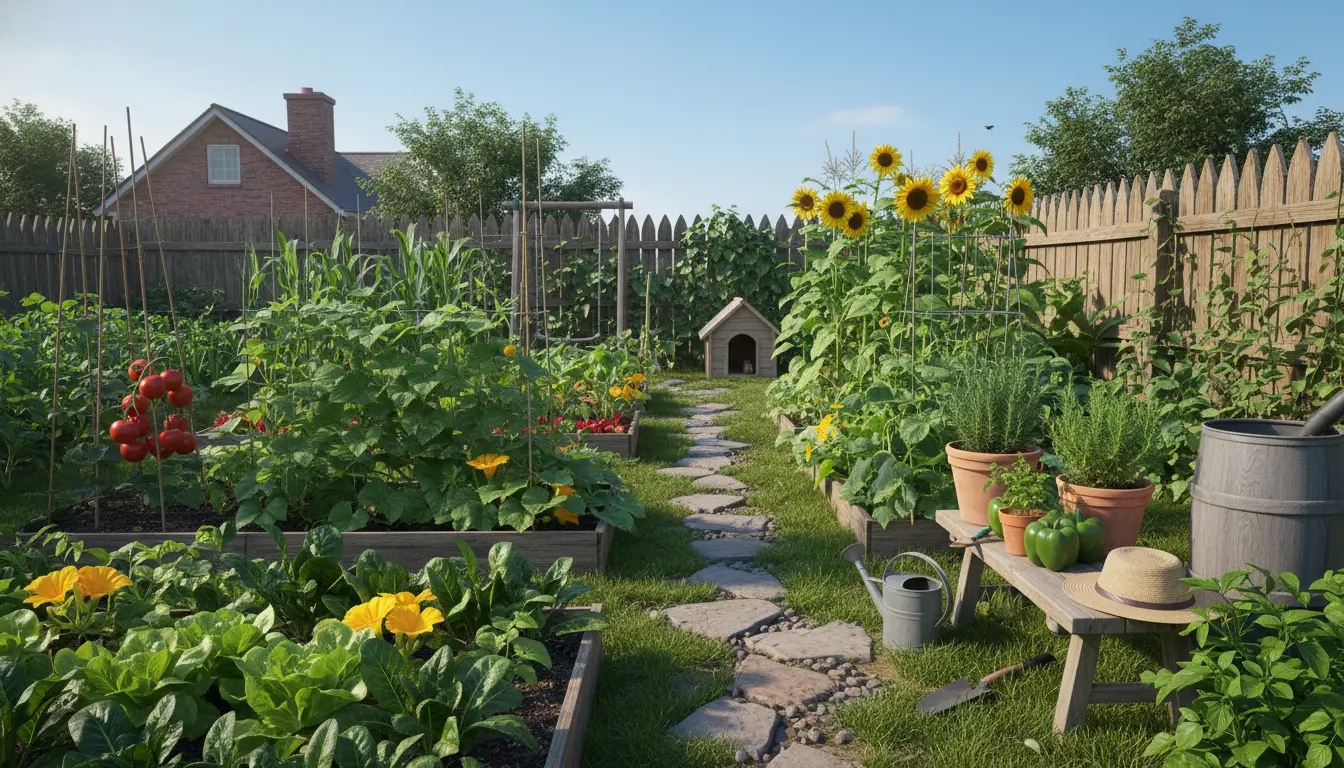
How to Start a Small Vegetable Garden: Overview
Starting a small vegetable garden is an achievable project for most homes, patios, or balconies. This guide breaks the process into clear steps so you can go from planning to harvest with minimal confusion.
How to Start a Small Vegetable Garden: Plan Your Space
Choose a site with at least 4–6 hours of direct sunlight a day. Vegetables need light for healthy growth, so observe sun patterns before you commit to a spot.
Decide on a garden type: in-ground rows, raised beds, or containers. Each option affects soil, watering, and plant choice.
Assess size and access
A simple 4×4 or 4×8 raised bed can support a family of two for fresh herbs and salad greens. Make sure the bed is close to a water source and easy to reach for weeding and harvesting.
How to Start a Small Vegetable Garden: Choose What to Grow
Prioritize vegetables you and your household actually eat. Start with easy, high-yield crops like lettuce, radishes, tomatoes, beans, and herbs.
Consider seasonality. Cool-season crops (lettuce, spinach) differ from warm-season crops (tomatoes, peppers). Plan planting dates based on your local frost dates.
Beginner-friendly plant list
- Leafy greens: lettuce, spinach, kale
- Root vegetables: radish, carrot
- Fruiting plants: cherry tomatoes, bush beans
- Herbs: basil, parsley, cilantro
How to Start a Small Vegetable Garden: Prepare Soil and Beds
Good soil is the foundation of success. If using in-ground soil, test pH and texture. Most vegetables prefer slightly acidic to neutral soil (pH 6.0–7.0).
Raised beds and containers need a quality growing mix. Use a blend of compost, topsoil, and a light, well-draining amendment like perlite or coarse sand.
Soil preparation steps
- Clear the area of grass and weeds.
- Loosen soil to a depth of 8–12 inches.
- Mix in 2–3 inches of compost for organic matter.
- Adjust pH if necessary with lime or sulfur according to test results.
How to Start a Small Vegetable Garden: Planting and Spacing
Follow seed packet or plant tag spacing recommendations to avoid overcrowding. Proper spacing improves airflow and reduces disease risk.
Plant taller crops on the north side of the bed to avoid shading smaller plants. Use companion planting to make efficient use of space.
Example planting layout for a 4×8 bed
- Row 1: Lettuce succession planted every 2 weeks
- Row 2: Bush beans in blocks for easy picking
- Row 3: Tomatoes staked with basil at the base
- Row 4: Carrots and radishes interplanted
How to Start a Small Vegetable Garden: Watering and Fertilizing
Consistent watering is critical. Most vegetables need 1–1.5 inches of water per week, supplied evenly. Water in the morning to reduce evaporation and disease.
Fertilize based on plant needs. A balanced organic fertilizer or compost tea applied every 3–4 weeks supports steady growth without excess foliage at the expense of fruit.
How to Start a Small Vegetable Garden: Pest and Weed Management
Prevent problems with good cultural practices: crop rotation, clean tools, and removal of diseased plants. Mulch around plants to suppress weeds and retain moisture.
Use physical barriers (row covers) or manual removal before reaching for chemical controls. Encourage beneficial insects by planting flowers and herbs.
How to Start a Small Vegetable Garden: Maintenance and Harvest
Spend 10–15 minutes several times a week checking for pests, watering needs, and deadheading spent plants. Regular light tasks prevent bigger problems later.
Harvest frequently to encourage more production. Leafy greens and herbs often produce longer when regularly picked.
Small Case Study: Sarah’s 4×8 Raised Bed Success
Sarah started a 4×8 raised bed on her apartment patio. She chose cherry tomatoes, basil, lettuce, and bush beans based on family preferences.
By mixing compost into purchased topsoil and following a simple watering schedule, she had fresh salad greens in three weeks and a steady tomato harvest by mid-summer. Her key actions were consistent watering, mulching, and weekly checks for aphids.
Radishes are one of the fastest vegetables to harvest, often ready in as little as 25 days. Planting radishes between slower crops helps make efficient use of space.
How to Start a Small Vegetable Garden: Troubleshooting Common Issues
Yellow leaves often indicate nutrient deficiency or overwatering. Check soil moisture and feed with compost if needed.
Stunted plants can result from compacted soil or poor root space. Loosen soil and ensure containers are large enough for the chosen crop.
Quick checklist before you start
- Confirm sunlight hours and water access
- Choose 3–6 easy crops to start
- Prepare soil or choose a quality mix
- Set a simple watering and maintenance routine
Starting a small vegetable garden is a learning process. Begin with a modest plan, keep records of planting dates and results, and expand as you gain confidence. With consistent care, you can enjoy fresh vegetables from your own space.