
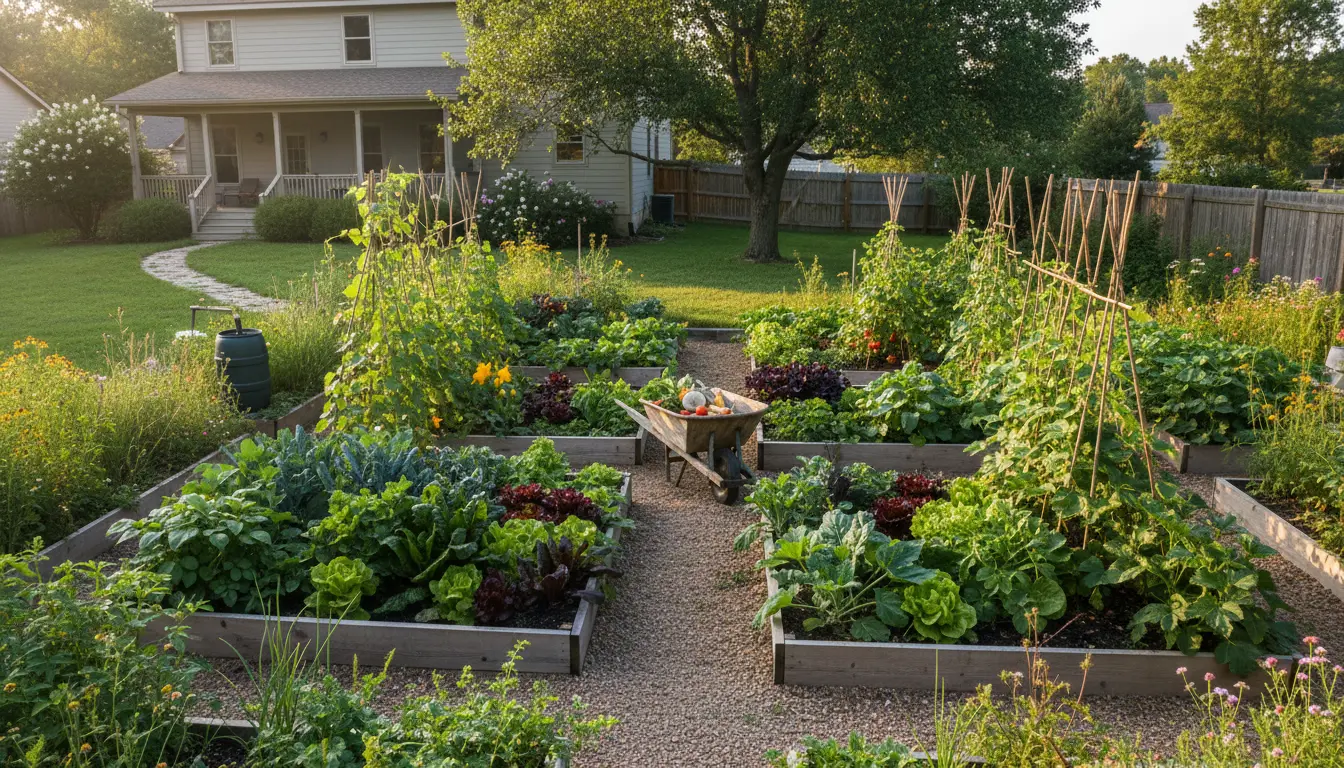
Getting Ready to Start a Vegetable Garden
Starting a vegetable garden is manageable with basic planning and a handful of tools. This guide walks you through practical steps to choose a site, prepare soil, select crops, and maintain your garden for reliable harvests.
How to Plan Before You Start a Vegetable Garden
Good planning reduces mistakes and wasted effort. Spend time mapping the space and choosing what to grow based on your climate, available light, and family preferences.
- List vegetables your household eats regularly.
- Check your USDA hardiness zone or local climate guide.
- Decide on containers, raised beds, or in-ground rows.
Steps to Start a Vegetable Garden: Quick Checklist
- Measure and map the planting area.
- Test or evaluate soil (drainage, texture, pH).
- Choose 4–6 easy crops for the first season.
- Gather basic tools and compost.
Choose the Right Location to Start a Vegetable Garden
Vegetables generally need 6–8 hours of direct sunlight. Observe sunlight patterns for several days before deciding where to place beds.
Good location factors:
- Full sun for most vegetables.
- Flat or gently sloped ground to avoid erosion.
- Close to a water source for easier irrigation.
- Accessible for regular care and harvesting.
Prepare Soil and Compost for Your Vegetable Garden
Soil quality is the most important factor for a productive vegetable garden. Focus on structure, nutrients, and organic matter.
Basic soil preparation steps:
- Remove grass and weeds from the planned bed.
- Loosen soil to 8–12 inches for roots to develop.
- Add 2–4 inches of compost and mix it into the topsoil.
- If soil is heavy clay or sandy, amend with compost and a balanced organic fertilizer.
Soil Testing Tips
Use a simple soil test kit or send a sample to your local extension service. Aim for pH 6.0–7.0 for most vegetables and adjust with lime or sulfur if needed.
Planting and Spacing Tips When You Start a Vegetable Garden
Follow seed packet or plant tag spacing to avoid overcrowding. Proper spacing improves air circulation and reduces disease pressure.
Easy starter crops:
- Leafy greens (lettuce, spinach)
- Radishes and carrots
- Green beans and peas
- Tomatoes and peppers (with staking)
Succession Planting to Extend Harvests
Plant crops in intervals to stagger harvests. For example, sow a small row of lettuce every two weeks to ensure fresh leaves for months.
Watering, Mulching, and Care for Your Vegetable Garden
Consistent moisture is essential. Water deeply and less frequently rather than shallow daily watering.
- Water early morning to reduce evaporation and disease.
- Use soaker hoses or drip irrigation to target roots.
- Apply 2–3 inches of organic mulch to retain moisture and suppress weeds.
Fertilizing Guidelines
Feed plants based on their needs: leafy crops prefer higher nitrogen, while fruiting crops benefit from balanced N-P-K. Use organic fertilizers or compost teas as a gentle feed.
Pest Control and Maintenance When You Start a Vegetable Garden
Integrated pest management (IPM) keeps problems manageable. Monitor frequently and act early.
- Handpick large pests like caterpillars and beetles.
- Encourage beneficial insects with flowering herbs and companion plants.
- Use row covers for early-season insect protection.
- Rotate crop families each year to reduce soil-borne diseases.
Simple Seasonal Calendar to Start a Vegetable Garden
Follow a seasonal plan to succeed:
- Spring: Start seeds indoors for tomatoes, peppers; direct-sow peas and carrots.
- Summer: Maintain watering and harvest; plant a second sowing of quick greens.
- Fall: Sow cool-season crops and cover crops to restore soil.
Small Real-World Example
Case study: Laura in Portland started a 4×8 raised bed in April. She planted lettuce, radishes, bush beans, and two tomato plants. She amended the bed with local compost and used a soaker hose on a 20-minute twice-weekly schedule.
Results: By July she harvested continuous salad greens and a steady supply of tomatoes through September. Minor aphid issues were managed with a strong water spray and ladybug release.
Planting marigolds near tomatoes can help reduce certain soil nematodes and attract beneficial insects. Companion planting can lower pest pressure without chemicals.
Final Tips to Start a Vegetable Garden Successfully
Keep records of planting dates, varieties, and harvest yields. Small experiments help you learn what grows best in your space.
Start small, focus on a few reliable crops, and expand in the second year. Consistency in watering, timely weeding, and soil care will make your vegetable garden productive and rewarding.