
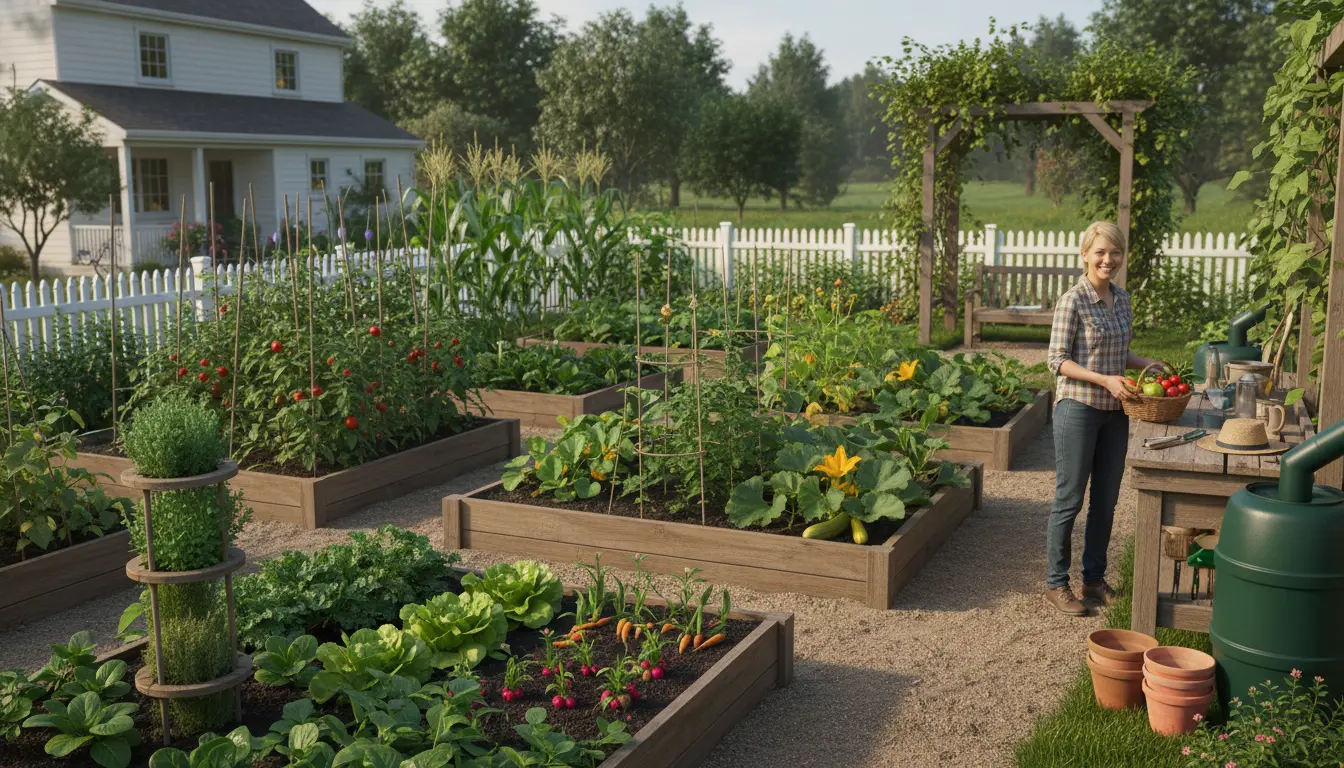
Start Growing: Your First Vegetable Garden Made Simple
Starting a vegetable garden can seem overwhelming, but clear steps make it manageable for any beginner. This guide explains how to start a vegetable garden with practical planning, planting, and care advice.
Why Start a Vegetable Garden
A vegetable garden provides fresh food, reduces grocery costs, and improves well-being. It also teaches seasonal rhythms and gives control over what you eat.
Benefits of a vegetable garden
- Fresh, flavorful produce at lower cost than store-bought items.
- Better nutrition from vegetables harvested at peak ripeness.
- Reduced food miles and less packaging waste.
How to Start a Vegetable Garden: Planning
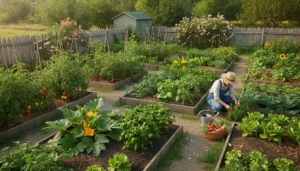
Good planning saves time and frustration. Spend a little time choosing location, size, and vegetables before you plant.
Choose location and assess soil for your vegetable garden
Select a spot with at least 6 hours of sunlight per day for most vegetables. Easy sun-loving crops include tomatoes, peppers, and cucumbers.
Test soil by checking drainage and texture. Raised beds can fix poor soil or drainage quickly and are beginner-friendly.
Decide what to grow in your vegetable garden
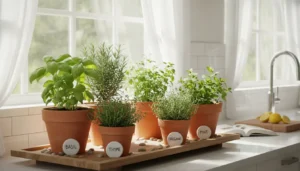
Start with a few easy crops that match your climate and season. Consider what you cook often to avoid waste.
- Beginner-friendly vegetables: lettuce, radishes, bush beans, zucchini, cherry tomatoes.
- Herbs to add flavor: basil, rosemary, parsley.
- Stagger planting to extend harvest: plant lettuce every 2–3 weeks in spring.
Preparing the Bed and Soil for a Vegetable Garden
Preparing the bed improves yield and reduces pests and weeds. Focus on soil structure and organic matter.
Soil improvement steps
- Clear weeds and rocks from the site.
- Loosen soil to about 8–12 inches deep for root crops.
- Add 2–3 inches of compost and mix it into the top 6–8 inches of soil.
- Consider a soil test for pH and nutrient needs; amend based on results.
Planting and Care for Your Vegetable Garden
Planting at the correct time and using the right spacing reduces disease and increases productivity. Follow seed packet or plant tag instructions.
Planting tips for a successful vegetable garden
- Sow seeds at the depth noted on the packet; cover lightly and water gently.
- Thin seedlings to the recommended spacing to prevent crowding and disease.
- Use mulch to conserve moisture and suppress weeds.
Watering, fertilizing, and pest control in your vegetable garden
- Water deeply once or twice a week depending on weather; avoid shallow daily watering.
- Use balanced organic fertilizer or compost tea during key growth stages.
- Practice integrated pest management: row covers, hand-picking, beneficial insects, and targeted organic sprays if needed.
Planting marigolds beside tomatoes can reduce some soil pests and attract beneficial insects. Companion planting is a simple, low-cost tool for small vegetable gardens.
Small Real-World Example: One-Season Case Study
Case study: Sarah, a new gardener with a 10×4 ft raised bed, followed basic planning and grew a summer vegetable garden.
She planted six cherry tomato plants, four zucchini, two basil, and a staggered row of lettuce. By mid-summer she harvested continuous salad greens and 20+ pounds of tomatoes over 3 months.
Key lessons from her season: start small, use stakes for tomatoes, and mulch to reduce watering needs. Her investment was under $150 and she saved about $120 in grocery costs while enjoying fresher produce.
Troubleshooting and Seasonal Tips for a Vegetable Garden
Common challenges are pests, nutrient deficiencies, and irregular watering. Observe plants often and act early when problems appear.
Quick fixes and seasonal actions
- Yellowing leaves: check watering and add compost or balanced fertilizer if needed.
- Aphids or small pests: hose off plants or introduce ladybugs.
- Late-season: plant cool-season crops like spinach and kale in late summer for fall harvest.
Practical Checklist to Start a Vegetable Garden
- Pick a sunny spot and choose bed size based on available time.
- Amend soil with compost and create raised beds if necessary.
- Select 4–6 easy crops you eat regularly and plant in stages.
- Mulch, water deeply, and monitor pests weekly.
- Keep a simple garden journal to track planting dates and harvests.
Starting a vegetable garden is mostly about consistent, small efforts. With basic planning and simple care you can harvest fresh vegetables within weeks and improve each season as you learn.