
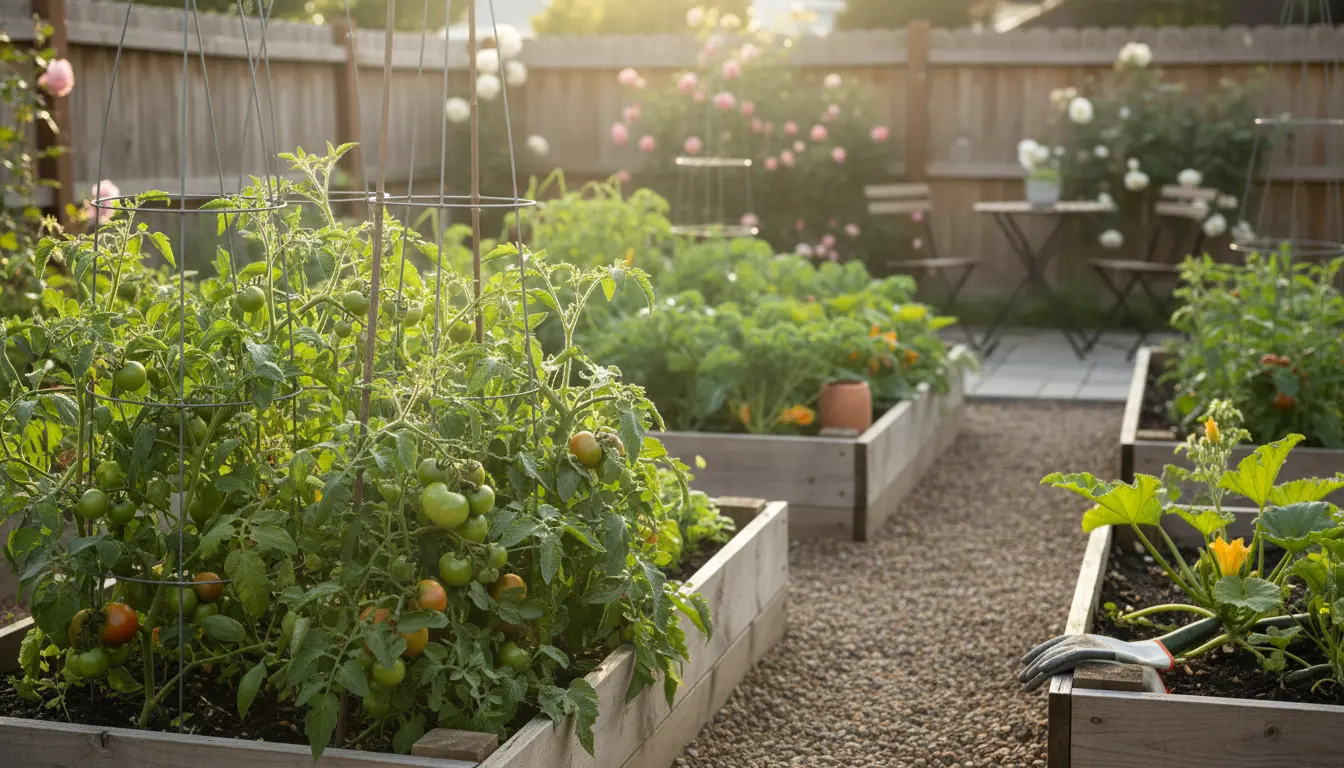
How to Start a Vegetable Garden: First Steps
Starting a vegetable garden can feel overwhelming, but a clear plan makes it manageable. Begin by choosing a site with good sunlight, easy access to water, and enough space for the vegetables you want to grow.
Think about scale: a few raised beds, container pots on a balcony, or a small backyard plot. Decide what you want to harvest and how much time you can commit weekly.
How to Start a Vegetable Garden: Planning and Layout
Plan your garden layout before you dig. Sketch a simple map noting sun exposure, wind direction, and paths for access.
Use these layout tips:
- Place taller crops like corn or trellised beans to the north to avoid shading shorter plants.
- Leave at least 2–3 feet between beds for comfortable access and maintenance.
- Consider companion planting to reduce pests and maximize space.
Choosing Vegetables for Your Climate
Select vegetables suited to your growing zone and season. Leafy greens, radishes, and peas do well in cool seasons, while tomatoes, peppers, and squash prefer warm weather.
Check seed packet maturity days to match your frost dates and growing window.
How to Start a Vegetable Garden: Soil Preparation
Good soil is the foundation of a productive vegetable garden. Aim for loose, well-draining soil rich in organic matter.
Key soil steps:
- Test pH and nutrients with a simple kit. Most vegetables prefer pH 6.0–7.0.
- Add compost to improve structure and fertility. Spread 2–4 inches and mix into the top 6–8 inches of soil.
- Use well-rotted manure or organic amendments for long-term fertility, avoiding fresh manure that can burn plants.
Raised Beds and Containers
Raised beds and containers speed warming in spring and control soil quality. Fill containers with a mix of quality potting soil and compost for best results.
Ensure containers have drainage holes and choose sizes appropriate to root depth—deep pots for tomatoes and peppers, shallow for lettuces.
How to Start a Vegetable Garden: Planting and Spacing
Follow seed packet and plant label instructions for depth and spacing. Crowding reduces airflow and increases disease risk.
Planting tips:
- Direct sow root crops like carrots and beets where they will grow undisturbed.
- Start tomatoes and peppers indoors if you have a short season, and transplant after the last frost.
- Succession plant quick crops (radish, lettuce) every 2–3 weeks to extend harvest.
How to Start a Vegetable Garden: Watering and Care
Consistent watering is crucial for steady growth and flavor. Most vegetables need about 1–1.5 inches of water per week, applied at the base of plants.
Use drip irrigation or soaker hoses to reduce disease and conserve water. Mulch around plants to retain moisture and suppress weeds.
Pest and Disease Management
Monitor plants regularly for pests and signs of disease. Early detection often allows simple, non-toxic solutions.
Practical controls:
- Hand-pick large pests like beetles or caterpillars.
- Use row covers to protect seedlings from insects.
- Encourage beneficial insects by planting flowers like marigolds or alyssum.
How to Start a Vegetable Garden: Harvesting and Rotation
Harvest vegetables at peak ripeness for best flavor and nutrition. Frequent harvesting can encourage more production for crops like beans and zucchini.
Practice crop rotation each year to reduce soil-borne diseases and nutrient depletion. Avoid planting the same family in the same spot consecutively.
Planting a border of herbs and flowers around your vegetable beds can attract pollinators and beneficial insects, improving yields with minimal effort.
Real-World Example: Small Urban Garden Case Study
Case study: A small urban gardener transformed a 10 x 6 foot raised bed into a steady summer supply of tomatoes, lettuce, and beans. They started by testing soil, adding 3 inches of compost, and selecting compact tomato varieties.
They used drip irrigation on a timer, mulched with straw, and rotated beans with brassicas the next season. Result: continuous harvestes and a 40% reduction in store-bought produce for the family.
Simple Tools and Supplies to Get Started
You only need a few essential tools to start: a spade, hand trowel, garden fork, watering method, and gloves. Quality tools make tasks faster and reduce strain.
Optional supplies that help beginners:
- Raised bed kits or large containers
- Soil test kit and pH adjusters
- Mulch, compost, and organic fertilizer
- Row covers and stakes or trellises
Final Tips for Success
Start small and expand as you gain experience. Keep a simple garden journal logging planting dates, varieties, and harvest yields to learn what works in your space.
Stay patient and observe—gardening is a seasonal skill that improves each year.