
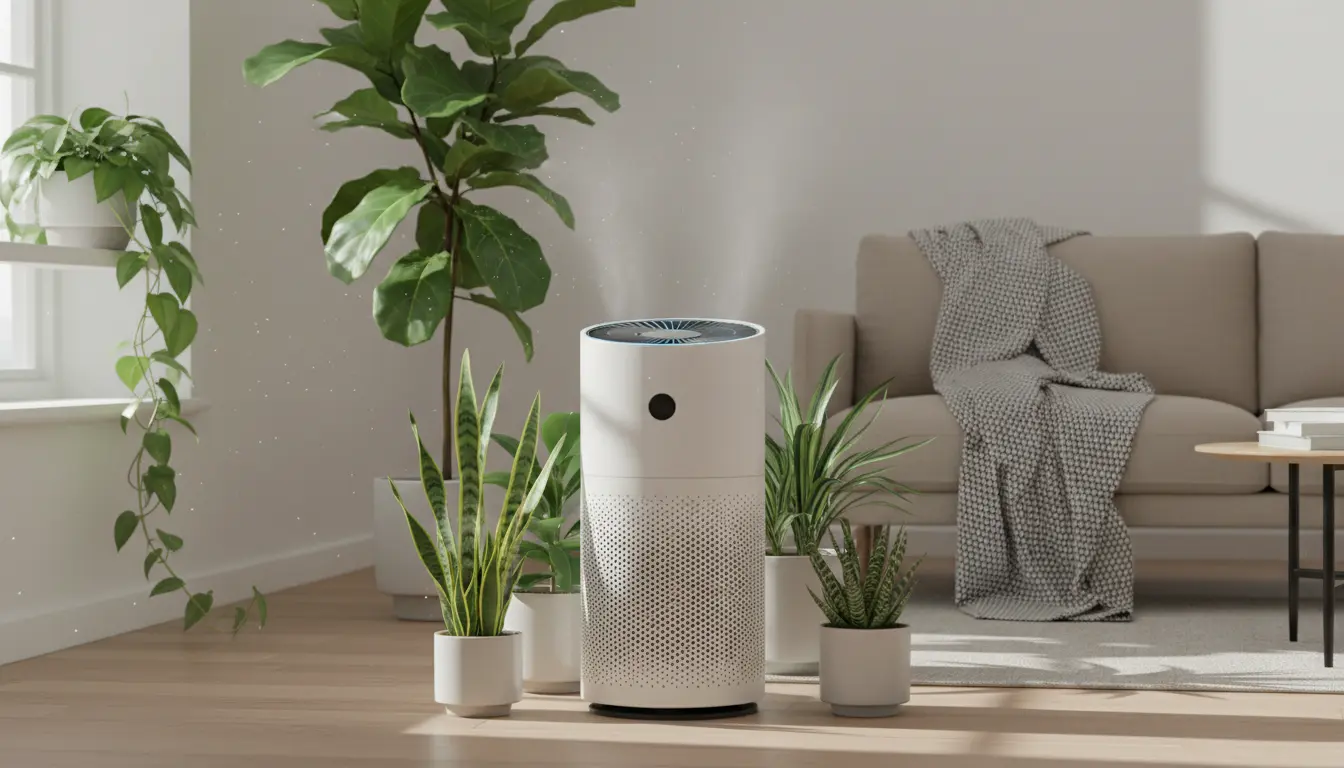
Indoor air quality affects comfort, health, and productivity. This guide offers practical, step-by-step measures you can apply in most homes to reduce pollutants and improve the air you breathe.
How to Improve Indoor Air Quality at Home: Key Principles
Improving indoor air quality focuses on three main actions: remove sources of pollution, ventilate to exchange indoor and outdoor air, and clean or filter the air that remains. Apply all three together for the best results.
Identify and Reduce Pollution Sources
Start by finding common indoor pollutants and reducing them. Typical sources include combustion (stoves, candles), smoking, volatile organic compounds (VOCs) from paints and cleaners, and excess moisture that supports mold.
- Use electric or well-vented appliances for cooking when possible.
- Avoid indoor smoking and limit candles or incense.
- Choose low-VOC paints, adhesives, and cleaning products.
- Store solvents, paints, and gasoline outdoors or in sealed containers.
Ventilation Strategies to Improve Indoor Air Quality at Home
Ventilation reduces the concentration of indoor pollutants. Aim for consistent, controlled air exchange without causing drafts or energy waste.
Practical ventilation steps:
- Use kitchen range hoods that vent outside while cooking.
- Run bathroom fans during and after showers to control humidity.
- Open windows for 10 to 15 minutes daily when outdoor air quality is good.
- Consider controlled mechanical ventilation systems for airtight homes.
Use Air Purifiers and Filters
Air purifiers can remove particles and some gases. Choose devices based on room size and pollutant type.
- HEPA filters capture particles like dust, pollen, and many aerosols.
- Activated carbon filters reduce some odors and VOCs.
- Verify Clean Air Delivery Rate (CADR) for room size and replace filters per manufacturer guidance.
Humidity Control and Mold Prevention
Humidity affects comfort and pollutant levels. High humidity supports mold and dust mites, while very low humidity irritates airways.
- Keep indoor relative humidity between 30% and 50%.
- Use dehumidifiers in damp basements and attics as needed.
- Fix leaks and address water intrusion promptly to prevent mold growth.
Cleaning and Maintenance to Improve Indoor Air Quality at Home
Regular cleaning reduces settled dust and allergens. Focus on high-use areas and HVAC systems.
- Vacuum with a HEPA-equipped vacuum cleaner weekly.
- Wash bedding and soft toys in hot water to remove dust mites.
- Change HVAC filters every 1 to 3 months; use filters rated MERV 8–13 as appropriate.
- Have HVAC ducts and humidifiers inspected and cleaned when needed.
Practical Tips and Examples
Small changes can make a measurable difference. Combine methods for better results.
- Place portable HEPA purifiers in bedrooms to reduce nighttime exposures.
- Run kitchen and bathroom exhaust fans for 20 minutes after use.
- Limit use of aerosols and air fresheners that emit VOCs.
- Bring houseplants into living areas to improve aesthetics; note they have limited effect on pollutants compared with ventilation and filters.
Indoor air can be 2 to 5 times more polluted than outdoor air in some homes, especially when ventilation is poor and pollution sources are present.
Case Study: Reducing Asthma Triggers in a Family Apartment
A two-parent family in a 900 sq ft apartment experienced frequent asthma attacks in one child. They followed a simple plan to improve indoor air quality at home.
- Installed a kitchen hood that vents outside and used it while cooking.
- Added a portable HEPA purifier in the child’s bedroom sized for the room area.
- Replaced the HVAC filter with a MERV 11 filter and set a monthly reminder for replacement.
- Removed carpets in the bedroom and used washable area rugs instead.
Within six weeks the child reported fewer nighttime symptoms and needed less rescue medication. The family’s example shows how targeted, low-cost steps can improve health outcomes.
Choosing the Right Tools to Improve Indoor Air Quality at Home
When selecting products, focus on verified performance and compatibility with your home.
Selection checklist:
- Room size rating and CADR for air purifiers.
- Filter ratings: HEPA for particles, activated carbon for odors.
- Energy use and noise level for continuous operation.
- Maintenance cost and ease of filter replacement.
Monitoring Air Quality
Low-cost air quality monitors measure PM2.5 and volatile compounds to help prioritize actions. Use them to test changes like opening windows or running a purifier.
Summary: Practical Routine to Maintain Better Indoor Air
To improve indoor air quality at home, reduce pollution sources, ventilate regularly, and use appropriate filtration. Maintain humidity in the recommended range and perform routine cleaning and equipment maintenance.
Start with one or two changes that are feasible for your space, track results, and add measures over time. Small, consistent actions often lead to measurable improvements in comfort and health.