
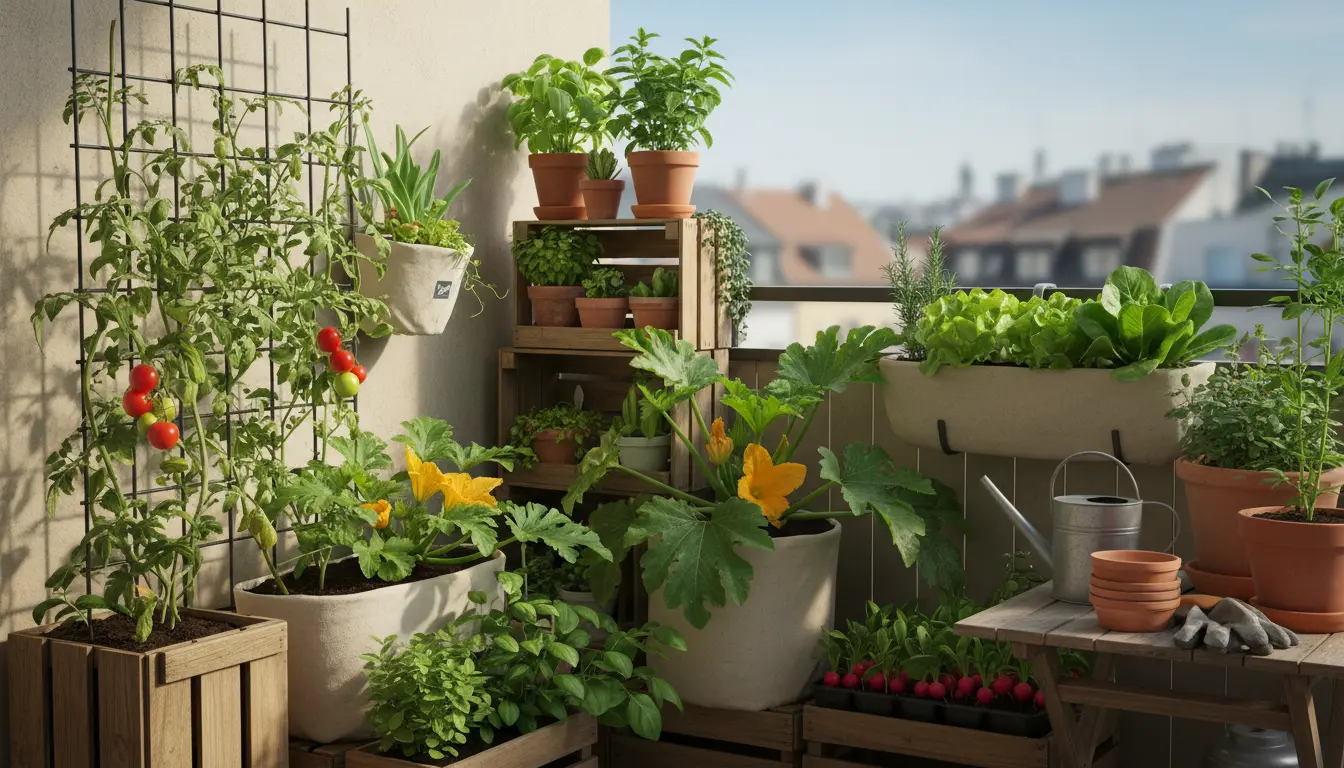
Starting a small vegetable garden is a practical way to grow fresh food, save money, and enjoy time outdoors. This guide gives clear steps you can follow whether you have a backyard, patio, or balcony.
Why Start a Small Vegetable Garden
A small vegetable garden fits limited spaces and reduces upkeep compared with large plots. It focuses on high-yield, easy-care crops so you see success quickly and build confidence.
Benefits of a Small Vegetable Garden
- Fresh produce year-round or seasonally with succession planting.
- Lower water and fertilizer use compared with larger gardens.
- Easy to manage pests and diseases because of scale.
Planning Your Small Vegetable Garden
Good planning sets you up for success. Decide on space, the amount of produce you want, and how much time you can spend each week.
Choose the Right Location for a Small Vegetable Garden
Most vegetables need at least 6 hours of direct sun daily. Pick a site that gets consistent light and is near a water source. If full sun is limited, select shade-tolerant greens and herbs.
Design a Simple Layout for a Small Vegetable Garden
Keep paths narrow and beds compact to maximize planting area. For container gardens, group pots by watering needs to simplify care. Raised beds are ideal for small yards since they improve drainage and soil depth.
- Raised bed example: 4 x 8 feet for mixed vegetables.
- Container cluster: 3–5 pots of varying depths for roots and leaves.
Selecting Plants for a Small Vegetable Garden
Choose crops that produce a lot in little space and match your climate. Start with fast growers and space-savers to get quick harvests and free up room for replanting.
Best Picks for a Small Vegetable Garden
- Leafy greens: lettuce, spinach, and arugula—fast and harvestable multiple times.
- Compact tomatoes: patio or determinate varieties for containers.
- Herbs: basil, cilantro, and chives—high yield from small pots.
- Root crops: radishes and baby carrots for shallow beds.
For succession planting, sow a new row or pot every 2–3 weeks to maintain continuous harvests. Use vertical supports like trellises for vining crops to save ground space.
Soil, Containers, and Tools for a Small Vegetable Garden
Healthy soil is the most important factor. For beds and containers, use a mix that balances drainage and nutrient retention. Compost is the single best amendment for small gardens.
Soil and Compost Tips for a Small Vegetable Garden
Mix 60% good topsoil or garden mix with 40% compost for raised beds. In containers, use a high-quality potting mix with added compost. Avoid heavy native soil in pots because it compacts and drains poorly.
- Essential tools: hand trowel, pruning shears, watering can or hose with a gentle nozzle.
- Optional: soil pH tester, small fork, and a good pair of gloves.
Planting, Watering, and Maintenance for a Small Vegetable Garden
Establish a simple routine to keep plants healthy. Short, consistent care sessions are more effective than long, infrequent ones.
Basic Care Schedule for a Small Vegetable Garden
- Daily: Quick check for pests and wilting during hot months.
- Weekly: Water deeply once or twice depending on weather and container size.
- Monthly: Add a light feeding of balanced organic fertilizer or compost tea.
- Seasonal: Rotate crops in beds and refresh container soil annually.
Mulch beds and container surfaces to reduce evaporation and suppress weeds. Prune overloaded plants to improve air circulation and focus energy on fruit production.
Planting marigolds near vegetables can help deter some common pests naturally. Companion planting can reduce the need for chemical controls and support beneficial insects.
Small Case Study: Balcony Tomato and Lettuce Garden
In a six-week trial, an urban gardener used two 12-inch containers and one 4 x 12 inch trough on a sunny balcony. She planted one determinate tomato, three lettuce heads, and basil.
Results: The tomato produced a steady set of fruit over eight weeks, while lettuce was harvested leaf-by-leaf twice before replanting. Grouping plants by water needs reduced over-watering and saved time.
Key takeaways: Choose compact varieties, use well-draining soil, and stagger planting to maintain continuous harvests.
Common Problems and Simple Fixes for a Small Vegetable Garden
Pests, lack of water, and nutrient deficiencies are the most common issues. Early detection and small, targeted actions solve most problems quickly.
- Pests: Handpick larger insects and use insecticidal soap for aphids.
- Wilting: Check soil moisture and adjust watering depth or frequency.
- Poor growth: Add compost or a balanced organic fertilizer and check sunlight levels.
Quick Checklist Before You Start Your Small Vegetable Garden
- Assess sunlight and choose a site or containers.
- Pick 3–6 easy crops that fit your space and diet.
- Prepare soil mix or buy quality potting mix and compost.
- Create a simple watering and maintenance schedule.
- Start small and expand as you gain experience.
With basic planning and consistent care, a small vegetable garden can provide fresh food and gardening satisfaction with modest time and space. Begin with a few reliable plants and adjust based on what grows best in your conditions.