
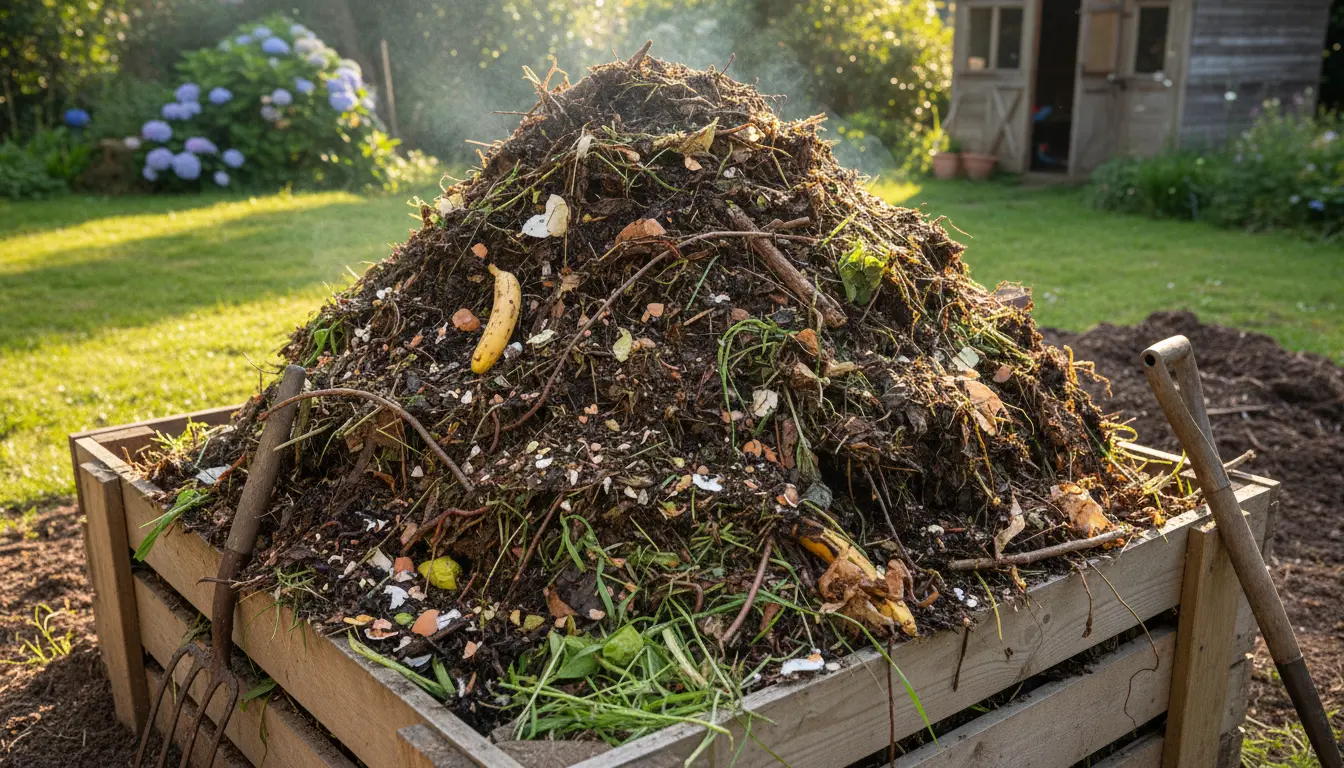
Home Composting Basics
Home composting turns kitchen scraps and yard waste into a useful soil amendment. It reduces landfill trash and improves soil structure and fertility.
This guide explains simple, actionable steps to start composting at home. Use these methods whether you have a backyard, balcony, or limited indoor space.
What is home composting?
Home composting is a biological process where microbes break down organic materials. The result is humus-like compost that feeds plants and improves soil.
Composting requires the right balance of carbon, nitrogen, air, and moisture. You can manage these factors with basic tools and routine checks.
How to Start Home Composting
Begin with a simple plan and a suitable container. Choose a method that fits your space and lifestyle.
Choose a composting method
- Backyard bin: A good option for yards. Use a tumbling bin or a static bin with a lid.
- Bokashi: Fermentation method suited to apartments. It handles meat and dairy after fermentation when added to soil.
- Worm composting (vermicompost): Compact and suitable for small spaces. Red worms process food scraps into nutrient-rich castings.
Set up your compost bin
Pick a level spot with partial shade for backyard bins. Place the bin on soil to allow worms and microbes to access it.
For indoor or balcony composting, use a sealed worm bin or Bokashi bucket to control odors and pests.
Start with the right ingredients
Balance “greens” and “browns” to keep decomposition steady. Greens provide nitrogen and browns supply carbon.
- Greens: fruit and vegetable scraps, coffee grounds, fresh grass clippings.
- Browns: dry leaves, shredded paper, straw, cardboard small pieces.
A simple rule is 2–3 parts browns to 1 part greens by volume. Adjust as needed based on moisture and smell.
Maintaining Your Home Compost
Maintenance is mostly about mixing and monitoring. Regular attention speeds up composting and prevents problems.
Air and moisture
Turn or aerate a backyard bin every 1–2 weeks to supply oxygen. For tumblers, rotate several times per week.
Keep the pile as damp as a wrung-out sponge. Add water during dry periods and more browns if it becomes soggy.
Temperature and time
Active compost can heat to 120–160°F (50–70°C) in large piles. Small home piles may stay cooler and take longer.
Expect finished compost in 2–12 months depending on method, materials, and maintenance.
Troubleshooting Common Problems in Home Composting
Problems are usually easy to fix with a small change in balance or routine. Diagnose using smell, appearance, and activity.
Bad smells
Foul, rotten odors mean too much green or too little air. Turn the pile and add dry browns like shredded paper or leaves.
Pests and fruit flies
To reduce pests cover fresh food scraps with browns or soil and use a closed bin. For fruit flies, keep a tight lid and avoid leaving exposed fruit pieces.
Slow decomposition
Slow breakdown often indicates too much brown material or cold temperatures. Chop materials smaller and keep the pile moist and warm.
Composting can divert up to 30% of household waste from landfills. Finished compost can improve soil water retention by up to 20% in sandy soils.
Using Finished Home Compost
Finished compost smells earthy and is dark with no recognizable food pieces. Use it to enrich garden beds, topdress lawns, or mix into potting soil.
Apply compost at 1–3 inches for garden beds or mix 10–20% compost into potting mixes for containers.
Practical examples of finished compost use
- Vegetable beds: mix 2 inches of compost into the top 6–8 inches of soil each spring.
- Houseplants: blend one part compost with three parts potting mix for a nutrient boost.
- Lawn topdressing: spread a thin layer and rake to incorporate; do this in spring or fall.
Small Real-World Case Study
Case study: Sarah, a two-person household in an apartment, started a worm bin on her balcony. She added food scraps daily and shredded cardboard weekly.
After six months she harvested 15 liters of worm castings. Her balcony herb pots grew noticeably better, and her weekly trash volume dropped by 40%.
Quick Checklist to Start Home Composting
- Choose a method: backyard bin, worm box, or Bokashi.
- Gather materials: greens, browns, basic container, and a tool for turning.
- Monitor moisture and aerate regularly.
- Use finished compost to improve soil and reduce fertilizer needs.
Home composting is practical, affordable, and scalable. Start small, observe how the system responds, and adjust inputs to fit your space and schedule.