
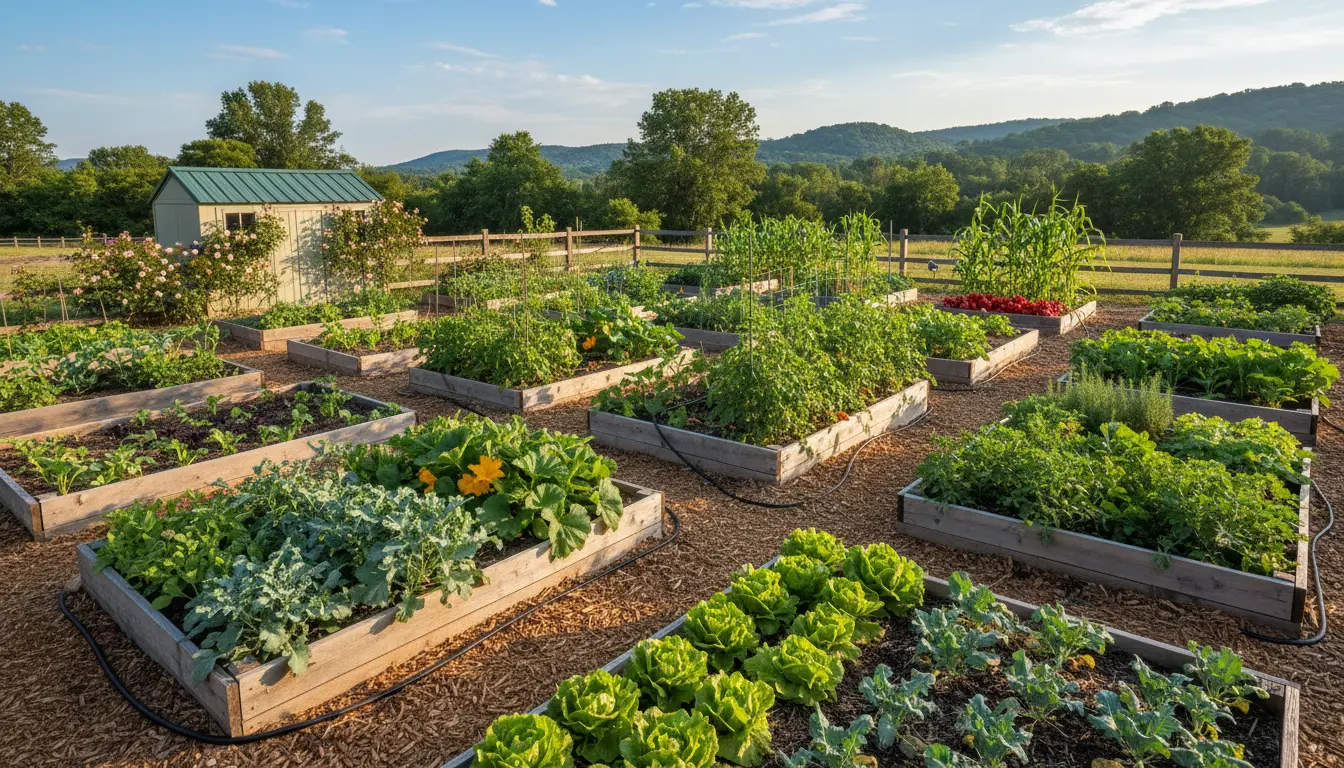
Starting a vegetable garden is a rewarding way to grow fresh food, save money, and spend time outdoors. This guide gives practical steps you can follow, whether you have a backyard, balcony, or small patio. Read on for site selection, soil preparation, planting, and maintenance tips to get your garden producing.
How to Start a Vegetable Garden: Choose the Right Location
Choosing the right site is the first step when you start a vegetable garden. Most vegetables need 6–8 hours of direct sunlight every day, so pick a sunny spot when possible.
Consider access to water, flat ground for easier planting and maintenance, and protection from strong winds. If you lack a yard, balconies and windowsills can work with containers or raised beds.
Sun, Shade, and Space for Your Vegetable Garden
Observe sunlight patterns for a few days. Note morning vs. afternoon sun and any shade from trees or buildings.
- Full sun: best for tomatoes, peppers, cucumbers.
- Partial shade: leafy greens, herbs, and some root vegetables perform well.
- Small spaces: use vertical supports, containers, or compact varieties.
Plan What to Grow in Your Vegetable Garden
Plan plants based on climate, season, and your eating habits. Start with a few easy crops to build confidence and avoid overwhelming yourself.
Choose high-yield, low-maintenance vegetables for first-time gardeners, such as lettuce, radishes, beans, zucchini, and cherry tomatoes.
Make a Simple Planting Plan
Sketch a small layout: where each crop will go and how much space each needs. Group plants with similar water and sun needs together to simplify care.
- List vegetables you use most in meals.
- Research their spacing and days to harvest.
- Arrange taller crops to the north so they don’t shade shorter ones.
Soil Preparation When You Start a Vegetable Garden
Good soil is the foundation of a productive vegetable garden. Most vegetables prefer loose, well-drained soil rich in organic matter.
Test soil if possible, or at least improve it with compost and organic matter before planting.
Improve Soil with Compost and Amendments
Mix 2–4 inches of compost into the top 6–8 inches of soil. If your soil is heavy clay, add coarse sand and organic matter to improve drainage. For sandy soil, increasing organic matter helps retain moisture.
- Compost: improves structure and nutrients.
- Mulch: keeps soil moist and reduces weeds.
- pH: most vegetables prefer slightly acidic to neutral (pH 6.0–7.0).
Planting and Spacing Tips to Start a Vegetable Garden
Follow seed packet or plant tag instructions for depth and spacing. Overcrowding reduces airflow and increases disease risk.
Use succession planting for continuous harvests—plant a new row of lettuce every 2–3 weeks, for example.
Direct Sow vs. Start Indoors
Some crops are best sown directly outdoors (radishes, beans, carrots), while others benefit from an early indoor start (tomatoes, peppers, eggplants).
When transplanting seedlings, harden them off by exposing them gradually to outdoor conditions for a week.
Watering and Feeding Your Vegetable Garden
Consistent watering is critical, especially during germination and fruiting. Aim for deep, infrequent watering rather than light, frequent sprinkling.
Use a soaker hose or drip irrigation to deliver water to the root zone and reduce foliage wetness.
Fertilizer Basics for Vegetable Gardens
Apply a balanced organic fertilizer or use compost tea during the growing season. Follow label directions to avoid overfeeding, which can harm plants.
- Nitrogen: supports leafy growth (leafy greens).
- Phosphorus: supports roots and flowering (root crops, fruits).
- Potassium: supports overall plant health and disease resistance.
Routine Care and Common Problems
Do quick checks several times per week to remove weeds, check for pests, and monitor soil moisture. Early detection makes control easier.
Use physical controls first—hand pick pests, use row covers, and practice crop rotation each season to reduce disease buildup.
Signs of Trouble and Quick Fixes
- Yellow leaves: check watering and nutrient levels.
- Slowed growth: inspect for compacted soil or root problems.
- Holes in leaves: look for caterpillars or beetles and remove them manually.
Small Case Study: A Beginner Backyard Garden
Case study: Sarah converted a 10×12 foot sunny patch into raised beds. She amended soil with 6 cubic feet of compost per bed and planted tomatoes, beans, lettuce, and basil.
In her first season she harvested weekly salads and eight tomato plants produced enough for fresh eating and one batch of tomato sauce. Regular watering and mulching reduced weeds and saved time.
Many common vegetables, including lettuce and radishes, can mature in 30 days or less, making them excellent choices for quick rewards and learning how a garden works.
Final Tips to Start a Vegetable Garden Successfully
Start small, keep a simple plan, and learn one season at a time. Gardening is a skill developed through observation and practice.
Keep notes on planting dates, varieties, and harvest yields to improve year to year. Enjoy the process and the fresh food you grow.
Ready to start a vegetable garden? Begin with site selection and a small planting plan, then prepare your soil and choose a few easy crops. Small, consistent steps yield the best results.