
Getting Started with Home Composting for Beginners
Home composting converts kitchen scraps and yard waste into rich soil. It reduces trash, lowers greenhouse gas emissions, and improves garden health.
This guide explains practical steps and common choices for home composting for beginners. You can start with minimal tools and space.
Basic Principles of Home Composting for Beginners
Compost relies on a balance of ‘greens’ (nitrogen-rich) and ‘browns’ (carbon-rich). Microbes break these materials down into humus.
Maintain moisture, airflow, and the right particle size to keep decomposition efficient and odor-free.
What to Add: Greens and Browns
Use a mix to keep decomposition steady. Too many greens cause smell; too many browns slow the process.
- Greens: vegetable scraps, coffee grounds, fresh grass clippings.
- Browns: dry leaves, shredded paper, straw, wood chips.
How to Layer and Turn
Build your pile in layers of greens and browns. Aim for 3 parts browns to 1 part greens by volume for home piles.
Turn the pile every 1–2 weeks to add oxygen and speed up breakdown. Use a pitchfork or a compost tumbler for easier turning.
Choosing a Method for Home Composting for Beginners
Pick a method that matches your space, time, and odor tolerance. Each method is suitable for beginners with slight differences.
Backyard Pile or Bin
A simple open pile or enclosed bin works well if you have a yard. Bins look neater and retain heat better.
Pros: Low cost, scalable. Cons: May require occasional turning and space.
Compost Tumbler
Tumblers simplify turning and speed composting. They are good for small yards or patios.
Pros: Easier turning, faster results. Cons: Can be expensive and hold limited volume.
Bokashi and Vermicomposting
Bokashi ferments food waste in an airtight bucket, then the material is buried or added to a compost pile. Vermicomposting uses worms to break down food in a bin.
Pros: Great for apartments, low odor. Cons: Require specific maintenance and care.
Practical Steps to Start Home Composting for Beginners
- Choose a container or spot for your compost. Consider access and drainage.
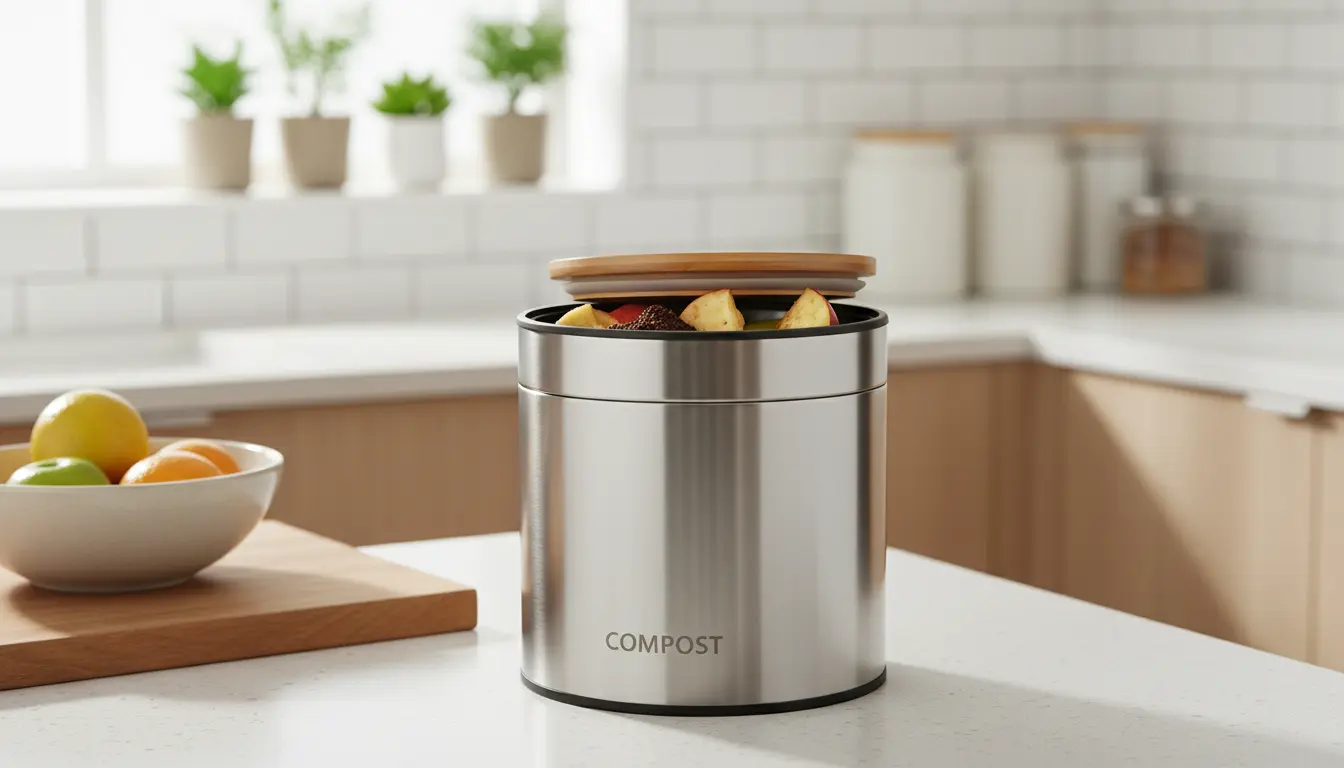
- Collect kitchen scraps in a small counter bin. Empty into your compost daily.
- Layer browns and greens. Chop larger materials to speed decomposition.
- Monitor moisture. The pile should feel like a wrung-out sponge.
- Turn regularly. Check temperature—active piles are warm in the center.
- Harvest finished compost in 3–12 months depending on method and care.
Tips for Troubleshooting
If it smells, add more browns and turn the pile. If it’s dry, add water and greens. If pests appear, use a closed bin and avoid adding meat or oily foods.
Patience matters. Small adjustments keep the pile healthy without complex testing.
Common Mistakes to Avoid for Home Composting for Beginners
- Adding meat, dairy, or oily foods to open piles—these attract pests.
- Ignoring balance—too much of one material slows the process.
- Overwatering—compost should be moist but not soggy.
Composting at home can reduce household waste by up to 30 percent and returns nutrients directly to your garden soil.
Real-World Example: Small Home Compost Case Study
Case: A family of four in a suburban house started a 200-liter bin in their backyard. They collected kitchen scraps in a counter caddy and added dry leaves from their yard.
Within six months they had usable compost. They used it to enrich vegetable beds and saw improved soil structure and healthier plants in the following season.
Key actions that helped: regular turning every 2 weeks, maintaining moisture, and balancing greens with shredded newspaper as extra browns.
Using Finished Compost
Finished compost is dark, crumbly, and earthy-smelling. Use it as a soil amendment, top dressing, or to make potting mixes.
Apply a 1–2 inch layer to flower beds or mix one part compost to two parts garden soil for planting holes.
Final Checklist for Home Composting for Beginners
- Choose a method that fits your space and schedule.
- Collect scraps daily and balance greens and browns.
- Monitor moisture and turn regularly.
- Keep out prohibited items like meat and dairy in open systems.
- Harvest and use finished compost to improve soil.
Home composting for beginners is practical and scalable. Start small, learn from your pile, and adjust as you go. Over time you’ll reduce waste and build healthy soil for your plants.