
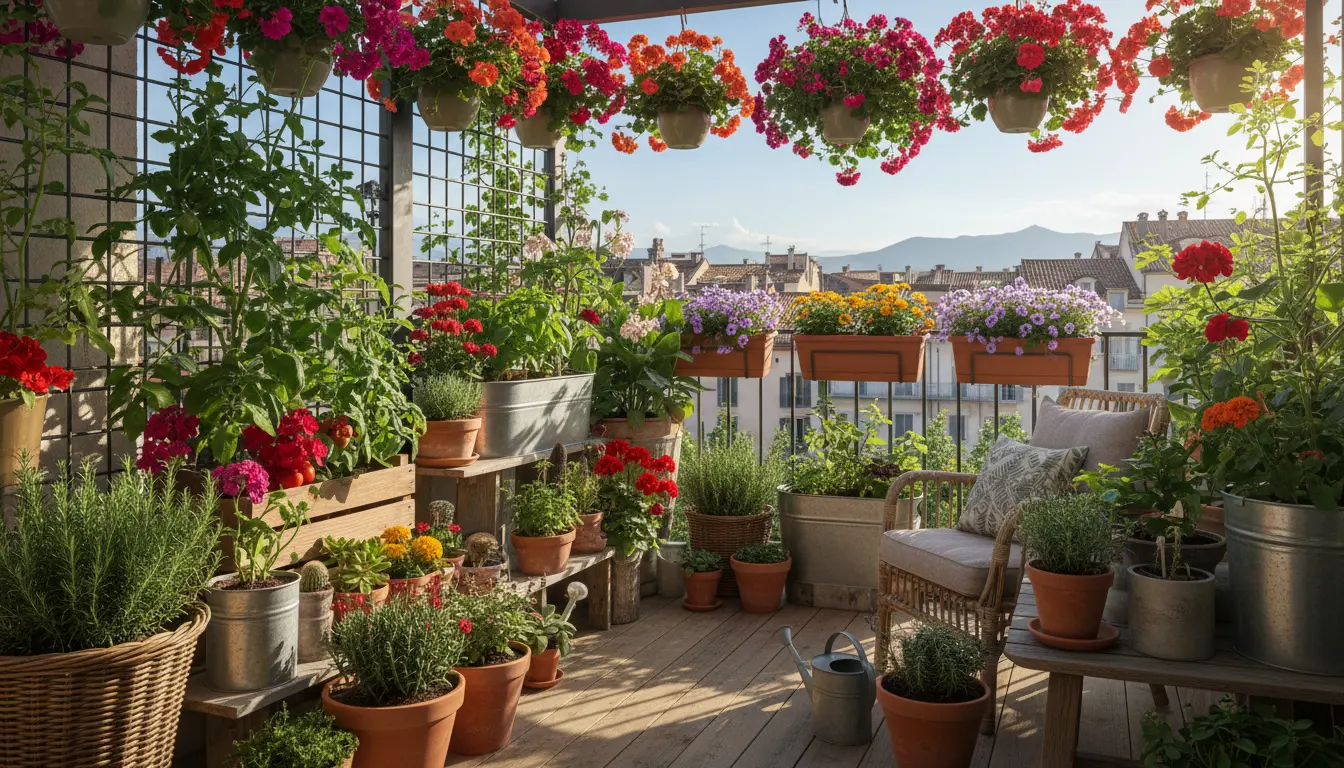
Why Choose Container Vegetable Gardening
Container vegetable gardening is ideal for people with limited space, poor soil, or a desire for portable beds. It lets you grow fresh produce on balconies, patios, and small yards.
This guide gives clear, practical steps so you can set up productive containers with minimal effort.
Container Vegetable Gardening Basics
Start by selecting the right container, soil, and location. Containers must provide enough room for roots and have drainage holes to prevent waterlogging.
Use quality potting mix rather than garden soil. Potting mixes are lighter and drain better, which reduces root disease and stress.
Choosing Containers for Container Vegetable Gardening
Select containers that suit the vegetables you want to grow. Common choices include plastic pots, terracotta, fiber pots, and grow bags.
- Small herbs and lettuce: 6–8 inch pots
- Tomatoes and peppers: 12–20 inch pots or larger
- Root crops like carrots and beets: deep containers 12 inches or more
Soil and Fertilizer in Container Vegetable Gardening
Use a well-draining potting mix with compost. Add a slow-release fertilizer at planting and supplement with liquid feed every 2–4 weeks during the season.
A balanced NPK formula (for example 5-5-5) works for mixed vegetables, while high-phosphorus mixes help fruiting crops set flowers and fruit.
Plant Selection and Spacing
Choose varieties suited to containers and your climate. Look for compact, patio, bush, or dwarf varieties labeled for containers.
Follow spacing recommendations on seed packets but adjust slightly closer in containers to maximize space without crowding.
Best Vegetables for Container Vegetable Gardening
- Leafy greens: spinach, lettuce, kale
- Herbs: basil, parsley, chives
- Fruiting: cherry tomatoes, peppers, dwarf eggplants
- Root crops: baby carrots, radishes, small beets
Watering and Drainage Strategies
Container plants usually need more frequent watering than in-ground plants. Check soil moisture daily during hot weather.
Use the finger test: insert a finger 1–2 inches into the soil; water when the top layer feels dry. Avoid overwatering by ensuring free drainage.
Irrigation Options
- Manual watering with a watering can for small setups
- Soaker hoses or drip systems for larger container arrays
- Self-watering containers with a reservoir to reduce daily care
Light, Placement, and Microclimates
Most vegetables need 6–8 hours of direct sunlight. Place containers where they receive adequate light and air circulation.
Use mobile containers to move plants to shade during heat waves or to sunny spots in early spring and fall.
Managing Heat and Wind
In hot climates, provide afternoon shade for sensitive crops like lettuce. In windy locations, place containers near a wall or use windbreaks to prevent damage.
Pest and Disease Management in Container Vegetable Gardening
Container-grown plants are less prone to some soil-borne diseases but can still attract pests like aphids, slugs, and whiteflies.
Use these practices to reduce problems:
- Inspect plants regularly for pests and remove affected leaves
- Encourage beneficial insects with companion plants and flowers
- Rotate crops seasonally to reduce disease buildup
Seasonal Care and Harvesting Tips
Feed containers regularly with a balanced liquid fertilizer to replace nutrients lost through frequent watering.
Harvest leaf greens often to encourage new growth. Pick ripe fruiting vegetables promptly to promote further production.
Case Study: Balcony Success With Cherry Tomatoes
Maria, a city apartment dweller, grew cherry tomatoes in two 15-inch plastic pots on a sunny balcony. She used a commercial potting mix amended with compost.
Maria watered every other day and applied liquid fertilizer every three weeks. By midsummer she harvested 20–30 tomatoes per plant and replaced one crop with lettuce for a fall harvest.
Key outcomes: proper pot size, consistent watering, and regular feeding produced continuous harvests in a small space.
Many tomato and pepper varieties bred for containers are labeled patio or compact. These often yield as much as full-size types when grown in the right pot size and conditions.
Quick Checklist for New Container Vegetable Gardening
- Choose the right container size for the crop
- Use quality potting mix and add compost
- Place containers where they meet light requirements
- Water consistently and provide good drainage
- Feed with regular liquid or slow-release fertilizer
- Monitor pests and rotate crops seasonally
Final Tips for Container Vegetable Gardening
Start small and expand as you gain experience. Track which varieties and techniques work best for your microclimate.
With the right containers, soil, and care, you can enjoy fresh vegetables even with limited outdoor space.