
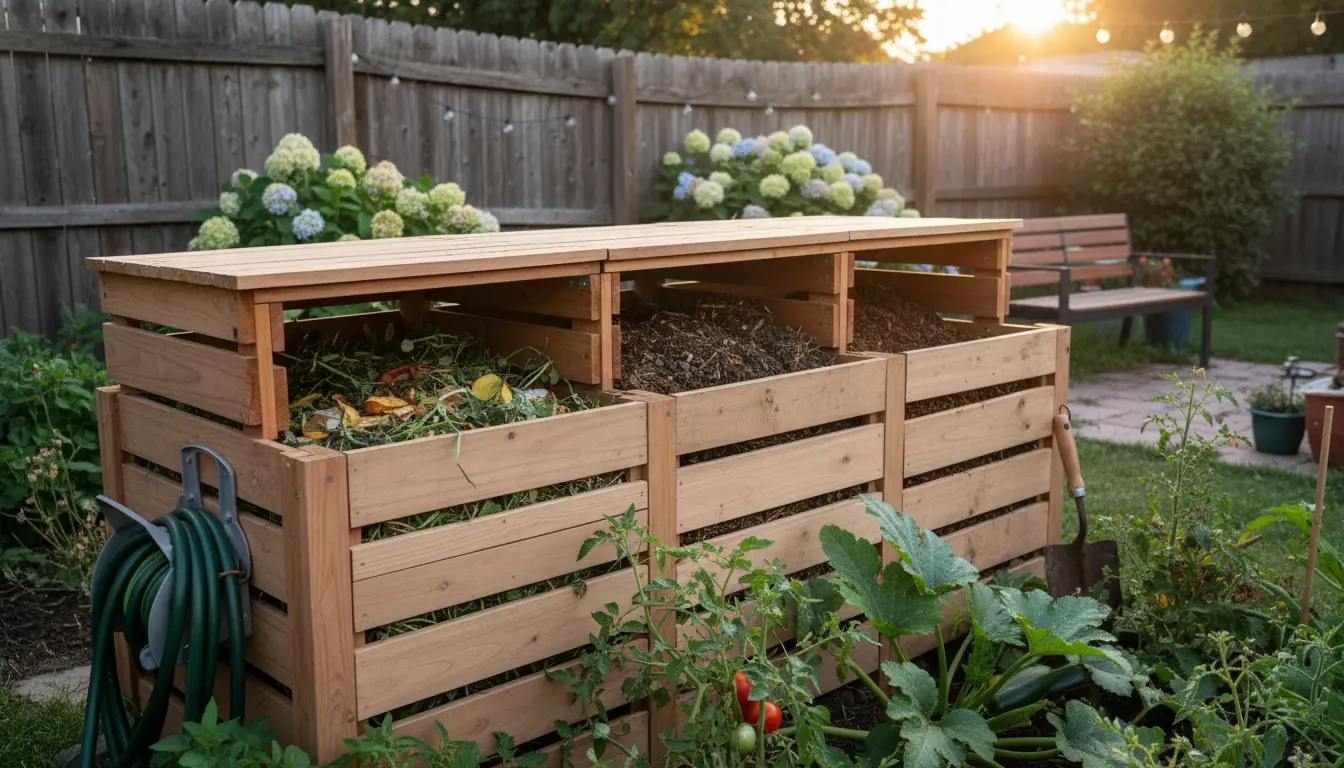
Home Composting Basics
Home composting turns kitchen scraps and yard waste into nutrient-rich soil. It reduces landfill waste and improves garden health.
This guide walks you through choosing a bin, selecting materials, maintaining the pile, and solving common problems. Follow practical steps to get started quickly.
How to Start Home Composting
Begin by picking a location for your compost bin. Choose a spot with good drainage, partial shade, and easy access to kitchen waste.
Decide on a bin type based on space and effort. Options work for apartments and yards alike.
Choosing a Compost Bin for Home Composting
Consider these common bin types and who they suit best:
- Static bin: Low maintenance, good for yards and beginners.
- Tumbling bin: Faster mixing, easier turning, good for small yards.
- Vermicompost bin: Uses worms, ideal for apartments and smaller kitchens.
- Open heap: Free and flexible, best if you have space and want a low-cost option.
What Materials to Add to Home Composting
Successful composting depends on a balance of carbon and nitrogen. Collect both types for steady decomposition.
- Carbon (browns): Dry leaves, straw, shredded paper, cardboard.
- Nitrogen (greens): Vegetable scraps, coffee grounds, fresh grass clippings.
- Avoid: Meat, dairy, oily foods, diseased plant material, and pet waste.
Step-by-Step: Maintaining a Home Compost Bin
Follow simple routines to keep the compost active and healthy. Check the pile weekly during warm months.
Key actions include layering materials, managing moisture, and turning the pile when needed.
Layering and Aeration
Start with a layer of coarse material for airflow. Alternate greens and browns to maintain balance.
Turning the pile every 2–4 weeks speeds up decomposition and prevents odor. Tumblers make this easier.
Moisture and Temperature Management
Compost should feel like a wrung-out sponge: moist but not soggy. Add water during dry spells and add dry browns if too wet.
Temperature indicates activity. A hot pile (130–150°F or 55–65°C) breaks down materials quickly. Cooler piles still work but take longer.
Troubleshooting Common Home Composting Problems
Identifying problems early keeps compost healthy. Most issues come from imbalance or poor aeration.
- Bad smell: Add more browns and turn the pile to add oxygen.
- Slow breakdown: Chop materials smaller, increase green materials, or raise temperature.
- Pests: Avoid meats and fats, use a closed bin, or add a fine mesh barrier.
Speeding Up Home Composting
If you want compost faster, use these proven techniques. They are easy and rely on basic physics and biology.
- Increase surface area: Shred or chop scraps to speed breakdown.
- Maintain heat: Insulate the bin or add more material to retain warmth.
- Turn regularly: Adds oxygen and distributes microbes.
- Add activators: Finished compost, garden soil, or compost starter introduce beneficial microbes.
Using Finished Compost
Compost is ready when it looks dark, crumbly, and smells earthy. It should not have recognizable food pieces.
Use finished compost as a soil amendment, top dressing for lawns, or potting mix ingredient. It improves structure, water retention, and nutrient content.
Small Real-World Case Study
Case Study: Laura is a city renter who started vermicomposting in a 10-gallon bin. She collected vegetable scraps for six months and added shredded newspaper as browns.
Outcome: After three months she harvested rich worm castings and reduced kitchen waste by 60%. Adding castings to potted herbs improved growth and reduced watering needs.
Quick Checklist for Home Composting Success
- Pick the right bin for your space and lifestyle.
- Balance greens and browns in roughly 1:2 ratios by volume.
- Keep compost moist and aerated; turn it regularly.
- Monitor for pests and odors; adjust materials as needed.
- Be patient—composting times vary with method and climate.
Final Practical Tips for Home Composting
Start small and expand as you get comfortable. Even a small countertop caddy for scraps and a backyard bin make a noticeable impact.
Track what you add for a few weeks to learn patterns that cause problems. Adjusting one variable at a time—moisture, size, or material mix—helps you learn faster.
Home composting is a low-cost, high-impact way to reduce waste and build soil health. With basic care and a little attention, most households can produce useful compost within a few months.