
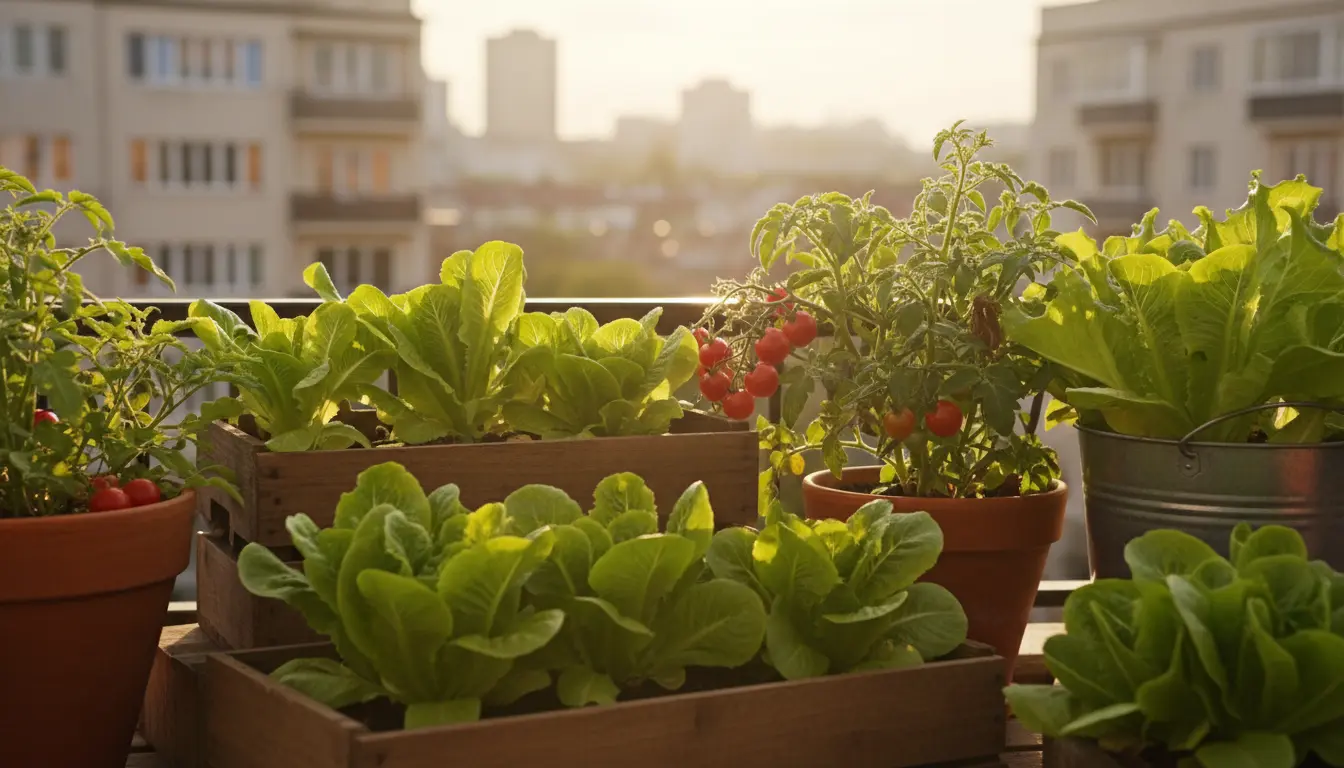
Why Start a Home Vegetable Garden
Starting a home vegetable garden saves money, improves food quality, and gives you control over growing methods. It also offers regular physical activity and reduces grocery trips.
This guide shows practical steps to plan, plant, and maintain a productive home vegetable garden, whether you have a backyard bed or balcony containers.
Plan Your Home Vegetable Garden
Good results start with simple planning. Decide location, space, and the amount of time you can commit each week.
- Location: pick a spot with at least 6 hours of sunlight for most vegetables.
- Space: use raised beds, in-ground rows, or containers depending on area.
- Time: expect 2–4 hours weekly during the growing season for watering, weeding, and harvesting.
Assess Soil or Choose Containers
Test your soil pH with a kit or assume neutral and plan amendments. If you have poor soil, containers or raised beds filled with quality mix are easier and faster.
For containers, choose mixes with compost, peat or coconut coir, and perlite for drainage.
Choose Vegetables for a Home Vegetable Garden
Select crops that match your climate, season length, and cooking habits. Beginners should start with fast, forgiving plants.
- Easy starters: lettuce, radishes, cherry tomatoes, bush beans, and herbs like basil or parsley.
- High reward: tomatoes, peppers, cucumbers, and salad greens.
- Consider succession planting: sow every 2–3 weeks for continuous harvest.
Companion Planting Basics
Pair plants that benefit each other. For example, basil near tomatoes can improve flavor and deter pests. Avoid planting heavy feeders next to delicate roots.
Prepare and Plant
Prepare soil by removing weeds and adding organic matter. Aim for a loose, crumbly texture to support roots and drainage.
Follow seed packet or transplant spacing to avoid overcrowding. Water immediately after planting to settle soil around roots.
Planting Schedule
Follow local frost dates. Start cool-season crops (peas, spinach) before the last frost and warm-season crops (tomatoes, peppers) after the risk of frost passes.
Watering and Fertilizing Your Home Vegetable Garden
Consistent watering matters more than frequent shallow watering. Aim to keep the root zone evenly moist.
- Deep water 1–2 times per week depending on weather and soil.
- Use mulch to reduce evaporation and keep weeds down.
- Fertilize according to plant needs: balanced fertilizer for leafy growth, higher phosphorus for fruits when flowering begins.
Small Irrigation Options
Use soaker hoses, drip irrigation, or self-watering containers for efficiency. Timers help maintain consistent schedules, especially for busy households.
Common Pests and Simple Controls
Expect insects and disease, but many problems are manageable with early detection and simple actions.
- Inspect plants weekly for holes, yellowing, or sticky residue.
- Handpick larger pests like caterpillars.
- Use row covers to protect seedlings and encourage pollination once flowers appear.
- Rotate crops yearly to reduce soil-borne diseases.
Harvesting and Storage
Harvest regularly to encourage more production. Pick leafy greens early in the morning for best flavor and crispness.
Store harvest in cool conditions or process quickly: blanch and freeze excess vegetables or preserve with simple pickling methods.
Case Study: Balcony Tomato and Lettuce Setup
Maria, an apartment resident, used two 20-inch containers and one 4×2-foot raised trough to grow cherry tomatoes and mixed salad greens. She followed a simple plan:
- Container mix: compost, coconut coir, and perlite.
- Sun: east-facing balcony with 6 hours sunlight.
- Water: drip emitter twice weekly and hand-water during heatwaves.
By midsummer she harvested a steady supply of salad greens and 25–30 pints of cherry tomatoes. The compact setup required about three hours per week for watering, staking, and light pruning.
Maintenance Checklist for a Home Vegetable Garden
- Weekly: water, inspect for pests, harvest ripe produce.
- Monthly: add compost or balanced fertilizer, prune as needed.
- Seasonal: rotate crops, clean beds, and prepare soil for the next planting.
Quick Tips to Succeed
- Start small: focus on a few high-yield crops you will actually eat.
- Keep records: date planting, varieties, and yield to improve next season.
- Learn from neighbors or local extension services for region-specific advice.
With basic planning, the right plants, and consistent care, you can quickly establish a productive home vegetable garden. Begin with easy crops, use containers if space is limited, and build your skills season by season.