
Why Start a Vegetable Garden at Home
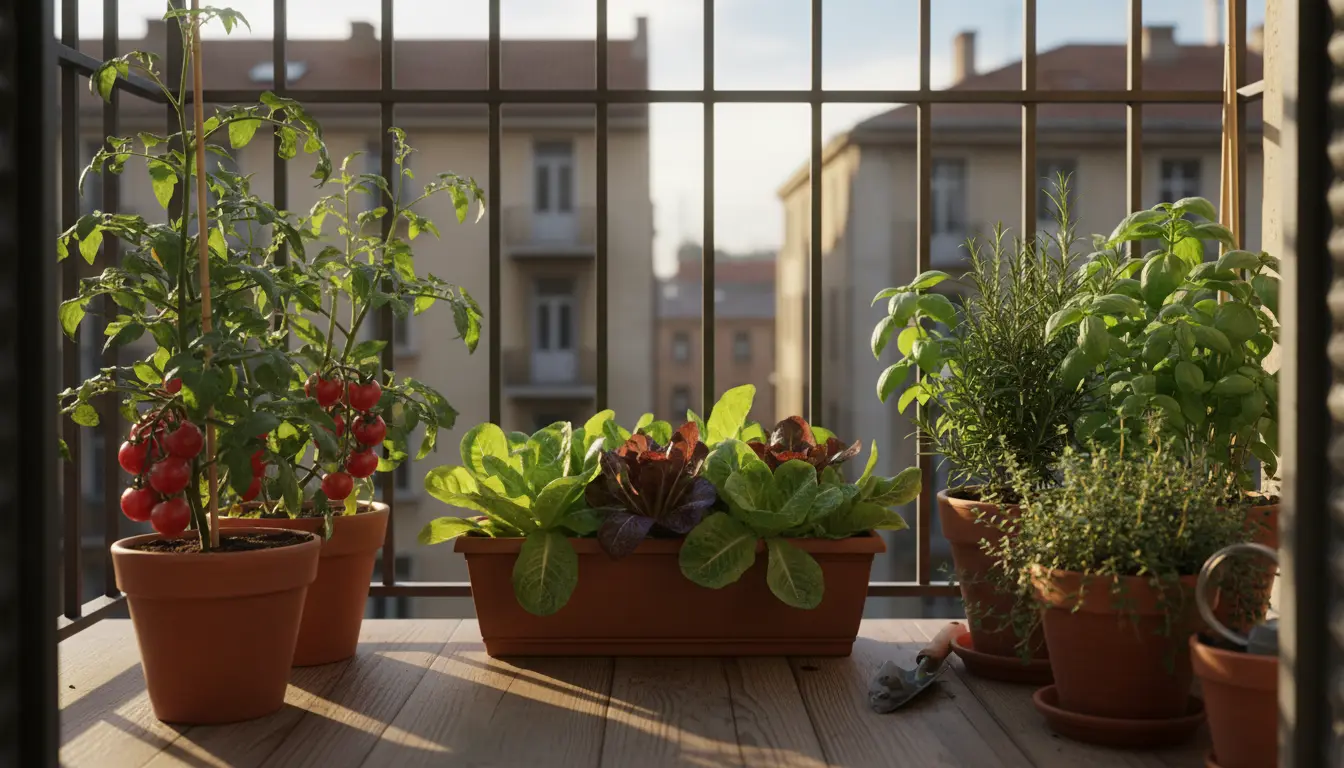
Growing your own vegetables saves money, improves food quality, and gives you more control over what you eat. A home vegetable garden can fit in a backyard, balcony, or even containers on a patio.
This guide explains clear steps to plan, plant, and maintain a productive garden with practical tips for beginners.
Plan Your Vegetable Garden
Planning before you dig reduces wasted time and effort. Start by choosing the right spot and deciding what to grow.
Choose the Right Location for a Home Vegetable Garden
Vegetable plants usually need at least six hours of direct sunlight daily. Look for a sunny, level area with good drainage.
If you only have shade, select vegetables that tolerate less sun like leafy greens, herbs, and root crops.
Decide What to Grow
Pick vegetables you and your family will actually eat. Beginners should start with easy, high-reward plants.
- Tomatoes and peppers for warm-weather crops
- Leafy greens like lettuce and spinach for quick harvests
- Herbs such as basil and parsley for flavor and low maintenance
- Root vegetables like carrots and radishes for small spaces
Prepare Soil and Containers
Good soil is the foundation of a successful vegetable garden. Whether in-ground or in containers, soil must drain yet hold nutrients.
Test and Improve Garden Soil
Test soil pH with a kit or local extension service. Most vegetables prefer pH 6.0 to 7.0. Add lime to raise pH or sulfur to lower it if needed.
Mix in organic matter such as compost or well-rotted manure to improve structure and fertility.
Using Containers and Raised Beds
Containers should be large enough for root systems and have drainage holes. Use a quality potting mix rather than garden soil for containers.
Raised beds warm faster in spring and drain well. Fill them with a mix of topsoil and compost for best results.
Planting Basics for a Vegetable Garden
Planting times vary by region and crop. Check seed packets or plant labels for recommended planting dates.
Seeds vs. Seedlings
Start with seeds for low-cost crops like beans, carrots, and lettuces. Buy seedlings for plants that need a longer season, such as tomatoes and peppers.
When transplanting seedlings, handle roots gently and plant at the same depth they grew in their pots to avoid stress.
Spacing and Companion Planting
Respect spacing recommendations to avoid overcrowding and disease. Companion planting can increase yields and reduce pests—plant basil near tomatoes or beans near corn.
Watering, Feeding, and Maintenance
Consistent care keeps your vegetable garden productive. Focus on regular watering, feeding, and monitoring for pests.
Watering Tips for a Home Vegetable Garden
Water deeply and less often to encourage strong roots. Early morning watering limits evaporation and fungal problems.
Mulch around plants to retain moisture and suppress weeds.
Fertilizing and Soil Health
Apply a balanced fertilizer per package instructions or use compost tea for a gentle nutrient boost. Avoid overfertilizing, which can reduce fruiting.
Rotate crops yearly to prevent nutrient depletion and reduce disease buildup.
Common Pests and Simple Controls
Pests can be managed with prevention, monitoring, and quick action. Start with the least toxic methods.
- Handpick larger pests like slugs and caterpillars
- Use row covers to protect seedlings from insects
- Encourage beneficial insects such as ladybugs for aphid control
- Apply organic sprays as a last resort and follow label directions
Harvesting and Storage
Harvest vegetables at peak ripeness for best flavor. Some crops like beans and zucchini produce continuously and should be picked often.
Store root vegetables in cool, dark places and refrigerate greens to extend shelf life.
Many common kitchen herbs, such as basil and rosemary, can double as natural pest repellents when planted alongside vegetables.
Real-World Example: Small Balcony Vegetable Garden Case Study
Maria, an apartment dweller, started a balcony vegetable garden in a series of 5-gallon containers. She chose cherry tomatoes, basil, lettuce, and radishes to match her sunny east-facing balcony.
She used a high-quality potting mix with added compost, watered deeply twice a week, and used a tomato cage for support. By mid-summer she harvested regular salads and had extra cherry tomatoes to share.
Key success factors in her case were correct container size, consistent watering, and choosing compact varieties suited to containers.
Quick Checklist to Start a Vegetable Garden
- Choose a sunny location or suitable containers
- Test and amend the soil or buy potting mix
- Select easy-to-grow vegetables you enjoy
- Follow planting times and spacing guidelines
- Water consistently and mulch to conserve moisture
- Monitor for pests and rotate crops annually
Final Tips for a Successful Home Vegetable Garden
Start small and expand as you gain confidence. Regular, simple care often beats complicated routines.
Keep notes on what varieties worked, planting dates, and yields to improve each season. With patience and practice, a home vegetable garden can supply fresh produce and satisfaction.