
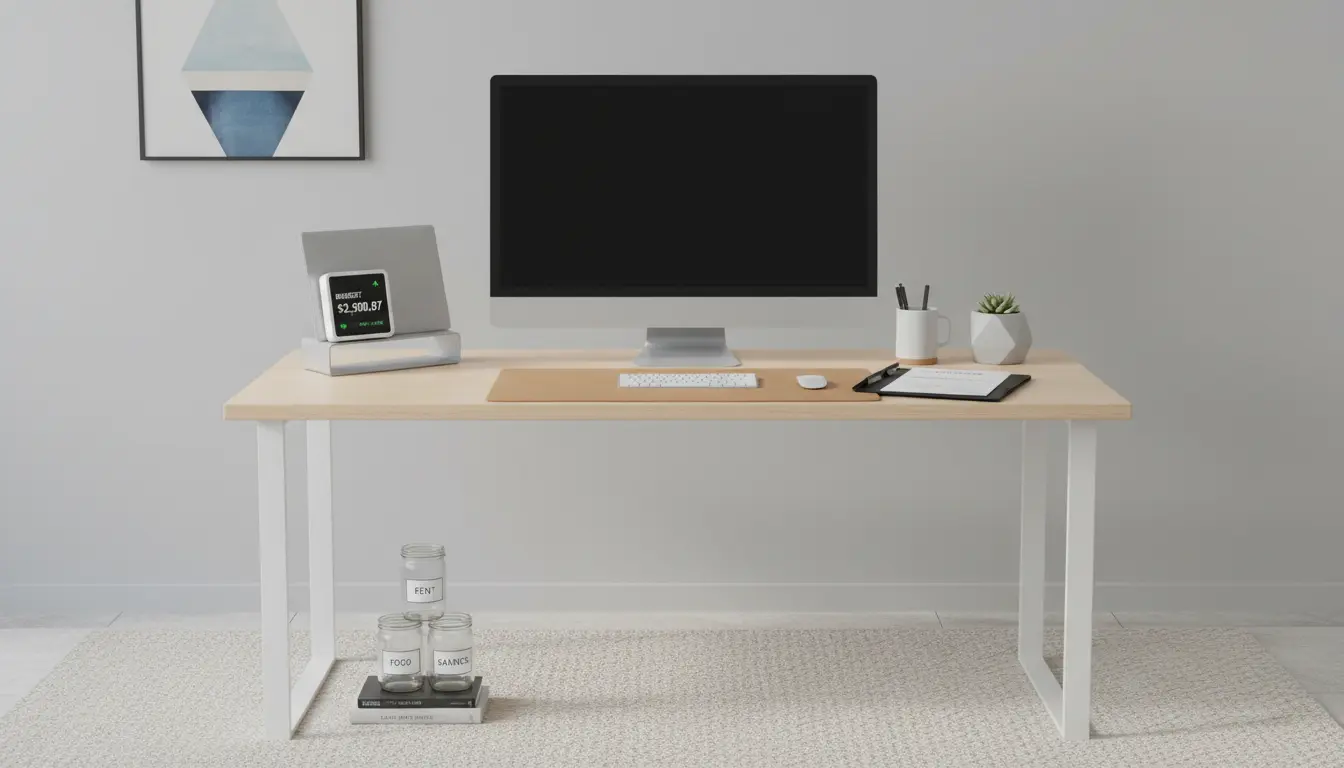
Starting a personal budget can feel overwhelming, but a clear, simple plan makes it manageable. This guide explains personal budgeting for beginners with step-by-step instructions you can apply today.
What is Personal Budgeting and Why It Matters
Personal budgeting is a plan for how you will use your income. It helps you cover necessary expenses, save for goals, and reduce financial stress.
For beginners, a budget is not about limiting life—it is about making choices that match priorities and avoid surprises.
First Steps in Personal Budgeting for Beginners
Follow these initial steps to create a basic, effective budget.
1. Calculate Your Net Income
Gather pay stubs, freelance invoices, or other income records. Use your take-home pay (after taxes and deductions) as the base number for your budget.
2. Track Your Spending
Record every expense for 30 days. Use a spreadsheet, a budgeting app, or a simple notebook. Include recurring bills and small purchases like coffee and transit fares.
3. List Fixed and Variable Expenses
Sort expenses into two groups:
- Fixed expenses: rent or mortgage, insurance, subscriptions.
- Variable expenses: groceries, entertainment, fuel.
Simple Budget Methods for Beginners
Choose a budgeting method that fits your lifestyle. Beginners benefit from clear, easy-to-follow rules.
50/30/20 Rule
This method divides net income into needs, wants, and savings.
- 50% Needs: housing, utilities, groceries, transportation.
- 30% Wants: dining out, hobbies, nonessential shopping.
- 20% Savings and Debt Repayment: emergency fund, retirement, extra loan payments.
Zero-Based Budget
Assign every dollar a job until income minus expenses equals zero. This method increases awareness of where money goes each month.
Envelope System (Digital Version)
Divide money into categories (envelopes) for variable spending. Use separate bank accounts, apps, or labeled cash envelopes to control spending.
How to Set Realistic Financial Goals
Goals give your budget direction. Use short-term and long-term targets.
- Short-term: build a $1,000 emergency buffer, pay off one small credit card.
- Long-term: save for a home down payment, plan for retirement.
Set SMART goals: Specific, Measurable, Achievable, Relevant, Time-bound.
Practical Tips to Stick to Your Budget
Small changes add up. Use these tactics to keep your budget working.
- Automate savings and bill payments to avoid missed transfers and late fees.
- Review and adjust your budget monthly to reflect income changes or one-off expenses.
- Limit impulse buys by implementing a 24-hour rule for nonessential purchases.
- Use cash or a separate debit card for discretionary spending to avoid overspending.
Tools and Apps for Personal Budgeting
Beginner-friendly tools reduce manual work and improve accuracy.
- Spreadsheets: Google Sheets or Excel templates for custom budgets.
- Budget apps: Simple, Mint, YNAB (You Need A Budget) for automation and tracking.
- Bank features: many banks let you create savings buckets or automatic transfers.
Common Budgeting Mistakes and How to Avoid Them
New budgeters often make avoidable errors. Watch for these pitfalls.
- Underestimating variable costs—track small purchases to get real numbers.
- Failing to plan for irregular expenses—create an annual calendar for items like car maintenance and insurance.
- Using credit to patch budget shortfalls—focus on adjusting spending or income instead.
Small Real-World Case Study
Case: Maria, a graphic designer with $3,200 monthly net income, used a simple budget to stop living paycheck to paycheck.
Steps Maria followed:
- Tracked spending for one month and found $400 in avoidable dining out.
- Switched to a 50/30/20 plan, allocating $1,600 to needs, $960 to wants, and $640 to savings and debt.
- Automated $300 into a savings account and cut dining out by half. Within six months she built a $2,000 emergency fund and paid an extra $200 toward credit card debt.
Result: Maria gained control of cash flow, reduced stress, and started saving for a short vacation without relying on credit.
How to Adjust Your Budget Over Time
Life changes—your budget should too. Revisit your plan every month and do a deeper review each quarter.
When income rises, divide increases between savings, debt repayment, and a modest rise in discretionary spending to avoid lifestyle inflation.
Final Steps to Start Today
Take action with a simple checklist:
- Record your net income.
- Track 30 days of expenses.
- Choose a budgeting method (50/30/20 or zero-based).
- Set one short-term and one long-term financial goal.
- Automate savings and review monthly.
Beginner personal budgeting does not require complex tools—consistency and honest tracking are the keys. Start small, adjust as needed, and celebrate steady progress.