
Why start a vegetable garden
Growing your own vegetables saves money and gives you fresher food. It also helps you control pesticides and improve diet quality.
This guide explains how to start a vegetable garden with clear, practical steps you can follow this season.
Choose the right location to start a vegetable garden
Sunny spots are best. Most vegetables need 6 to 8 hours of direct sunlight each day.
Pick a level area with good drainage and easy access to water. Avoid low spots that collect cold air or water.
Sunlight, water, and space placement
- Ensure 6–8 hours of sun for tomatoes, peppers, and squash.
- Leafy greens tolerate partial shade.
- Place beds within easy reach of a hose or rain barrel.
Plan your layout and what to plant
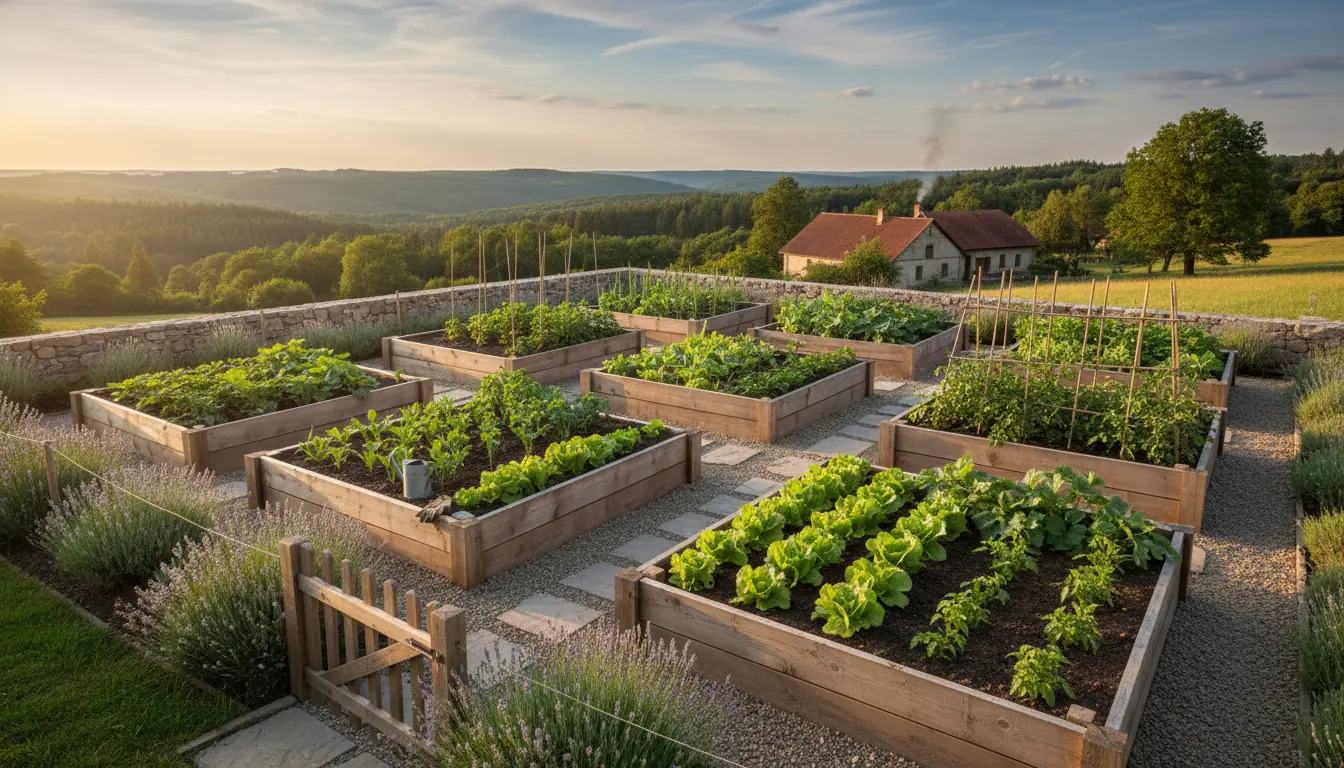
Start small. A 4×8 foot raised bed or a few containers is easier to manage than a large plot.
Choose vegetables suited to your climate and growing season. Beginner-friendly crops include lettuce, radishes, bush beans, and cherry tomatoes.
Companion planting and succession planting
Group plants by water needs and growth habits. Use tall plants to shade heat-sensitive crops when needed.
Plan succession planting to get continuous harvests: sow fast growers like radishes between slower crops.
Prepare soil and choose amendments
Good soil is the foundation of a productive garden. Test soil texture and pH if possible.
Most vegetable gardens do well with loose, well-draining soil rich in organic matter.
- Add compost to improve structure and nutrients.
- Use aged manure or balanced organic fertilizer if a soil test shows deficiencies.
- Mix in coarse sand or perlite for heavy clay; add peat or coconut coir for light sandy soils.
Planting: seed vs. seedlings
Decide whether to start from seed or buy seedlings. Seeds are cheaper but need more time and care early on.
Use seedlings for long-season crops like tomatoes or for faster results with peppers and eggplants.
Planting tips
- Follow seed packet depth and spacing recommendations.
- Water gently after planting to settle soil around roots.
- Mulch around plants to conserve moisture and suppress weeds.
Watering and routine care
Consistent watering is crucial. Vegetables generally need 1 to 1.5 inches of water per week.
Water at the base of plants early in the morning to reduce disease risk and evaporation loss.
Weeding, staking, and pruning
Keep weeds under control by hand weeding or shallow cultivation. Avoid deep digging near roots.
Stake tall plants like tomatoes and beans to prevent damage and promote air circulation.
Manage pests and diseases
Monitor plants weekly for signs of pests or disease. Early detection makes control easier.
Use integrated pest management: manual removal, row covers, beneficial insects, and targeted organic treatments.
- Remove damaged leaves promptly.
- Rotate crops annually to reduce disease build-up.
- Use neem oil or insecticidal soap for soft-bodied pests when needed.
Root vegetables like carrots and beets improve soil structure by breaking up compacted layers. Planting them regularly can help long-term soil health.
Harvesting and extending the season
Harvest vegetables at peak ripeness for best flavor. Pick regularly to encourage more production.
Use row covers, cold frames, or lightweight mulch to extend the season into cooler months.
Small case study: Backyard raised-bed success
Case: Maria, a suburban beginner, used one 4×8 raised bed her first season. She planted lettuce, cherry tomatoes, bush beans, and radishes.
With weekly compost and drip irrigation, she harvested fresh salad greens for four months and got a steady supply of tomatoes. Starting small let her learn without getting overwhelmed.
Quick checklist to start a vegetable garden
- Pick sunny location and measure space.
- Choose 3–6 beginner crops for first season.
- Amend soil with compost and test pH if possible.
- Decide seeds vs seedlings and follow planting dates.
- Set up consistent watering and mulch to retain moisture.
- Monitor weekly for pests and harvest regularly.
Common beginner mistakes and how to avoid them
Overplanting is common. Avoid crowding by following spacing recommendations.
Another mistake is irregular watering. Use a simple schedule or drip irrigation to maintain consistency.
Final tips to start a vegetable garden
Keep a small journal of planting dates and results. Notes help you refine timing and crop choices next season.
Start small, be patient, and treat each season as a learning step. Gardening improves with experience and observation.